
1. Overview of this Career Area (“why”)
FP & A
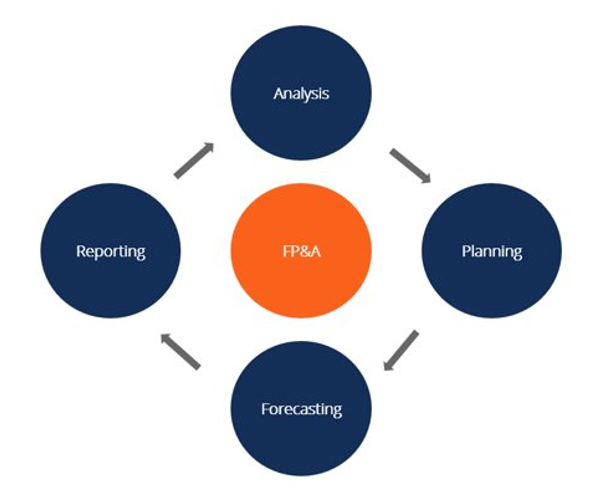
Financial Planning and Analysis (FP&A) teams play crucial company roles by performing budgeting, forecasting and analysis that support the major corporate decisions of the CFO, CEO and the board of directors. Very few, if any, companies can be consistently profitable and grow without careful financial planning and cash flow management. The job of managing a corporation’s cash flow typically falls to its FP&A team and its Chief Financial Officer (CFO).
Corporate financial planning and financial analyst professionals utilize both quantitative and qualitative analysis of all operational aspects of a company in order to evaluate the company’s progress toward achieving its goals, and to map out future goals and plans. FP&A analysts consider economic and business trends, review past company performance, and attempt to anticipate obstacles and potential problems, all with a view toward forecasting a company’s future financial results.
FP&A professionals oversee a broad array of financial affairs, including income, expenses, taxes, capital expenditures, investments and financial statements. Unlike accountants who are in charge of record-keeping, financial analysts are charged with examining, analyzing and evaluating the entirety of a corporation’s financial activities and mapping out the company’s financial future.
Skills for FA
Skills for financial analysts are individuals capable of handling and intelligently analyzing a mountain of different types of data and data evaluation metrics. Financial analysts are good problem solvers. They are able to decipher the various puzzle pieces that constitute a company’s finances, and envision putting the pieces together to formulate a variety of possible growth scenarios.
If you just don’t like math or working with spreadsheets like Excel, you may want to consider an alternate career path! However, if you’re a creative problem solver, with a natural or cultivated talent for financial analysis, modeling and forecasting, then becoming a corporate financial analyst may be the perfect career choice for you.
Corporate financial planning and analysis (FP&A) is a career choice that offers a wide variety of opportunities and higher-than-average compensation. With the proper skill set and a natural inclination for the work, you can carve out a very satisfying career for yourself as a corporate financial analyst.
Corporate FP&A plays a major role in supporting decisions made by a company’s CEO, CFO and the executive leadership team. As such, the opportunity to add value in FP&A is huge, and having a good team in place can lead to a huge potential boost in cash business planning, including budgeting, forecasting, cash flow optimization, return on investment analysis, capital structure and ultimately the value of the entire business.
Salary
FP&A Salary and career journey
It typically takes about three to five years to make the transition from a junior to a senior financial analyst. Along the way, you might have the opportunity to showcase your skills, getting assigned the title of manager—in charge of a specific financial project, such as changing the way the company does inventory reporting or overseeing a substantial capital expenditure project. See tentative salaries in the chart below: