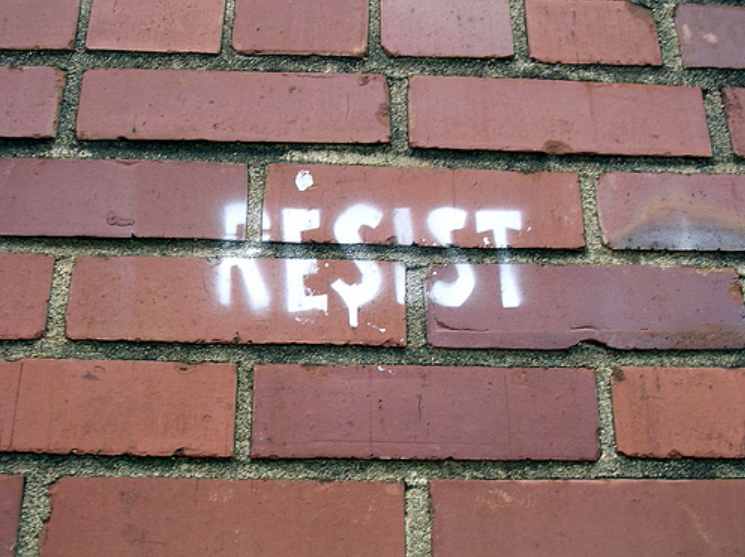
Throughout history, individuals facing oppression and injustice have often resisted with the only tool at their disposal: their words. Social movement slogans, mural art, song lyrics, censored books, political speeches, film scripts… are but a few examples of the ways in which the spoken and written word can be used in radically new ways to fight for greater equality and freedom. How can we critically approach these phenomena, and what valuable lessons can be learned from them?
We will draw from inspiring examples from different time periods around the globe: contemporary artists using social media and their music to denounce social injustices in their communities, transnational social movements in the digital era, current trends in mainstream cinema, political artivism, experimental literary works… All these case studies will illustrate how words can be an empowering weapon to change the world.
This course introduces students to the field of cultural studies, adopting an interdisciplinary approach that combines history, politics, and discourse analysis. Its main goal is to provide students with a deeper understanding of current world issues, as well as help them develop a strong set of communicative skills to become future agents of global change.
Andrés Porras Chaves
Born and raised in Madrid, Andrés Porras Chaves pursued his graduate education in Literature and Cultural Studies in the United States. He completed his MA at the University of Colorado at Boulder, and his PhD at the University of North Carolina at Chapel Hill. His research focuses on contemporary literature and film with a postcolonial and transatlantic approach. Dr. Porras Chaves’s most recent publications deal with issues of empire, memory, and identity in the Spanish-speaking world. After multiple years teaching at American universities, Dr. Porras Chaves joined IE in 2022 as a faculty member at the Arts & Humanities Division, where he teaches courses in the areas of cultural studies, research methodologies, writing skills, and languages.
