TECHNOHUMANISM: LANGUAGE, PHILOSOPHY AND CREATIVITY OF ARTIFICIAL INTELLIGENCE [TECHNOHUMANISM]

The profound revolution sparked by artificial intelligence (AI) extends beyond the realms of business and technology into social, philosophical, and ethical spheres. It promises to deeply transform the way we interact with the world, with each other, and with ourselves.
California: Histories of the Future at the Technological Frontier [Future]
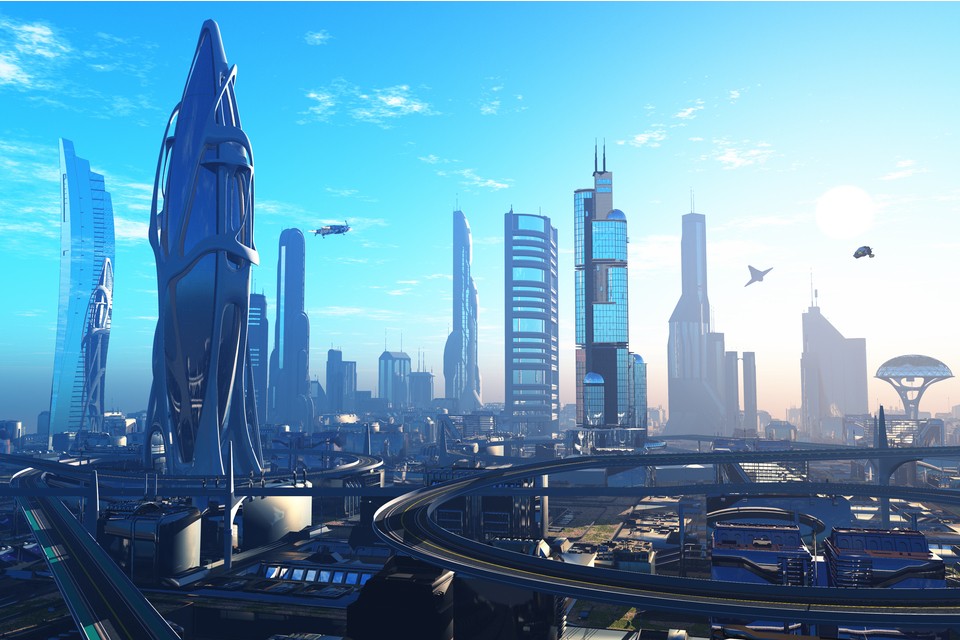
California has long epitomized the future in a global imagination. How did this association come to be? Historically a frontier of European westward expansion in settler colonialism, the US state is now one of the world’s largest economies.
Crossing Frontiers: The Dynamics of Borderland Cultures [FRONTIERS]
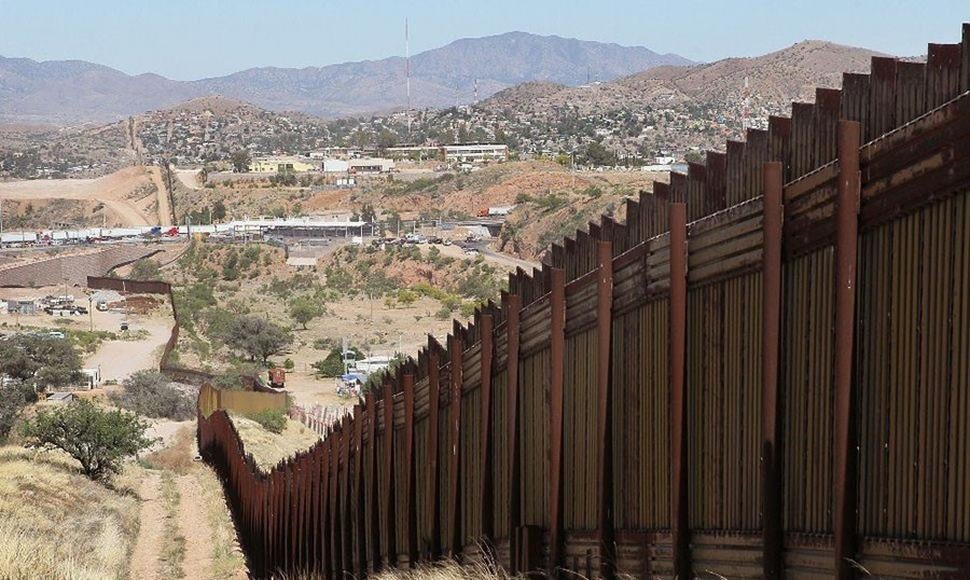
This course traverses the intricate cultural mosaics at the crossroads of national divides, from the bustling U.S.-Mexico border to the significant boundaries of Europe and Asia.
RUSSIA: PAST AND PRESENT [RUSSIA]
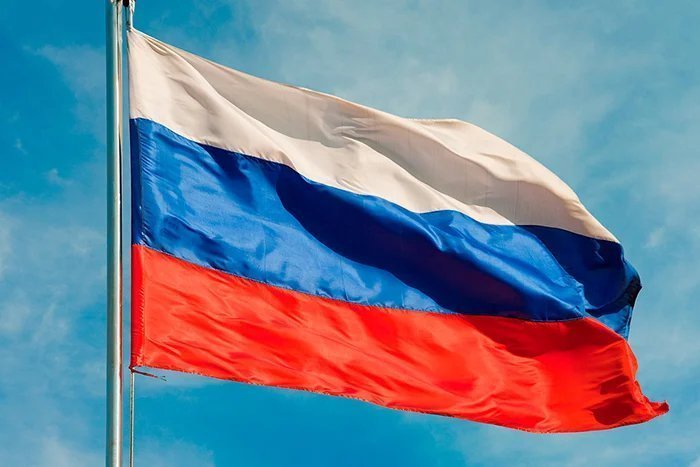
Understanding Russia might be difficult, but ignoring her is impossible. Not only because of recent dramatic events, but also because Western culture will be difficult to explain without Russian writers, musicians or artists.
REVOLUTIONS. THE POWER OF AN IDEA [REVOLUTIONS]
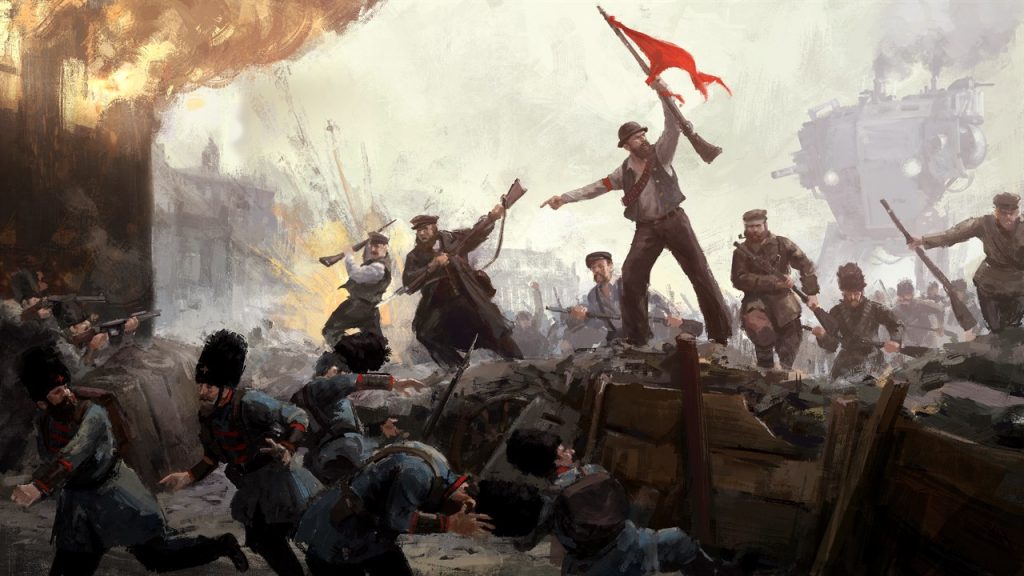
This course will examine the concept and development of revolutions and globalization. We will focus in costs of statu-quo, reformism and “change through revolutions”, including alternatives not taken. First we will have a general approach to the narratives and tools of revolutions.
EMPIRES AND THE RHETORIC OF POWER [EMPIRES]
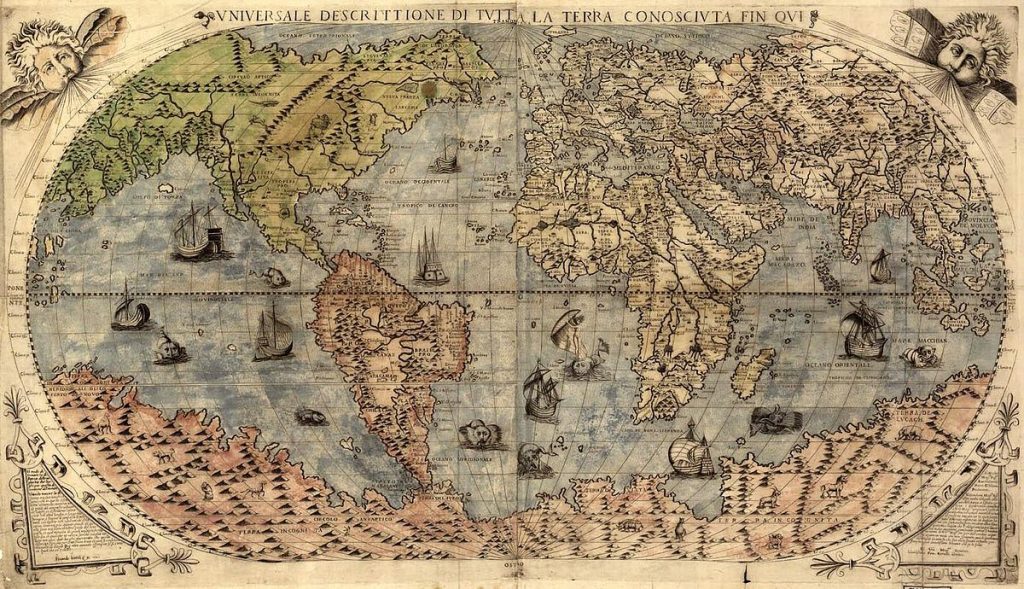
Some would argue that the key to a successful empire is simply a successful army. But after armies have conquered their key objectives, either by force or by pre-emptive strike, a whole process of justification of their actions before the conquered populations, as well as their own, usually ensues.
GLOBAL HISTORY FROM A NON-EUROCENTRIC PERSPECTIVE [HISTORY]
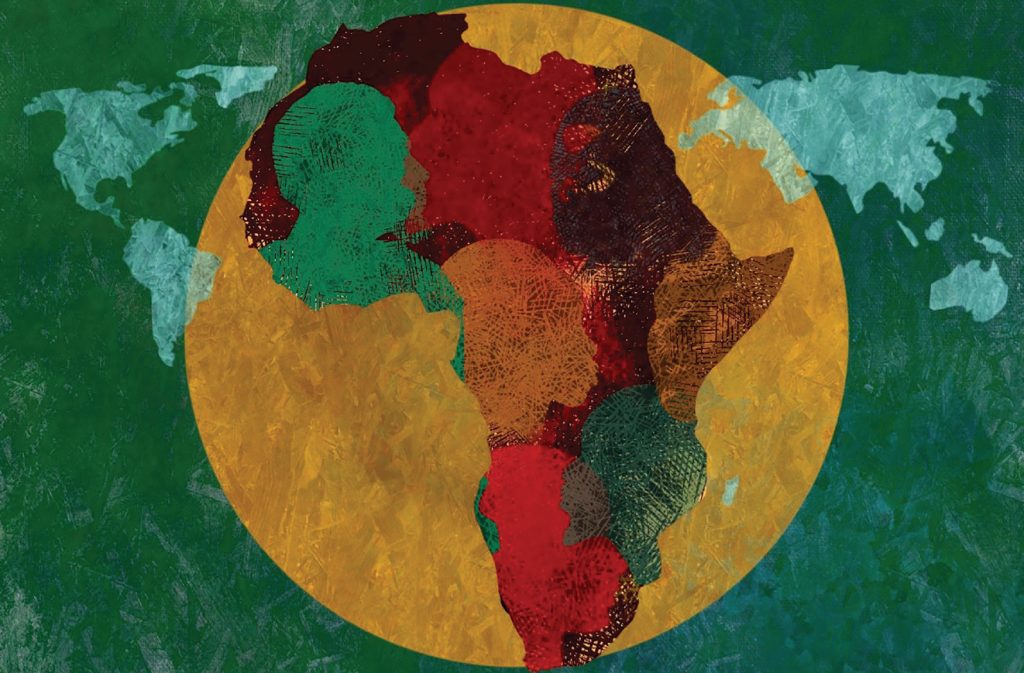
A journey through the history experiences, epistemologies, and knowledge systems of the peoples of Africa, Asia, the Americas, Australia and the Pacific, their diasporas and the global cultural, political and philosophical anti-colonial resistance that reveals testimonies of the past that question the hegemonic historiography.
ARTS AND POLITICS [ARTS]
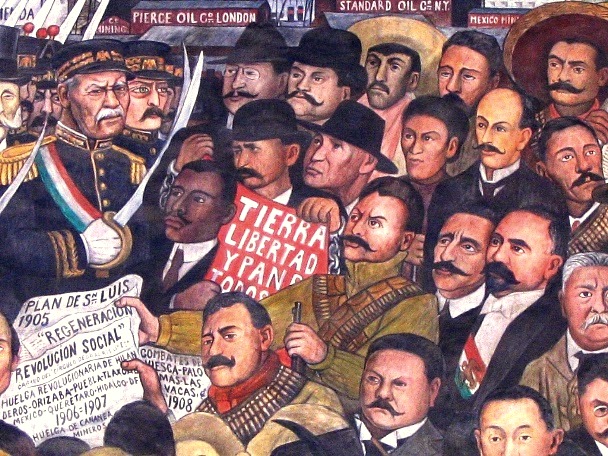
How is art related to politics? Where do they intersect? Can art drive political change? Since art is an essential part of society, it mirrors both socioeconomic and political realities, and possesses the remarkable ability to gather people around the common goal.
PHOTOGRAPHY, IDENTITY, DIFFERENCE [PHOTOGRAPHY]

Beginning with its invention in the 1830s and concluding with the use of digital media in the twenty first century, this seminar examines the history of photography as a visual and cultural practice.
THE CREATIVE MIND [CREATIVE]
What sets a creative mind apart, and how can we tap into our own potential for innovation? Is creativity primarily a product of an individual’s innate traits, or are there other factors in play? How do artists and thinkers channel their emotions into creative output, and what can we learn from their approaches?
HUMANISTIC SUSTAINABILITY: CREATIVE THINKING AND CULTURAL PRODUCTION FOR THE SDGS [SUSTAINABILITY]
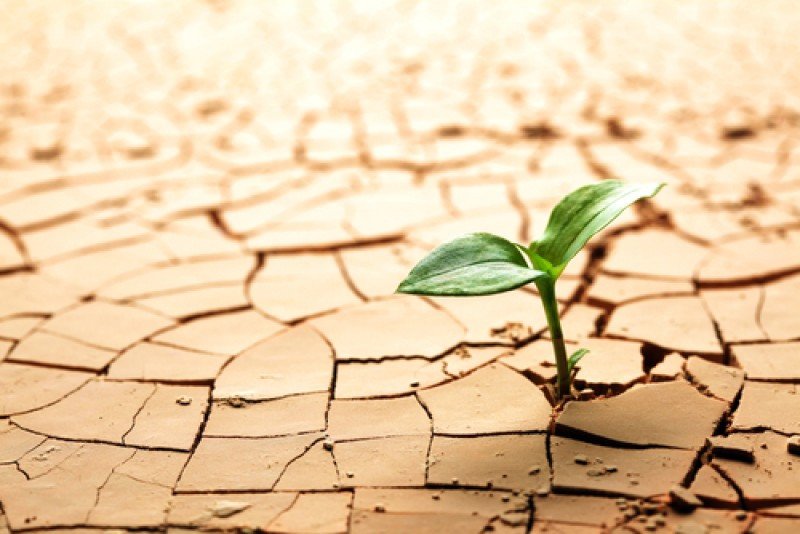
What do humanities have to do with sustainability? The answer is that creative thinking and cultural production can be strategic tools to achieve the Sustainable Development Goals.
ETHICS OF EMERGING TECHNOLOGIES [ETHICS]
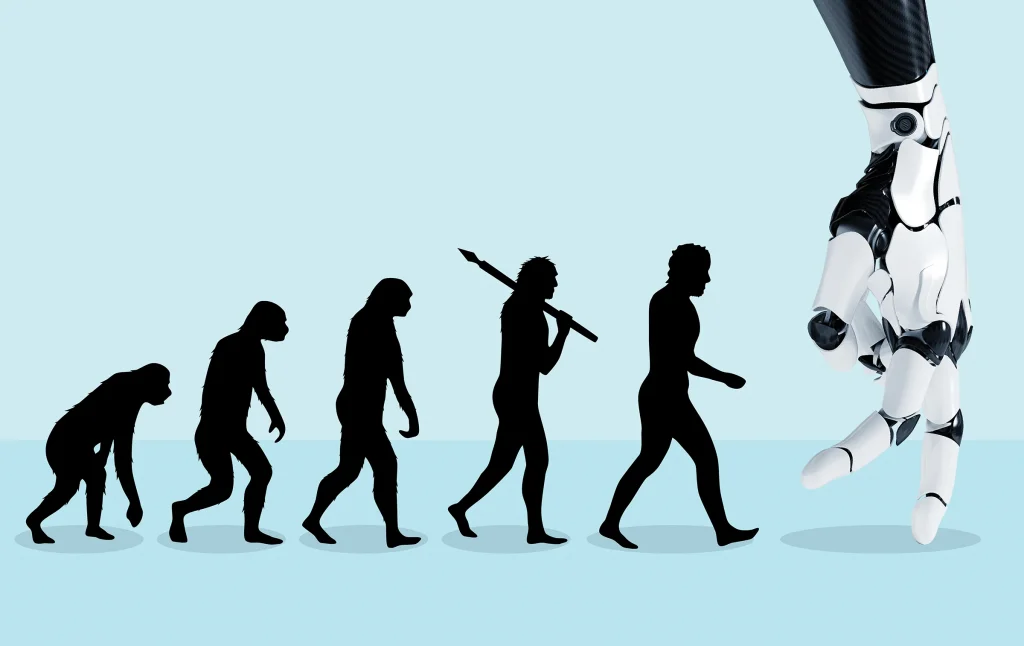
Artificial intelligence offers incredible potential for solving problems and making our lives better. Its many promises include accelerating scientific discovery, curing diseases, improving efficiency, and widening access to opportunities. But AI also raises numerous questions about the values it promotes and the risks it imposes.