AI in HR is a fantastic step forward. We know have software that screens applicants, drafts job ads, summarizes interviews, recommends learning content and helps managers write performance objectives.
Naturally, that reach creates a simple challenge for you: you need results without losing trust. So we’ve put together this guide to act as a practical map. Read on as we cover what AI in HR means; clear AI in HR examples; how Generative AI in HR works; and how to use Agentic AI in HR without breaking governance.
Let’s get into it.
What does AI in HR mean in practice?
AI in HR is the use of machine learning and generative models to support people decisions and people processes. That can include talent acquisition, onboarding, learning and development, workforce planning, performance management and HR service delivery.
The key point is scope. The highest-impact systems sit in the middle: they speed up work, but you keep human judgment where it matters most.
How to use AI in HR across the employee lifecycle
You get the most value when you treat AI as a workflow layer. Start with the work that is repetitive, text-heavy and rules-based. Then expand to work that needs pattern detection or personalization. Keep the final “people-impact” decisions under human oversight.
Common high-value use cases include:
1. Recruiting: job descriptions, candidate matching, interview guides, pipeline summaries
2. HR operations: policy Q&A, ticket routing, case summarization
3. Learning: role-to-skill mapping, personalized learning paths, manager visibility
4. Performance: SMART objective coaching, calibration support, goal alignment checks
5. Workforce planning: skills inventories, internal mobility recommendations
What are the most useful AI in HR examples right now?
Here are practical, realistic examples you can implement in your daily practice.
Talent acquisition support
Use AI in your business to standardize role requirements, create structured interview questions and summarize candidate evidence against a consistent rubric. This improves speed and documentation. It can also reduce “vibes-based” decisions, if your rubric is clear and you audit outcomes.
Learning and development personalization
Use AI to map roles to skills and recommend learning content based on current capability, target roles and performance signals. The win is not the content. It’s time-to-competence and internal mobility.
Performance management consistency
Use Generative AI to coach employees as they draft objectives, so goals follow the SMART framework and align with business priorities. Then route objectives for manager approval and store them in a single database for HR analytics.
What is Agentic AI in HR?
Agentic AI in HR must take actions inside a workflow.
That usually means the system can: (1) pull data from HR systems, (2) apply rules and reasoning, (3) generate an output, (4) trigger the next step, like sending an approval email or updating a record. You still design the guardrails.
How do you implement AI responsibly in HR?
If your AI use touches hiring, promotion, performance evaluation or workforce management, treat it as high-stakes. Under the EU AI Act, employment-related AI use cases can fall into the high-risk category and trigger stricter obligations.
A practical responsible implementation approach looks like this:
1) Define the decision boundary
Write down what AI can do and what only humans can do. Make it explicit. “AI drafts, humans decide” is a start, but you also need who approves, who audits and what happens when the system is wrong.
2) Control the data path
HR data spreads fast. Centralize inputs, limit tool access and set retention rules. CIPD emphasizes clear workplace AI policies and practical governance so employees know what is allowed.
3) Test for discrimination and drift
Bias shows up as different outcomes by group over time. Monitor selection rates, performance ratings and internal mobility recommendations. Re-test when models or prompts change.
4) Build an audit trail people can understand
Keep it traceable. Use versioning for prompts, keep logs of outputs and document what data sources were used.
Two widely used governance references you can lean on:
NIST AI Risk Management Framework (AI RMF 1.0): a lifecycle approach to mapping, measuring and managing AI risk.
ISO/IEC 42001: a management system standard for setting up an AI governance program inside an organization.
What should you expect from Generative AI in HR?
Generative AI is strongest when the “work product” is language. That includes drafting, summarizing, translating policy into plain English, creating structured templates and turning messy notes into consistent documentation. It can also help you reason through tradeoffs, if you feed it constraints and ask it to justify its outputs.
Where you should be careful: any use that looks like automated judgment about a person. Use it to support consistency and speed, then keep final evaluation with trained humans.
How IE Business School teaches Agentic AI in HR: examples from the classroom
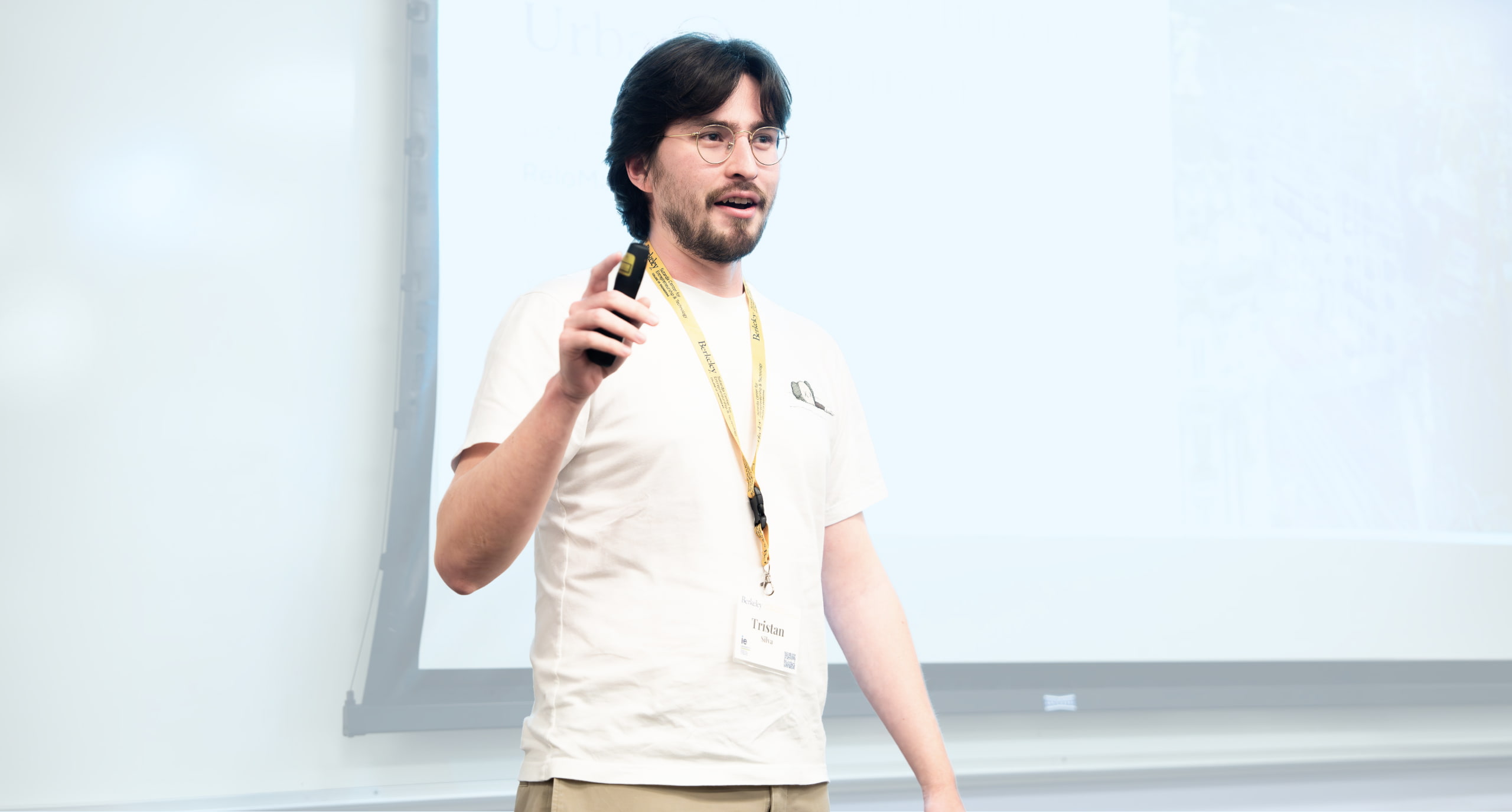
In a recent class on Agentic AI in HR at IE Business School, students of the Master in Talent Development & Human Resources focused on the part most HR transformations miss: workflow design.
Three prototypes stood out because they treated AI as a process redesign tool:
– A recruitment agent aimed at better matching between candidates and requirements, with a focus on reducing errors, reducing bias and improving retention.
– A learning and development agent built around role-to-skill mapping, personalized learning paths and manager visibility into progress.
– An objectives coach for performance management that uses Generative AI to help employees draft SMART goals, routes them to managers for approval and centralizes approved objectives in a shared database for HR follow-up.
Why study HR in a world shaped by AI?
We can now enjoy the benefits of enhanced human judgment and speedier work capacity – just so long as HR practitioners are well-versed in the theory. As students in the Master in Talent Development & Human Resources stated, the most effective AI systems are those that are built into real workflows, with humans firmly in the loop.
“Before the class, I was super intimidated with learning how AI works,” one student said. “This gave us the confidence to try it ourselves and see how it can change work even before we join the workforce.” Another student reflected on the broader learning: “This course taught me that AI is something we can build and apply. It’s less intimidating and now I see where data matters.”
Grounded in strategic HR principles, the program focuses on people management and cutting-edge technology.

If you choose to study with us, we’ll equip you to lead workplace transformation in a world shaped by data and AI. The 10-month, full-time program integrates real-world projects with industry partners, hands-on learning experiences and a curriculum that blends HR strategy, people analytics, and AI-ready capabilities – building both strategic insight and practical fluency with systems like Agentic AI in HR.
Think it could be for you? Follow the link below to get more information.
Benjamin is the editor of Uncover IE. His writing is featured in the LAMDA Verse and Prose Anthology Vol. 19, The Primer and Moonflake Press. Benjamin provided translation for “FalseStuff: La Muerte de las Musas”, winner of Best Theatre Show at the Max Awards 2024.
Benjamin was shortlisted for the Bristol Old Vic Open Sessions 2016 and the Alpine Fellowship Writing Prize 2023.