Top think tanks play a major role in shaping policy debates around the world. These organizations bring together experts from academia, government and the private sector to research global issues and influence decision-making.
If you’re interested in international relations, economics or public policy, working at a think tank can be a compelling career path. But what do these organizations actually do – and what does it take to build a career in one? To answer these questions, we’ve compiled insights from Miguel Otero-Iglesias, adjunct faculty at IE School of Global and Public Affairs and a senior analyst at the Elcano Royal Institute, on seven organizations you should follow and what it takes to work in one a think tank.
Why are think tanks important?
Think tanks serve as meeting points where academia, policy-makers and industry experts come together. According to Miguel, they are not only research centers but also spaces where ideas are generated and translated into formats that policymakers and the wider public can understand.
Today many think tanks produce podcasts, videos and social media content alongside traditional research publications, helping bring policy debates to a broader audience.
Their work also involves close contact with embassies and international institutions, as diplomats and policymakers often rely on think tanks for expertise and analysis. For this reason, journalists frequently turn to think tank researchers for insight into current global events.
Seven influential think tanks to follow
When discussing organizations shaping global policy debates, Miguel highlighted several think tanks whose work regularly influences international discussions.
CEPS
Founded in Brussels in 1983, CEPS is a leading European think tank that offers a forum for debate on EU affairs. It provides insights on and potential solutions for EU policy-making through research projects, publications, task forces and regular events.
CSIS
The Center for Strategic & International Studies (CSIS) is a bipartisan nonprofit engaged in policy research. Based in Washington, the organization’s purpose is to define the future of national security. It also has sections focusing onEurope and Russia.
MERICS
The Mercator Institute for China Studies (MERICS) is the largest European research institute focusing exclusively on the analysis of present-day China. Based in Berlin, with an office in Brussels, MERICS plays an active role in supplying top EU decision-makers with in-depth insights.
Bruegel
Based in Brussels, Bruegel is a European think tank on a mission to boost the quality of economic policy. The European Commission regularly draws on Bruegel’s research, which is especially strong in the area of technology.
Chatham House
London-based Chatham House is one of the oldest think tanks in the world and an established and trusted source of independent analysis, dialogue and influential ideas. It continues to provide expertise through events, publishing and a network of policy experts.
IAI
The Istituto Affari Internazionali (IAI) is a private, independent, nonprofit think tank based in Rome. It aims to raise awareness of international politics and work towards advancing European integration and multilateral cooperation.
ECFR
The European Council on Foreign Relations (ECFR) is a highly respected think tank that conducts groundbreaking independent research into European foreign and security policy. Miguel highlights the ECFR as particularly influential.
What skills are essential for think tank careers?
Miguel emphasizes the importance of writing. You can start with short pieces such as blog posts or LinkedIn articles, which allow you to demonstrate your knowledge and writing style to potential employers.

As you refine your style, ensure you’re writing to your target audience.
Read plenty of think tank work to get a good grasp of the current “hot topics” in foreign policy. You’ll need to be able to undertake rigorous research and check your sources thoroughly, as well as know how to triangulate sources and methodologies.
Networking is another vital skill: get to know people who already work at think tanks and forge relationships with those who may be valuable sources.
Miguel’s advice is to apply to all the think tanks you find interesting. It’s about “putting yourself out there and believing in your capacity to shape, determine and influence policy,” he says.
How to start a career at a think tank
For students interested in international relations think tank jobs, Miguel’s advice is to start developing relevant skills early. Publishing research, staying informed about policy debates and building a network within the field can help you gain visibility and experience. Internships and research assistant roles are also common entry points into policy research organizations.
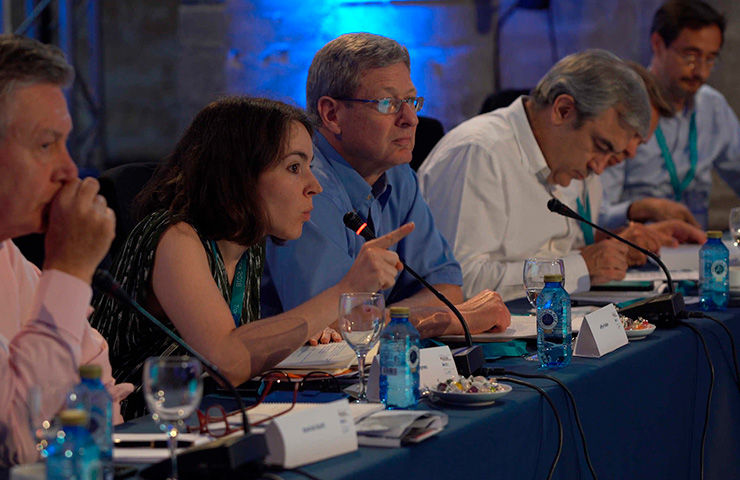
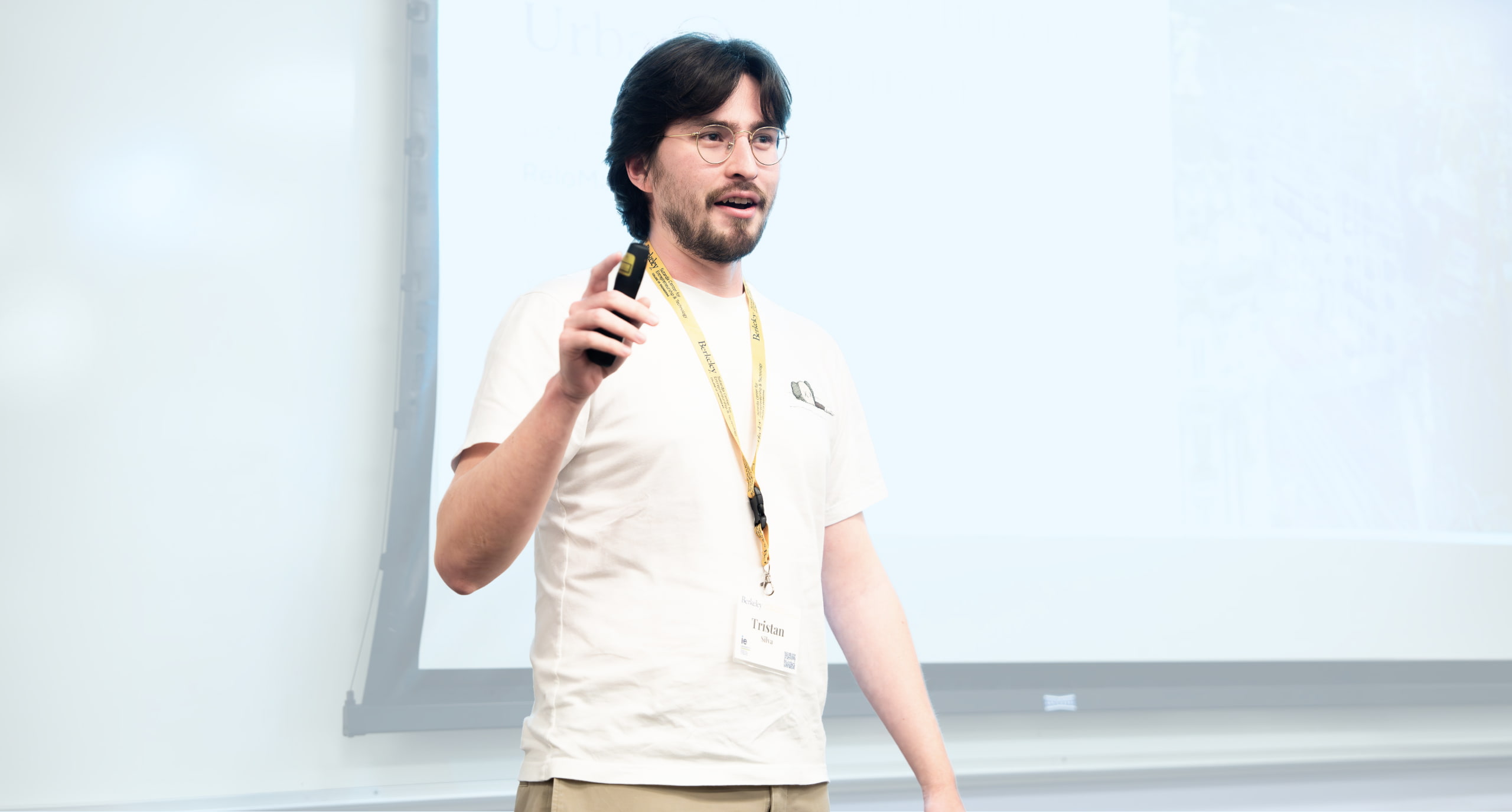
“At the end of the day, a good think tanker is a mixture of a journalist, a writer and an academic,” Miguel Otero-Iglesias.
Above all, pursuing a think tank career often requires persistence. Applying widely and actively engaging with policy discussions can help aspiring researchers find their place in the field. And, if you’re interested in working in in policy analysis, diplomacy or think tanks, you have options.
Programs such as the Master in International Relations at IE School of Politics, Economics & Global Affairs equip students with the analytical tools and global perspective needed to understand complex geopolitical challenges and contribute to policy debates worldwide.
Hands-on learning, research opportunities and exposure to policy professionals can help students build the expertise required to pursue careers in leading think tanks and international institutions.
Step into your future
Kickstart your career at the highest level with our Master in International Relations. It’s designed for professionals who want to understand the complex dynamics that shape global affairs. Just follow the link below to find out more information.
Benjamin is the editor of Uncover IE. His writing is featured in the LAMDA Verse and Prose Anthology Vol. 19, The Primer and Moonflake Press. Benjamin provided translation for “FalseStuff: La Muerte de las Musas”, winner of Best Theatre Show at the Max Awards 2024.
Benjamin was shortlisted for the Bristol Old Vic Open Sessions 2016 and the Alpine Fellowship Writing Prize 2023.