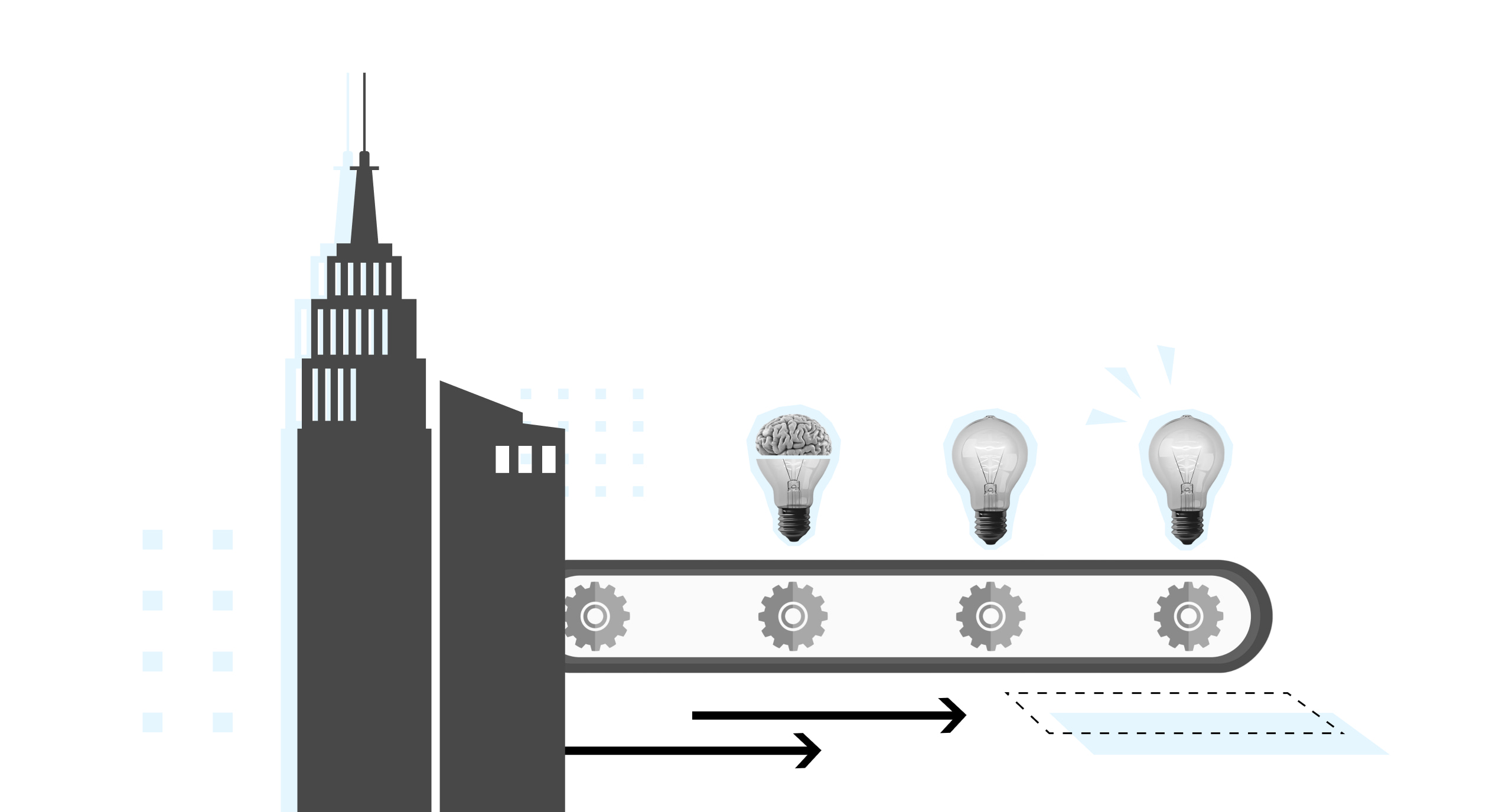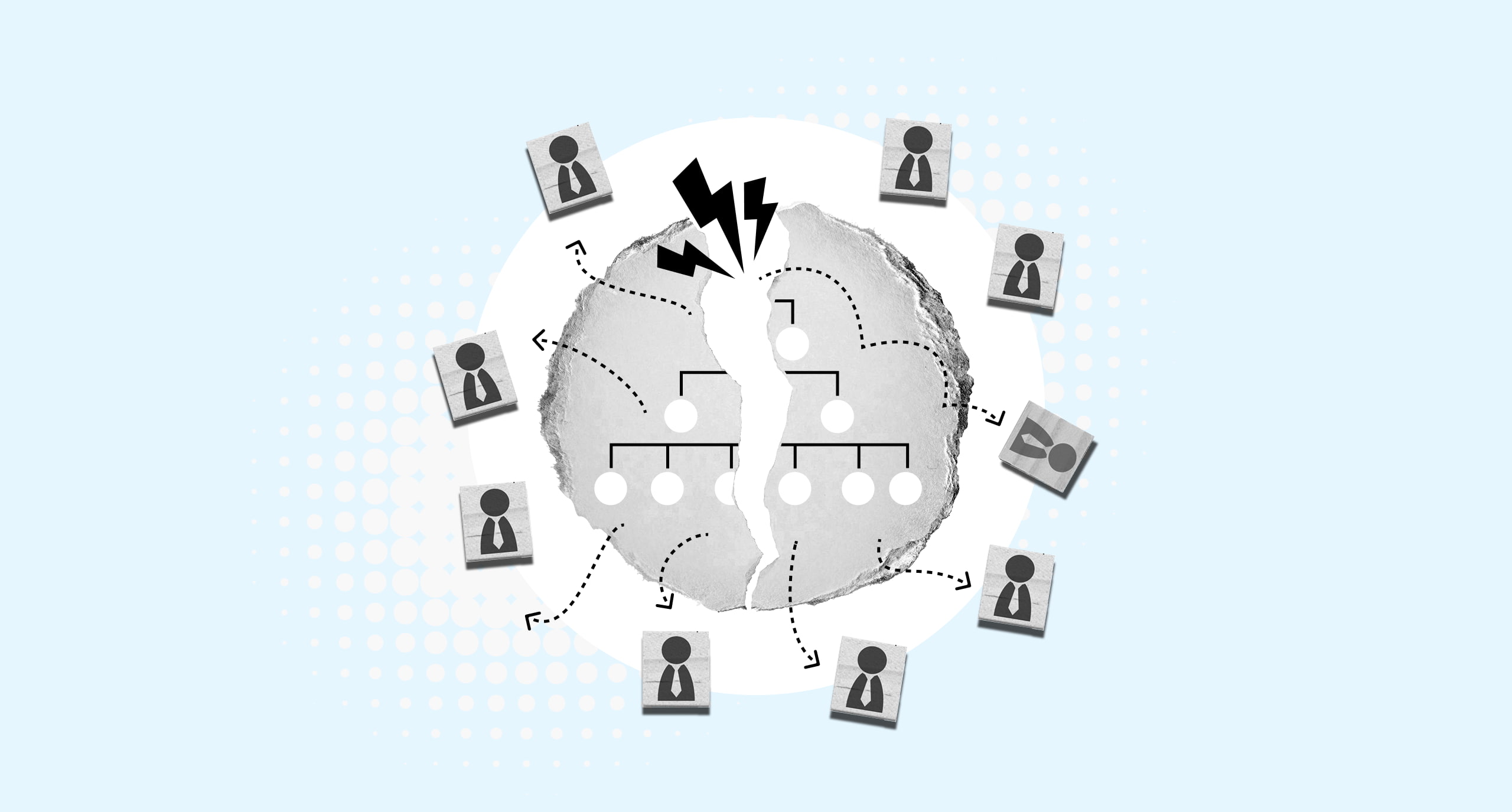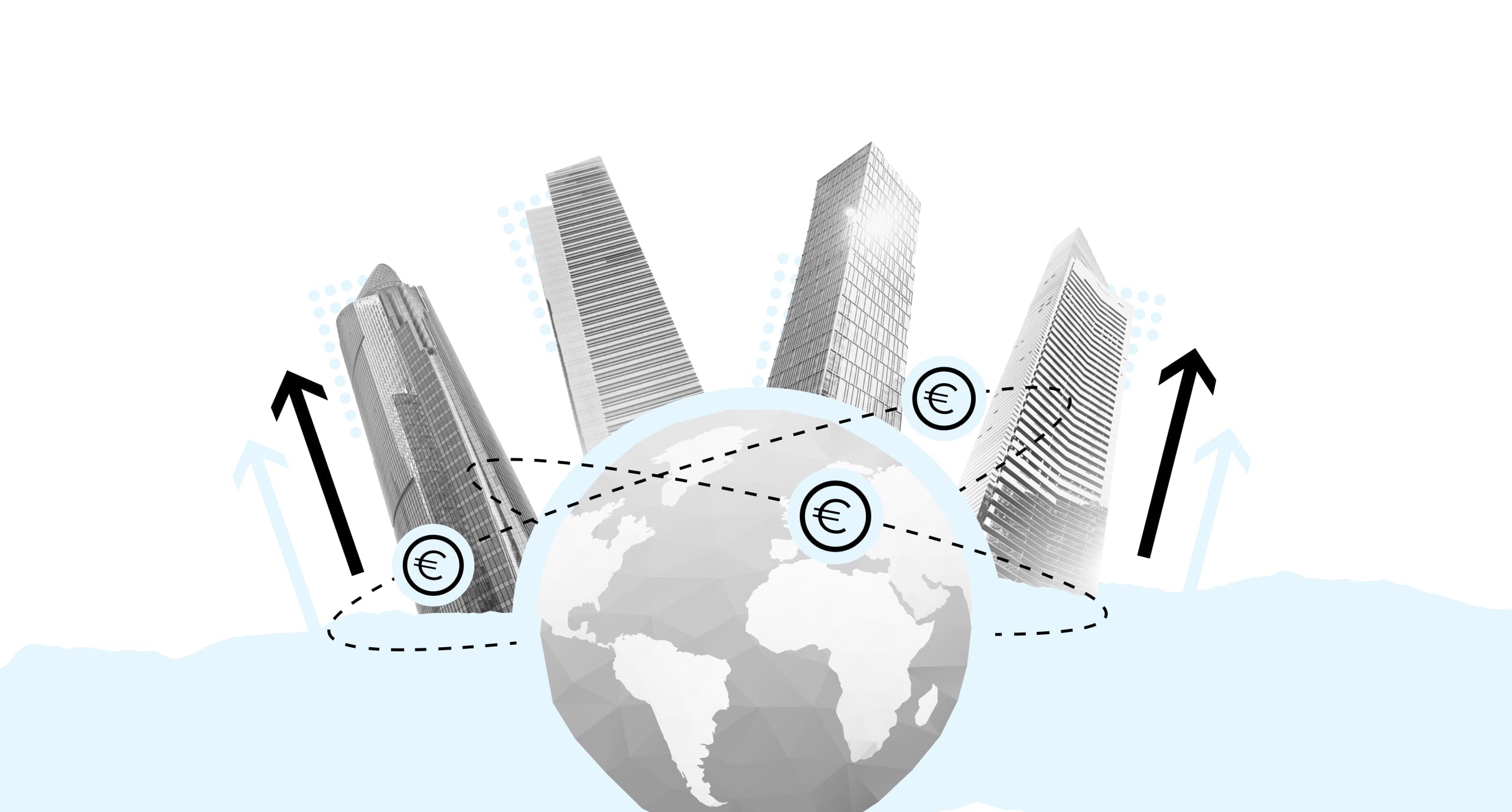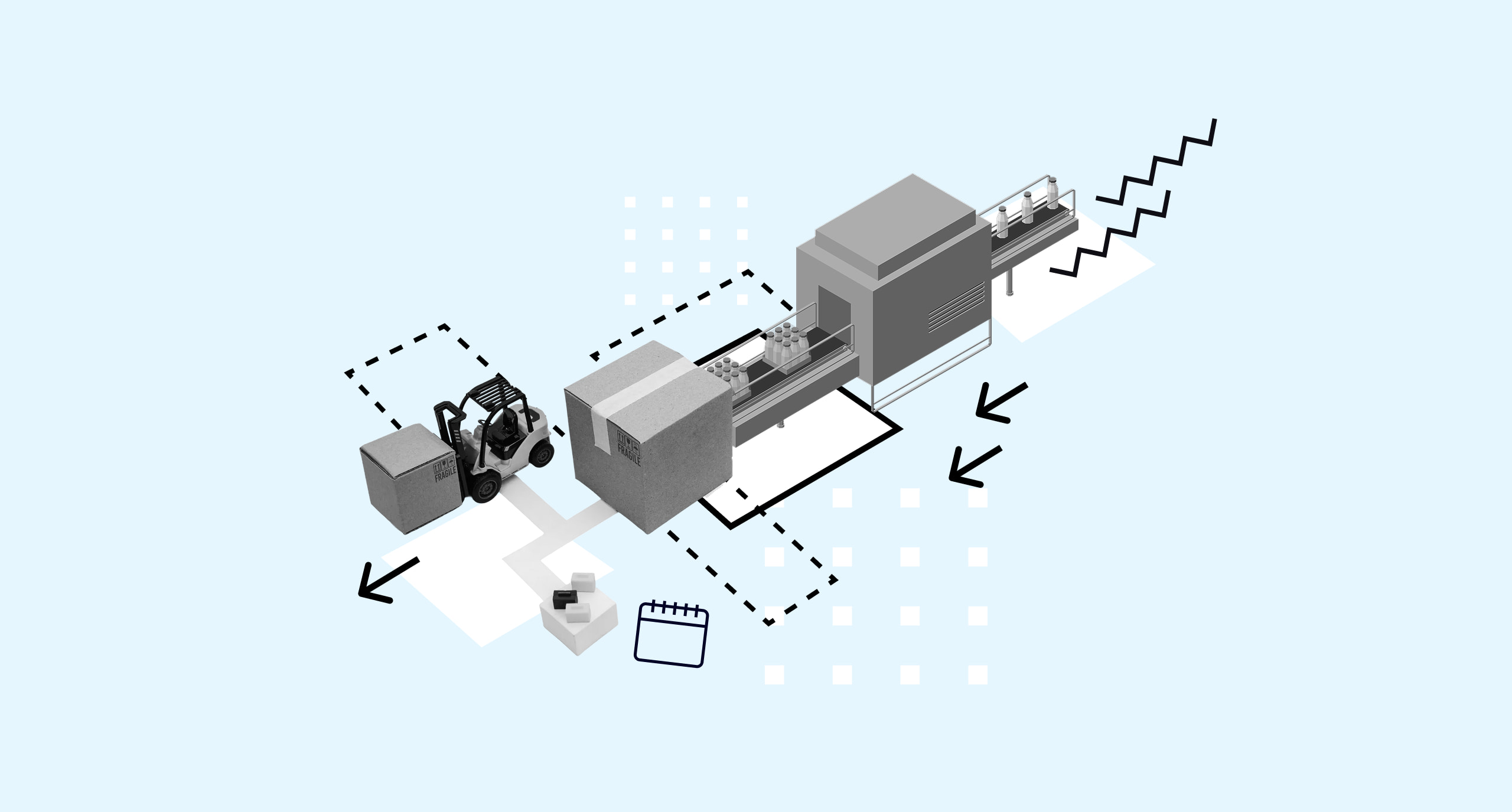
Science diplomacy is the practice of using scientific knowledge and scientific cooperation to support international relations. It also includes the use of diplomatic tools to enable international research across borders.
You’ll see it wherever decisions depend on shared evidence and coordinated action, including climate and energy, public health, food systems, oceans, space, emerging technologies, and research security.
How do core diplomatic functions show up in science diplomacy?
The field relies on familiar diplomatic functions, but it applies them to technical work with long timelines.
Negotiation
Science diplomacy often depends on negotiation that sets clear, workable terms for collaboration from the start. That means agreeing on how data will be accessed and shared, and what privacy constraints apply. You also have to factor in expectations around intellectual property, publication norms, and knowledge transfer. It also involves clarifying who funds what through defined responsibilities, procurement rules, and cost-sharing arrangements. Finally, strong agreements address risk management up front, including dual-use concerns and, where relevant, export controls that may shape what can be shared and how.
Communication
Science diplomacy depends on communication that translates evidence into clear, policy-relevant terms. That includes explaining uncertainty and levels of confidence in a way that decision-makers can understand without oversimplifying what the science actually shows. It also requires aligning definitions and metrics so agreements remain comparable across countries and institutions. At its best, this work results in concise briefings and position notes that leaders can use to make informed decisions quickly and responsibly.
Relationship-building
Science cooperation depends on institutional trust built over time, usually through structures that keep relationships active beyond a single project. This often includes consortia, joint centers, and long-term research partnerships, alongside exchange programs and visiting appointments that help researchers collaborate across borders and systems. It also grows through recurring working groups, advisory forums, and shared governance bodies that create continuity, shared standards, and a reliable way to coordinate decisions as priorities evolve.
Promotion of interests
States and institutions take part in science diplomacy to advance their own priorities while still cooperating with others. This often includes strengthening domestic research capacity through strategic partnerships, shaping international norms in areas like data governance, AI, biosafety, or space activity, and securing access to the infrastructures that matter for national research and innovation goals.
What how does the EU handle science diplomacy?
EU science diplomacy refers to how the European Union connects research and innovation with its external action and international relationships. Because responsibilities are shared, it often involves both EU institutions and member states, alongside funders and universities.
In practical terms, EU science diplomacy includes building international research partnerships and agreements with non-EU countries. That involves funding instruments that support multinational collaboration and researcher mobility, and bringing scientific input into EU external policy work on areas like climate, health security, energy, and critical technologies.
It also involves engaging in multilateral processes where technical norms and standards are developed. This helps ensure international coordination is grounded in credible evidence and shared frameworks.
How can you work in science diplomacy?
The Master in Public Policy is a strong place to build the skills that science diplomacy actually requires: policy analysis, evidence use, and the ability to work across institutions. You learn how decisions are made, how negotiations move, and how technical input becomes something a public body can act on.
It also gives you clear routes into the areas where science diplomacy is most active. The specializations in Environment, Energy & Sustainability, Digital Transformation, and European Union Affairs align with the real arenas where governments coordinate on standards, data, climate targets, health security, and emerging technologies.
Just as importantly, the program’s applied format helps you test your fit for this work early.

Through simulations, capstones, and access to practitioners and partners, you learn what roles look like in practice and how to position yourself for them – whether that’s in government, an international organization, a think tank, a research-facing institution, or a private-sector policy team.
Benjamin is the editor of Uncover IE. His writing is featured in the LAMDA Verse and Prose Anthology Vol. 19, The Primer and Moonflake Press. Benjamin provided translation for “FalseStuff: La Muerte de las Musas”, winner of Best Theatre Show at the Max Awards 2024.
Benjamin was shortlisted for the Bristol Old Vic Open Sessions 2016 and the Alpine Fellowship Writing Prize 2023.