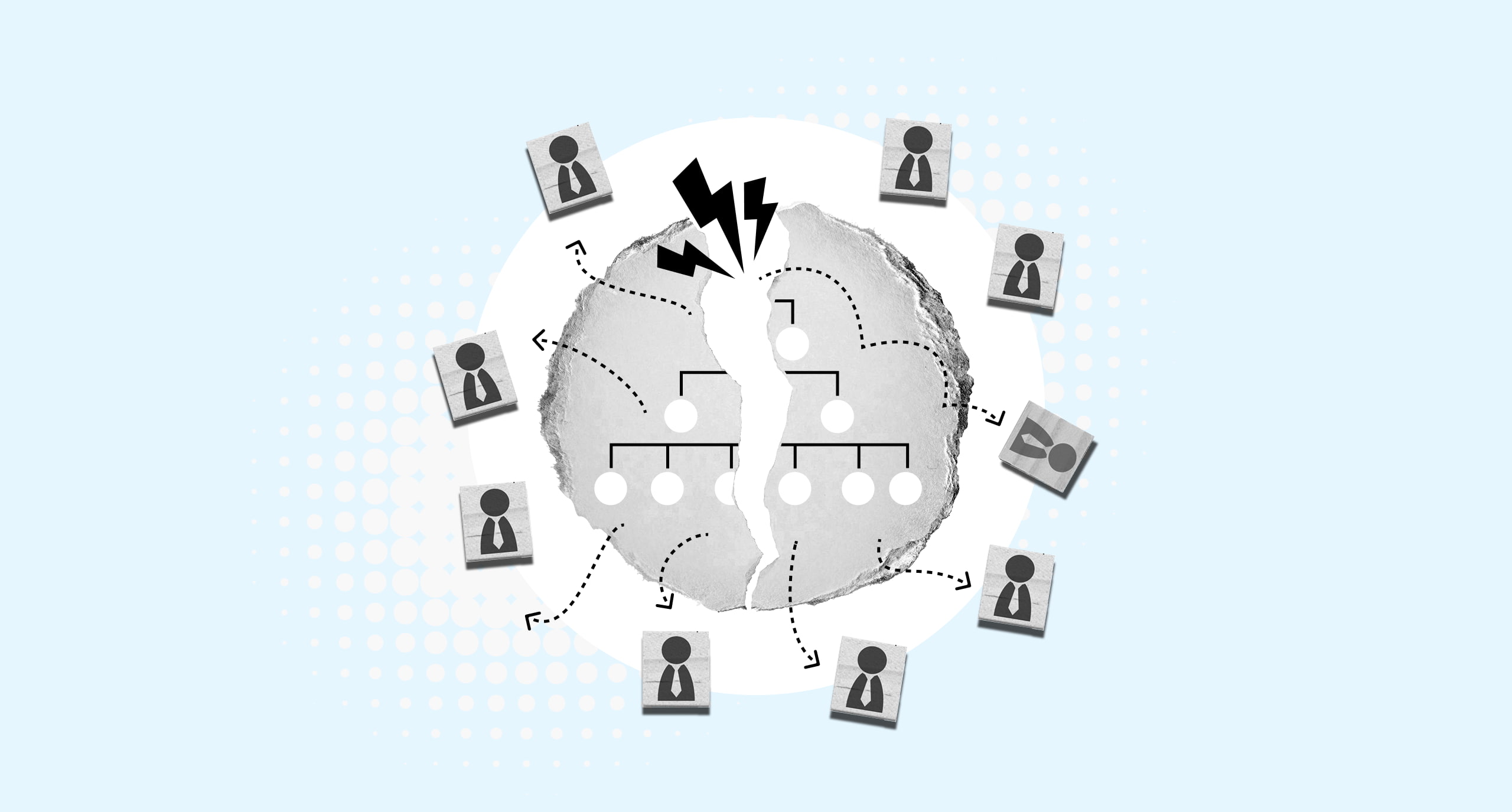
If you’ve read Lord of the Flies, you’ll remember Ralph. He is fair and well-intentioned, and he still loses control of the group. He struggles to maintain alignment, manage conflict and sustain commitment as pressure builds. In terms of leadership qualities, this doesn’t bode well.
Why? Because leadership depends on having the leadership qualities that allow people to move together when conditions are uncertain. So if you’re asking what makes a great leader, let’s take a moment to focus on the traits of a good leader that consistently create clarity, trust and follow-through.
What is leadership?
Before listing qualities, it helps to be precise about what leadership is.
Leadership is the ability to guide a group toward a shared goal by creating direction, alignment and commitment. In practice, this means helping people understand where they are going, how they will get there and why the effort matters.
Many effective leaders operate without positional authority, purely because they demonstrate leadership qualities. Their influence comes from consistency and judgment built on trust. This is why leadership and characteristics are closely linked: leadership is expressed through behavior over time.
The top 10 leadership qualities that matter most
There are many ways to describe leadership, but the characteristics of a good leader tend to appear consistently across research and real-world experience. The list below reflects the qualities of leadership that support performance, decision-making and long-term credibility.
1. Clear communication
Clear communication is one of the most important good leadership qualities.
Strong leaders make priorities understandable and explain decisions clearly. After communication takes place, people know what matters and what comes next.
2. Emotional awareness
Emotional awareness is a core trait of a good leader.
Leaders who notice tension or uncertainty respond more effectively. This awareness supports trust and stability within a team.
3. The ability to listen
Listening supports better leadership decisions.
Effective leaders listen to understand context and concerns. This quality helps surface risks early and creates space for people to contribute honestly.
4. Integrity and trustworthiness
Trust plays a central role in leadership effectiveness.
Leaders build trust through reliability and transparency. When trust is present, teams collaborate more effectively and decisions move faster.
5. Accountability
Accountability shapes leadership credibility.
When outcomes fall short, leaders who take responsibility reinforce a culture of ownership and learning. This approach strengthens respect over time.
6. The ability to delegate
Delegation reflects confidence in people and sound judgment.
Effective leaders assign responsibility with clear context. Delegation develops talent and prevents leadership bottlenecks.
7. Strategic thinking
Strategic thinking allows leaders to prioritize effectively.
This quality involves recognizing patterns and making informed trade-offs. Strategic leaders help teams focus on work that delivers lasting value.
8. Self-awareness
Self-awareness supports consistency under pressure.
Leaders who understand their limits and behavioral patterns maintain steadier performance. This steadiness improves team confidence and execution.
9. Curiosity and a learning mindset
Curiosity keeps leadership adaptable.
Leaders who continue learning stay open to new information and adjust their approach as environments change. This mindset supports long-term relevance.
10. Perspective and openness to difference
Perspective strengthens leadership judgment.
Leaders who value different viewpoints improve decision quality in complex situations. Openness to difference supports better problem-solving and stronger team dynamics. It also helps when deploying useful negotiation strategies.
What leadership involves in practice
Leadership involves decision-making under uncertainty and communication during change. It requires judgment and emotional awareness alongside the ability to maintain focus when priorities compete.
People look to leaders for steadiness and clarity, especially when conditions are demanding.
Are great leaders born or made?
Some individuals have natural advantages such as confidence or composure. These traits can help.
There is no single ideal leader. Leadership qualities develop through experience, reflection and structured learning. Skills such as communication, emotional regulation and strategic thinking strengthen with practice.
Leadership works best when treated as a discipline that evolves over time.
Develop leadership qualities with IE Business School
As responsibility increases, leadership becomes more complex. Decisions involve ethical considerations, teams become more international and ambiguity becomes a constant factor.
We’ve designed our International MBA at IE Business School to develop leadership qualities that support decision-making in that environment. The program focuses on judgment, communication and self-awareness while preparing leaders to operate across cultures and contexts.
If your goal is to lead with consistency and credibility, that development matters.
Interested in current best practices? Read our guide on top leadership trends in business for 2026.

Benjamin is the editor of Uncover IE. His writing is featured in the LAMDA Verse and Prose Anthology Vol. 19, The Primer and Moonflake Press. Benjamin provided translation for “FalseStuff: La Muerte de las Musas”, winner of Best Theatre Show at the Max Awards 2024.
Benjamin was shortlisted for the Bristol Old Vic Open Sessions 2016 and the Alpine Fellowship Writing Prize 2023.