Movember: More Than Just a Mustache at IE

At IE, Movember is more than a campaign — it’s a movement to redefine strength through empathy and openness.
By: Manuela Moscoso
Every November, mustaches start appearing across faces around the world, but the Movember movement goes far beyond facial hair.
What began in 2003 as a lighthearted idea among a group of friends in Australia quickly grew into a global campaign raising awareness for prostate cancer, testicular cancer, men’s mental health, and suicide prevention (Field, 2024).
Not many years before, International Men’s Day, celebrated every November 19, had been established in the United States to encourage reflection on men’s well-being, positive role models, and gender relations. It traces back to Thomas Oaster, Director of the Missouri Center for Men’s Studies, who first proposed the idea in 1999. His early attempts were sometimes misunderstood, as some perceived the initiative as unnecessary or divisive. But once the goal shifted toward education and dialogue, International Men’s Day found its true purpose (Trejo & Roche, 2024).
Today, both initiatives remind us of something that still doesn’t get enough attention: men’s mental health.
The Global Picture: Behind the Numbers
Yes, the world is talking more about mental health, but the numbers still sting.
According to the World Health Organization, more than 720,000 people die by suicide every year. It is the third leading cause of death among people aged 15 to 29 (2025).
Here’s the hard truth: A recent Global Burden of Suicide analysis published in The Lancet Public Health found that, in 2021, the age-standardised suicide mortality rate was more than twice as high in men as in women. Yet women are far more likely to attempt it, reminding us of the complex and deeply human dimensions behind these numbers (2025). Apart from suicide, according to the National Institute on Drug Abuse (NIDA, 2020), men are generally more likely than women to misuse substances.
And although there are differences between countries in these statistics, the numbers remain alarming and highlight not just data, but stories of silence, pressure, and unspoken pain.“For generations, men have been socialized to associate strength with self-reliance and silence. This narrative can make it difficult to open up, even when doing so would foster greater clarity and resilience,” says Manuel Muñiz, Provost of IE University. Understanding the factors that increase the risk of suicide and substance dependence can help us provide more effective interventions and support systems.
Looking Closer: The IE Community
Zooming in on our own environment, data from the June 2025 IE Community-Wide Experience & Well-being Survey reveals clear gender patterns when it comes to mental health stigma: the negative attitudes, beliefs, and stereotypes people may hold towards those who experience mental health struggles. Women reported lower stigma across the board. The biggest gap appeared in personal agreement with stigmatizing statements, meaning men were more likely than women to hold those beliefs themselves. The gap narrowed when looking at perceived public stigma, defined as the extent to which individuals believe that most people hold negative attitudes toward those with mental health difficulties, but men still tended to assume negative views were more common.
Interestingly, our results confirmed a pattern seen across studies: we tend to overestimate how negatively others view mental health treatment. In our community, only 6% agreed with thinking less of someone receiving mental health support, yet 40% believed that others would think less of them for doing so, a gap that shows attitudes are improving, even if the perception of stigma still holds many back from seeking help. This highlights how crucial it is to foster open, judgment-free conversations about mental health.
When students were asked whether or not they talk about their emotions with male friends, many highlighted that it often happens rarely. “It depends on the friend and how close you are, but typically no. I think we miss that a bit. It happens rarely, maybe only when something serious is going on,” said Noé, a Bachelor in Business Administration (BBA) student from France, pointing out that many conversations only occur when a man is going through something serious.
According to data from the Survey Center on American Life, 15% of U.S. men said they had no close friends in 2021, a big jump from just 3% in 1990. An article from The Guardian explores this data further, with experts explaining that while men often spend time together, their friendships tend to revolve around shared activities rather than deeper emotional connection.
“You don’t meet your friends thinking, ‘I’m going to talk about this,’” stated Romain, a Bachelor in Business Administration (BBA) student, also from France, confirming that emotional conversations are less common within male friendships.
Whether or not this statistic applies to you, Gonzalo Llanes, Transversal Project Manager at IE’s Center for Health & Well-being, suggests that more spaces for open dialogue can be beneficial: “Many men feel more comfortable opening up in men-only spaces, such as support groups or circles. These spaces can offer a sense of safety and understanding that encourages honest sharing.”
Why Men Stay Silent
Cultural and social conditioning have long shaped how men understand and express their emotions. Gonzalo Llanes points out that “Many of us men have learned to minimize our struggles. We’re taught to manage problems on our own, and that limits emotional expression and deepens isolation.” Adjunct professor Balvinder Singh Powar adds that beyond upbringing, cultural norms continue to reinforce emotional restraint: “Society dictates that men shouldn’t show vulnerability and must always be strong, a terrible stereotype that affects everyone.”
This conditioning often feeds into a deeper fear of judgment or loss of respect. As Lee Newman, Dean of IE Business School, explains, “From a young age, men are often told that ‘big boys don’t cry.’ Especially in older generations, there’s still that stigma around showing vulnerability.” Provost Manuel Muñiz echoes this, noting that “In many cases, there remains a deeply ingrained notion that seeking support is a sign of weakness.”
Such expectations have led many men to associate emotional openness with weakness, making it harder to admit when they are struggling. Even when men want to open up, they often struggle to find where they can do so safely.
A third-year student from the Bachelor of Computer Science and AI (BCSAI) said, “Some guys just don't have somebody they think they have a safe space with.”
Gerardo Naranjo, a recent grad, highlighted how attempts at openness can sometimes backfire: “Many of us have opened up at some point only to see the other person not know how to respond... comments like that, even if well-intentioned, can take away the seriousness of what we’re trying to express.” Without understanding and safe spaces, men’s silence is often not a choice, but a learned form of self-protection.
Finding Well-Being in Differnet ways
It was interesting to find out the various ways in which you can take care of your well-being. Here we share some personal reflections around this question:
“ Spending more time on things I enjoy, not just what I have to do. Taking time for myself, especially during midterms.”
Romain and Noé (IE Bachelor in Bussines Administration Students)
Both BBA third-year students from France, Romain and Noé shared how they approach well-being through connection and enjoying simple moments of life. For Romain, balance comes from “keeping a routine: playing football, hanging out with friends, and talking to my family.” Noé adds that taking time for yourself is equally important, whether it’s “reading a book, doing sports, or being with people you feel good with.” They both believe that small, consistent habits like moving their bodies, nurturing friendships, and making space for rest are what keep them grounded amid the pressures of university life.
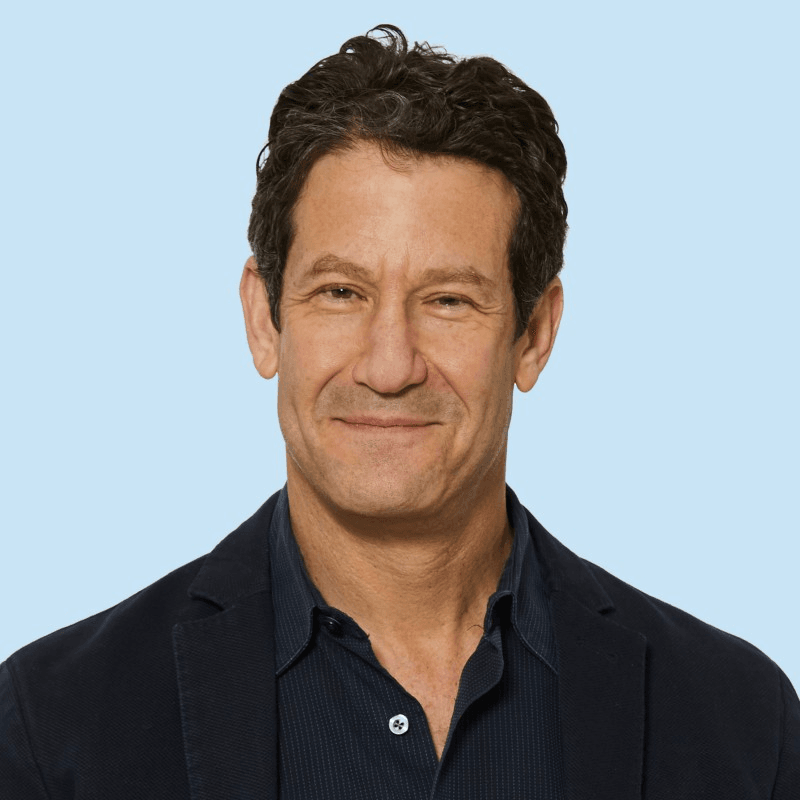
“Spend much less time in the digital world and more time in real life.”
Lee Newman (Dean, IE Business School)
Lee Newman takes a mindful balance approach to his well-being, grounding his mental health in both routine and reflection. “I try to keep a bit of routine in my life, not a strict one, but enough structure to feel balanced,” he says, emphasizing the importance of starting each day with small habits like stretching and a good breakfast. Outside of work, he finds calm in nature, often spending weekends birdwatching or walking outdoors with his family. Physical activity also plays a key role in both his physical and mental health through karate. “It’s not really about fighting, it’s about integrity, humility, and self-reflection,” he explains. Newman believes that true well-being also comes from creative and social engagement, playing blues on the piano, enjoying mindful whiskey-tasting sessions, or gardening at home. For him, it all comes back to presence: “Spend much less time in the digital world and more time in real life,” he advises.
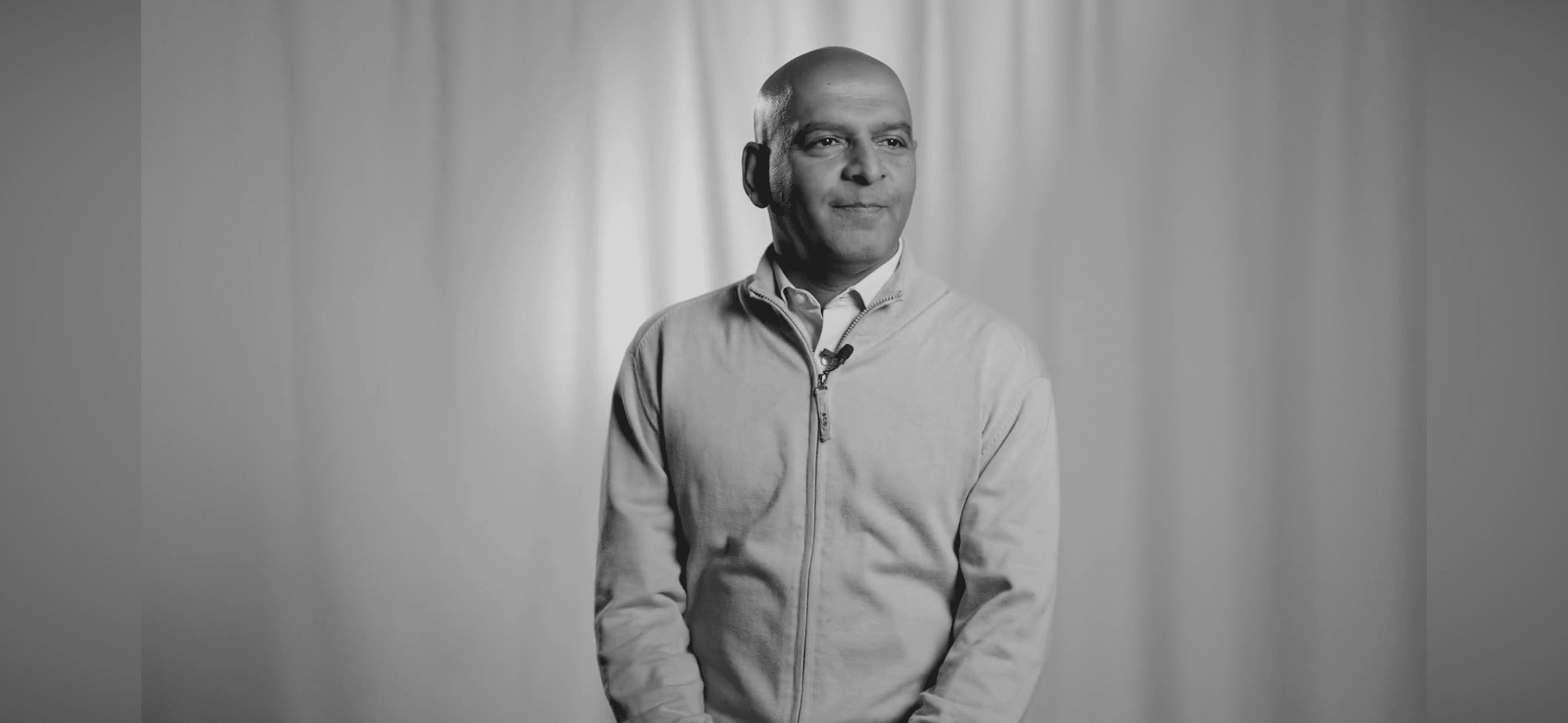
“Looking after, in yourself, what others cannot see.”
Balvinder Singh Powar (Adjunct Professor at IE University, Organizational Behaviour)
Balvinder Singh defines mental health as simply “Looking after, in yourself, what others cannot see.” He reflects on the importance of routines that help him stay grounded and present: “Taking time to pause, following hobbies, reading, meditation, doing sports, and spending time with loved ones, being in nature,” he explains.For Balvinder, balance can be found in small, unexpected interactions, “just by simple things like speaking regularly to neighbours and having passion for hobbies, e.g., in my case, mechanical watch collecting!” His advice captures his approach to life: “Follow your heart, instinct, and energy, and improvise more!”
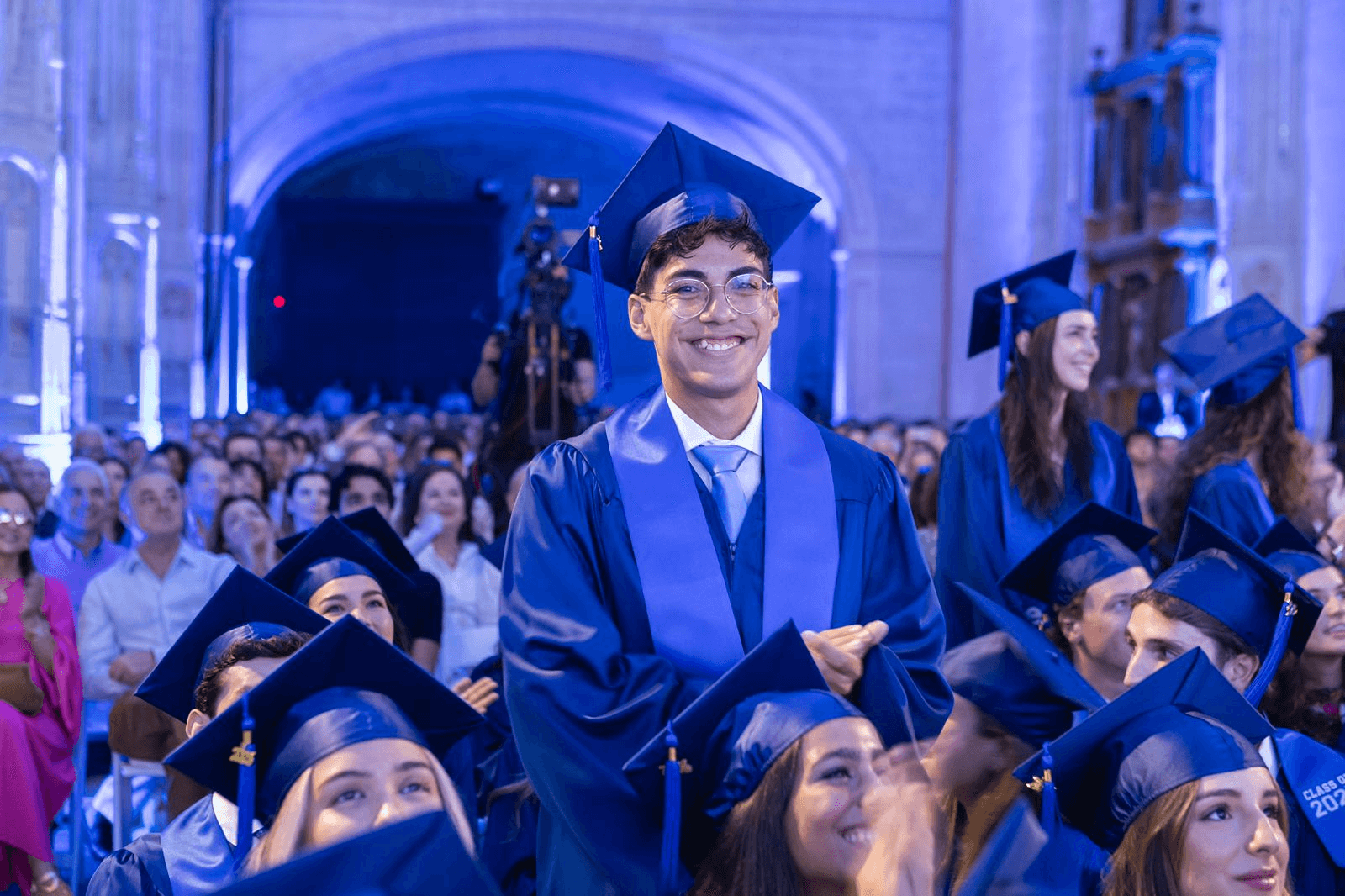
“I’m learning to focus more on what makes me happy.”
Gerardo Naranjo (IE Bachelor in Communications and Digital Media Alumni)
Just graduated from IE University, Gerardo shares how he finds well-being both in the workplace and outside of it.
Inside an important project, Gerardo focuses on staying present and enjoying what he’s doing rather than getting fixated on the outcome: “Inside of work, I try not to stress about results. I focus more on the process and on enjoying what I’m doing, because that takes away a lot of the stress.”
He also reflects on how important connection and belonging can be: “When I used to play on a team, that was a big part of my well-being.”
He is learning to let go of the responsibility of managing others’ emotions: “Sometimes I try too hard to make sure others don’t feel bad, but that can come at the cost of my own peace and priorities,” he explains.Gerardo shares the importance of setting boundaries around what interferes with his happiness: “I’m learning to focus more on what makes me happy.”
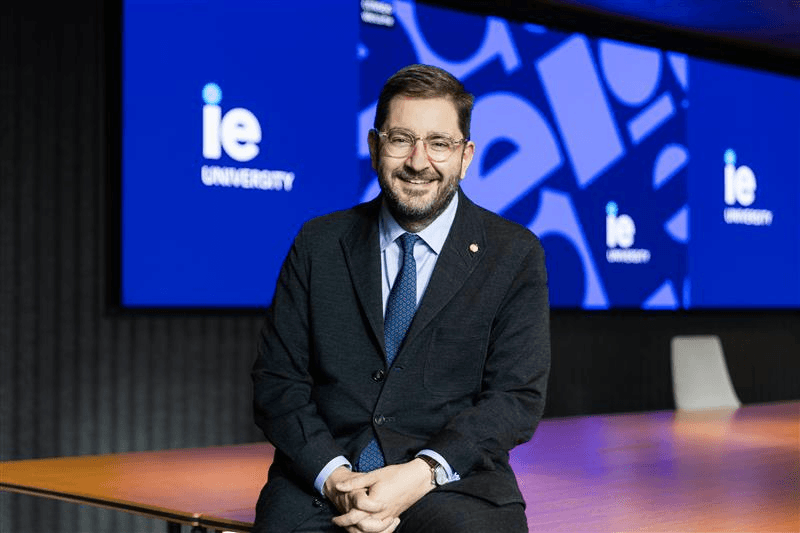
“Serenity emerges from accepting complexity and acting within it with purpose.”
Manuel Muñiz (Provost of IE University)
Manuel Muñiz believes that true balance is built through the quiet rhythm of everyday life. As he puts it, “Balance rarely stems from grand gestures, but rather from consistency in small, meaningful habits.”Rather than seeking dramatic changes or quick fixes, he finds stability in routines that give his days structure and meaning: “Sharing a morning coffee with my family, reading the newspaper before work, or spending time outdoors.” These moments, he says, “anchor me and remind me that presence often matters more than pace.” For him, well-being is not about achieving perfect control or eliminating stress, but about learning to move with life’s natural flow. As he reflects, “Much of our discomfort comes from trying to control the uncontrollable. Over time, I’ve learned that serenity emerges from accepting complexity and acting within it with purpose.” His advice is simple yet profound: peace does not come from mastering every variable but from showing up calmly and intentionally, even when life feels uncertain.
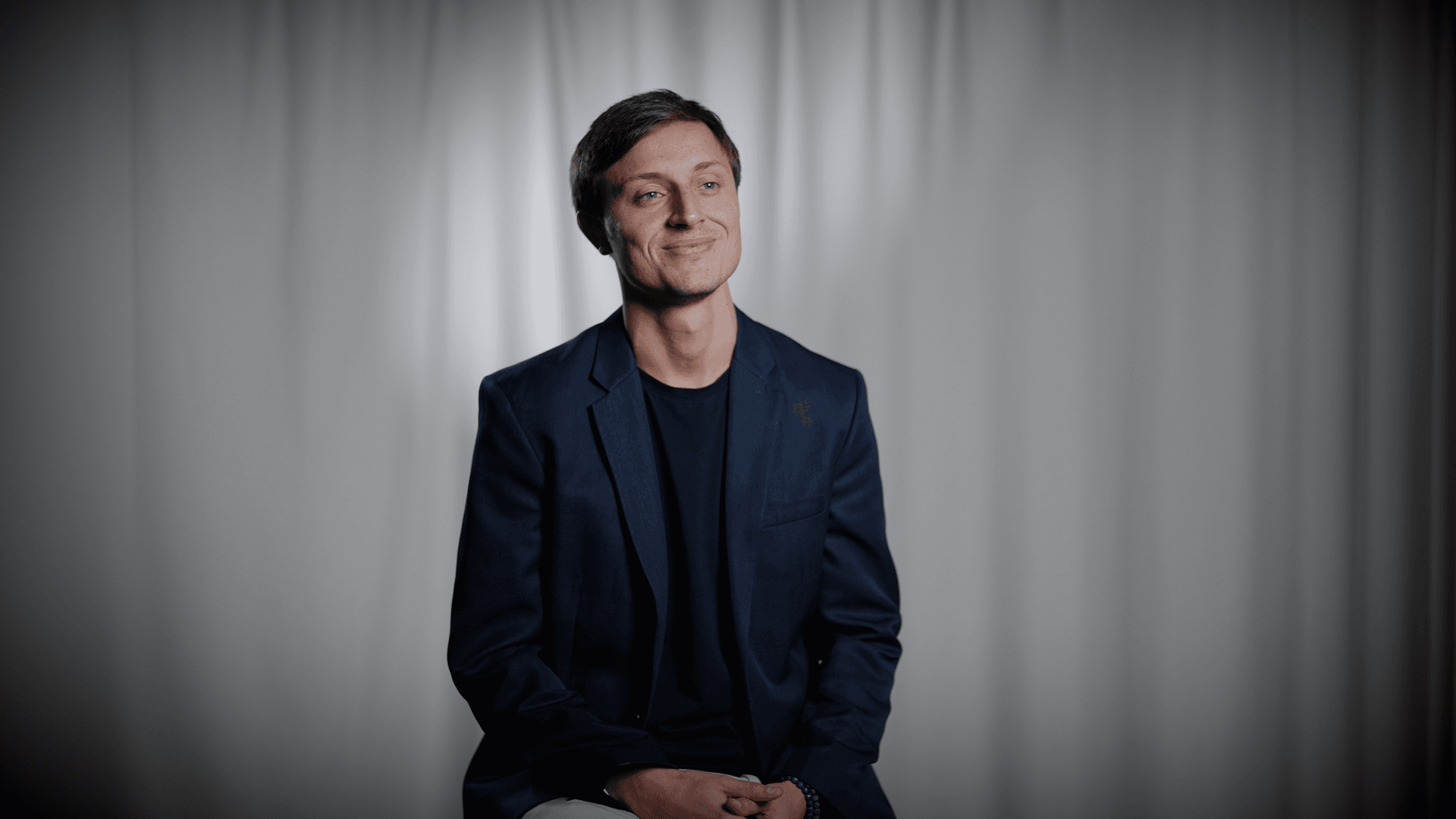
“ Therapy has been a fundamental pillar for me.”
Gonzalo Llanes (Transversal Project Manager and Faculty Member at IE Center for Health & Well-being)
As part of the Well-being team at IE University, psychologist Gonzalo Llanes approaches mental well-being with discipline and emotional awareness. “It begins with the body,” he explains. “When I exercise and sleep well, I have less mental noise and better emotional regulation.”
Meditation has also become a cornerstone of his routine: “Because I have a tendency toward anxiety and catastrophic thinking, meditation helps me detach from my thoughts and bring me back to the present with more calm and clarity.”
“Therapy has been a fundamental pillar for me, helping me understand myself, what triggers me, what I value most, and approach life with greater clarity and compassion.” Beyond individual habits, connection and creativity are essential sources of grounding. “For me, singing has been a powerful way to release emotions and reconnect with myself,” he shares. He also believes in the healing power of community: “There are experiences that help heal shame, such as being in groups or teams where we feel accepted and loved for who we are, even with our shortcomings.” For Gonzalo, emotional health grows through both self-understanding and belonging.
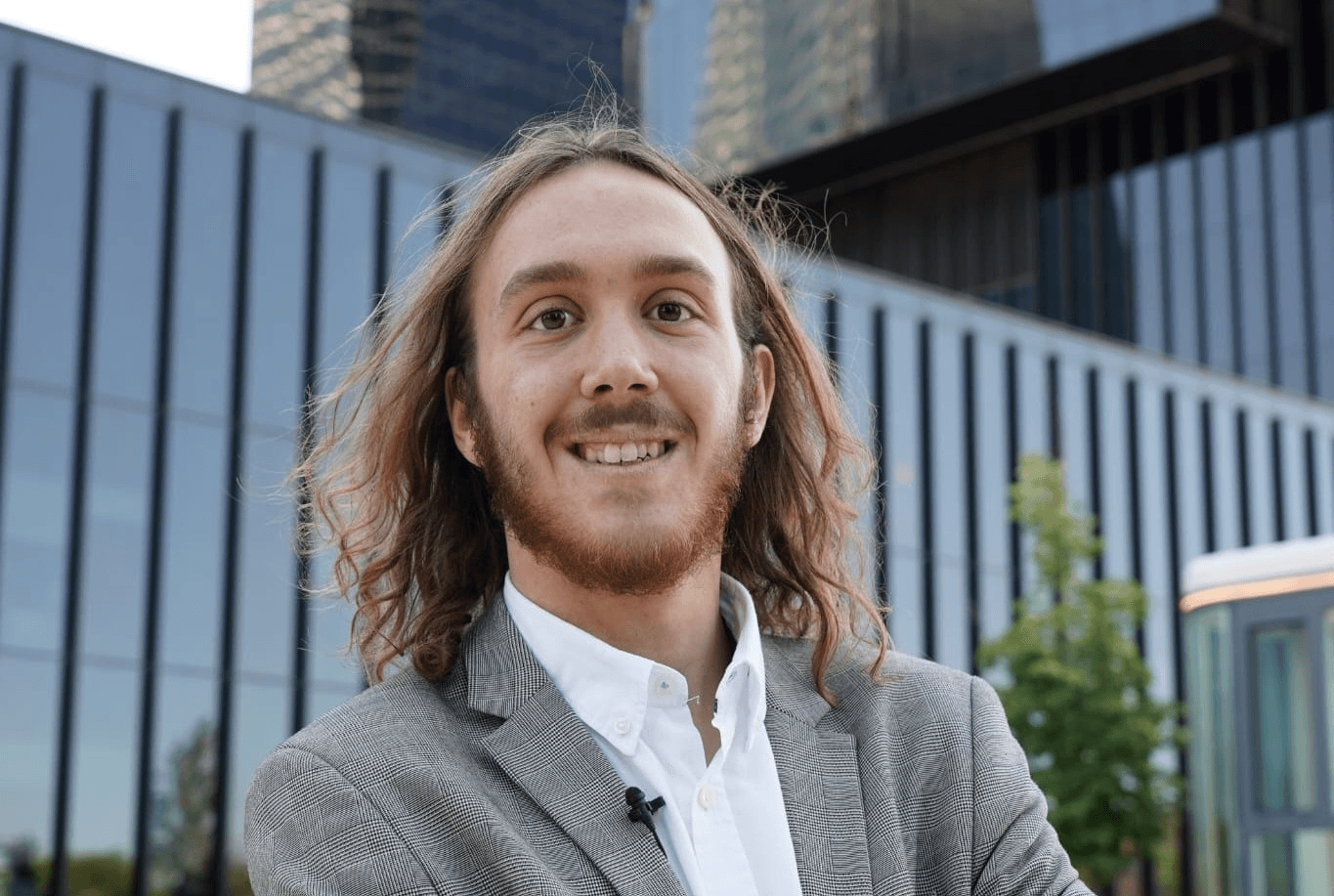
“ Wellbeing means having a satisfactory and fulfilling balance in life, between different important aspects: relationships (family, friends, partner), work or studies, hobbies, and rest.”
Sam Ferdinand (IE Bachelor in Bussines Administration and Inernational Relations Student)
For Sam Ferdinand, well-being is all about balance and adaptability. “It means having a satisfactory and fulfilling balance in life, between different important aspects: relationships (family, friends, partner), work or studies, hobbies, and rest,” he explains. To maintain that balance, Sam prioritizes mindfulness and small, consistent habits, getting fresh air, taking long walks for light exercise, and allowing himself breaks when needed. He admits it is not always easy to slow down, but recognizing when to pause is part of his practice. Looking ahead, Sam says he would like to be more active: “I should probably do more exercise than I currently do, just going on walks is likely not enough!”
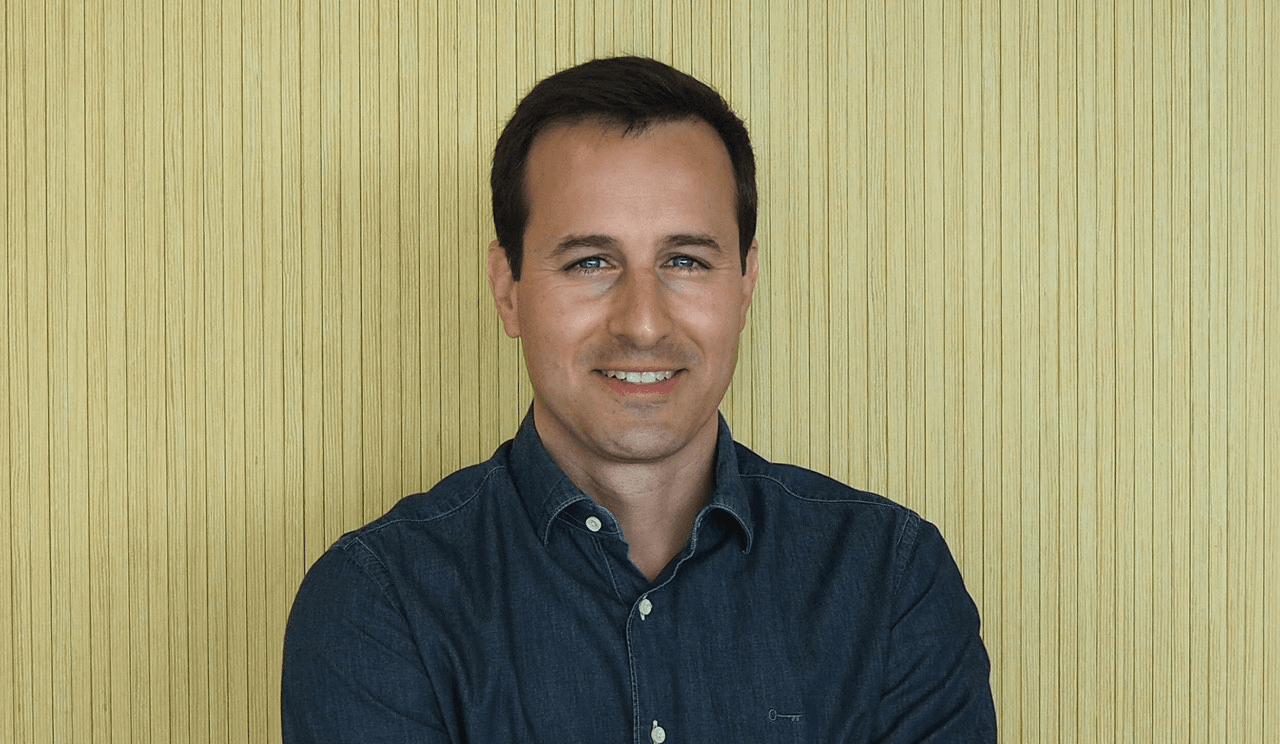
“Don’t waste your time pre-judging, and always keep perspective, nothing is life or death as we often think it might be.”
Ignacio Maldonado (Adjunct Professor at IE University, Finance)
For Ignacio, mental health means maintaining inner balance and discipline. He focuses on healthy habits, keeping a steady routine between work, rest, sleep, and exercise. He believes men often struggle to seek support due to habit or lack of opportunity, though he sees this changing among younger generations. Sports and teaching help him stay grounded and fulfilled, and his advice is simple: “Don’t waste your time pre-judging, and always keep perspective, nothing is life or death as we often think it might be.”

“The meaning of well-being for me changes often as I recognise that I am changing to”
Shane O´Connor (Adjunct Professor at IE University, Mindfulness Professional)
For Shane, well-being is an evolving concept that grows as he does. “The meaning of well-being for me changes often as I recognise that I am changing too,” he shares. At this moment, it’s about connection: both with himself and with the people who uplift and energise him. He focuses on aligning with his values and nurturing his body through movement, breath, and rest. To care for his well-being, Shane listens closely to what his body communicates, follows natural rhythms through nutrition and lifestyle, and enjoys moving in community. He adds that one habit he would like to strengthen is getting natural light within the first half hour of his day to help balance his circadian rhythm.
A Shared Responsibility
Addressing men’s mental health is not an individual effort; it is our shared responsibility as a community to raise awareness, fight stigma, and encourage open conversations about challenges such as depression, anxiety, substance dependence, and suicide.
Both Dean Lee Newman and Provost Manuel Muñiz see hope in the generations to come.
“I think for younger generations, people in their 20s or teens, there’s less stigma around talking about mental health,” said Newman.
Muñiz added, “In many cases, there remains a deeply ingrained notion that seeking support is a sign of weakness… I believe we are slowly moving beyond that, but it requires conscious effort and visible examples of vulnerability being met with respect, not judgment.”
“At IE, this effort translates into a new understanding of leadership, one rooted in empathy, emotional intelligence, and authenticity,” concludes Muñiz.
This November, as we reflect on men’s mental health, the message is clear: strength is not about silence. It is about connection, honesty, and the courage to care for yourself and for others.
Join the Movember movement and turn awareness into action, whether by growing your facial hair as a symbol of support or running 60 kilometers this month in memory of the 60 men we lose every hour to suicide around the world. Visit https://es.movember.com/ to learn more and find ways to get involved.
References
Buchholz, K. and Richter, F. (2025) Infographic: Men more likely to die by suicide, Statista Daily Data. Available at: https://www.statista.com/chart/15390/global-suicide-rates/?srsltid=AfmBOorL8HNBOBqk12ZkLfCcQJ6ZiEB1xjOwfEM4Y1V2kAXrDjFEe91z (Accessed: 04 November 2025).
Field, S. (2024) From a Fitzroy Bar to a $1.5 billion movement: Movember’s major milestone, Forbes Australia. Available at: https://www.forbes.com.au/news/entrepreneurs/adam-garone-on-starting-the-global-1-5b-movember-movement/ (Accessed: 04 November 2025).
GBD 2021 Suicide Collaborators. (2025). Global, regional, and national burden of suicide, 1990–2021: Findings from the Global Burden of Disease Study 2021. The Lancet Public Health, 10(2), e101–e125. https://doi.org/10.1016/S2468-2667(25)00006-4
Suicide (2025) World Health Organization. Available at: https://www.who.int/news-room/fact-sheets/detail/suicide/ (Accessed: 04 November 2025).
Trejo, Y. and Roche, C. (2024) Happy International Men’s Day! the best phrases to celebrate this November 19, AS USA. Available at: https://en.as.com/latest_news/happy-international-mens-day-the-best-phrases-to-celebrate-this-november-19-n/ (Accessed: 04 November 2025).