Madrid is a city that reveals itself in layers. At first glance, it is a modern European capital: energetic, elegant and always in motion. But beneath its avenues, plazas and grand facades lies a story that stretches back more than a thousand years. To walk through Madrid is to move through the history of Spain itself.
The city’s story begins in the ninth century, when the Muslim ruler Muhammad I ordered a fortress to be built at Mayrit, a settlement near the Manzanares River. From there, Madrid passed into Christian rule in the eleventh century and gradually grew from a strategic town into the center of royal power.
How did Madrid become the capital of Spain?
For centuries, Madrid was not the obvious center of Spanish power. It lacked the ancient prestige of Toledo or Seville. And yet, in 1561, everything changed. King Philip II moved the royal court here, and with that single decision, Madrid’s destiny was altered.
From then on, Madrid developed as the political center of the monarchy, and its urban layout began to reflect the needs of a court city.
Plaza Mayor, nearby civic spaces and the broader area often called Habsburg Madrid all grew out of that transformation.
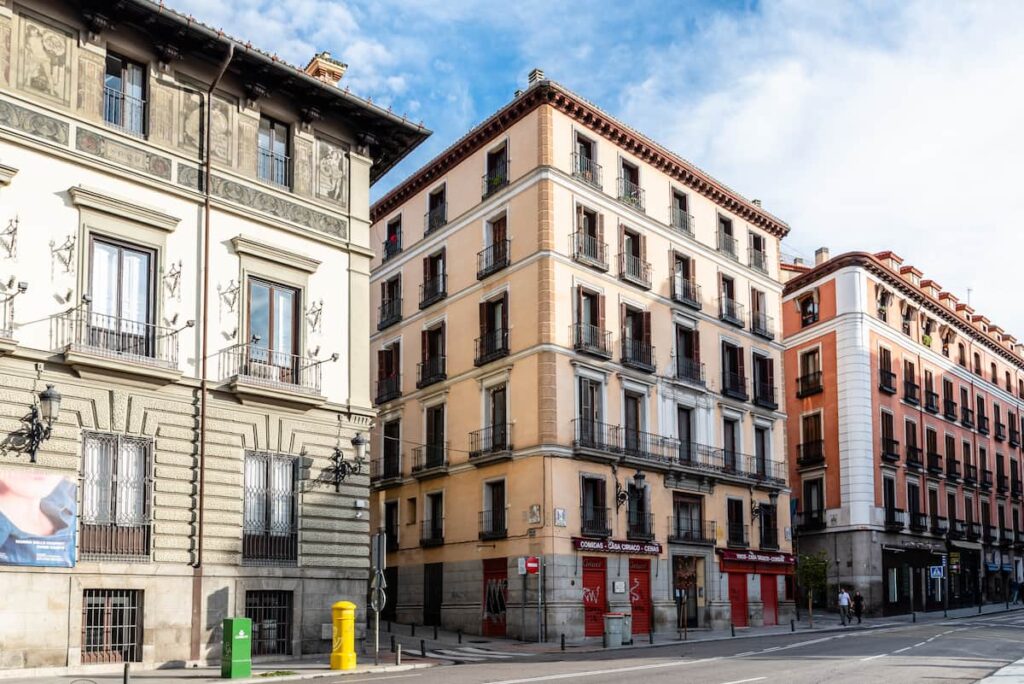
That is one reason the history of Madrid matters beyond the city itself. Madrid’s rise mirrors the consolidation of royal authority in early modern Spain, and later its expansion reflects wider shifts in Spanish society, from imperial wealth and artistic patronage to modernization, conflict and cultural reinvention. In practical terms, if you want to understand Madrid Spain history, the capital is really a condensed version of the country’s wider story.
What are the most important periods in the history of Madrid?
Islamic Mayrit and the medieval settlement
Madrid’s first chapter begins under Muslim rule. In the ninth century, the Umayyad emir Muhammad I ordered a fortress to be built here, guarding a vulnerable frontier. This early settlement, known as Mayrit, was small, practical and defined by its relationship to water and defense.
In the eleventh century, Christian forces took control of the town. But Madrid was still far from greatness. It remained a relatively minor place for generations. And that is part of what makes its rise so fascinating. Unlike capitals born from ancient empire, Madrid became important later.
Habsburg Madrid and the rise of the court city
The arrival of Philip II transformed Madrid from provincial town into royal capital. Under the Habsburgs, it began to assume the character that still lingers in the old center today. This was the age in which plazas, churches and administrative buildings gave shape to a new urban identity.
Nowhere is that more visible than in Plaza Mayor. Surrounded by arcades and steeped in ceremony, it became one of the defining spaces of the city. Here, public life unfolded in full view: markets, celebrations, announcements and spectacle. This was Madrid becoming conscious of itself.
Bourbon Madrid and a city of order and ideas
A new dynasty brought a new vision. Under the Bourbons, Madrid was reshaped with a greater sense of order, refinement and public purpose. This was the city of enlightened reform, of institutions, boulevards and cultural ambition.
It was in this period that the building now known as the Prado was conceived. Originally designed for science, it would later become one of the great museums of the world. That transformation tells us something important about Madrid. It is a city in which politics, knowledge and art have long been intertwined.
Modern Madrid and the memory of a nation
Madrid’s more recent history is not only found in government buildings or monuments, but in the museums and public spaces that carry the memory of modern Spain. The city reflects upheaval, reinvention and cultural change. It has absorbed conflict and emerged with a stronger sense of itself.
This is why Madrid feels so layered. It is not frozen in one glorious period. Rather, it is a city where different centuries remain in quiet conversation. Medieval foundations, royal grandeur and modern cultural life all coexist, often on the same street.
Which historical sites in Madrid should you visit first?
Plaza Mayor
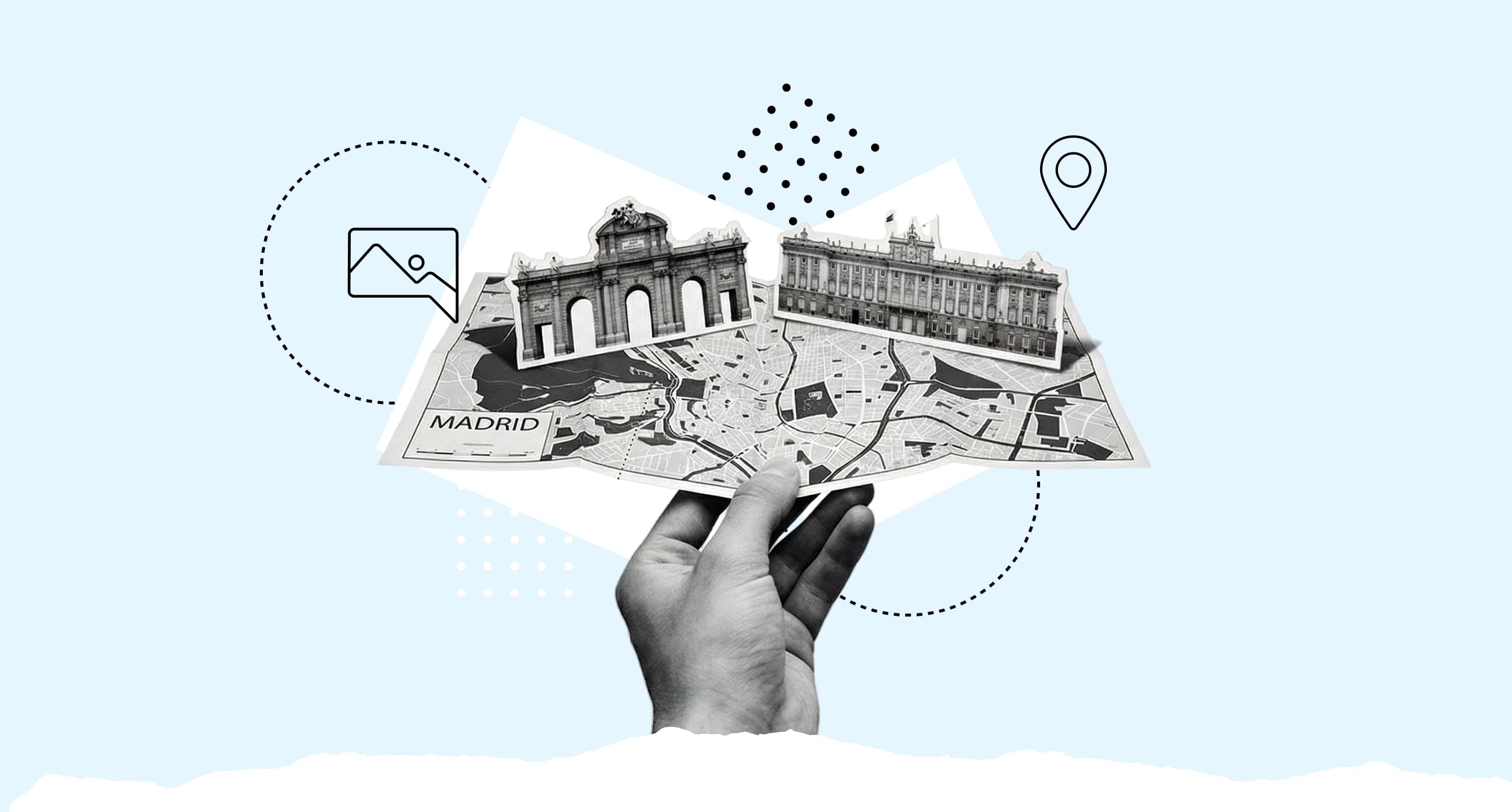
There are few better places to begin than Plaza Mayor. Here, in the heart of old Madrid, the city’s transformation into a capital becomes tangible. The symmetry, the scale and the enclosed grandeur all speak of a place designed to gather people beneath the gaze of power.
Royal Palace of Madrid
The Royal Palace is a statement in stone. Vast, formal and commanding, it reflects the authority of the Spanish monarchy and the ceremonial life that once radiated from the court. This incredible building is an expression of how Spain chose to present itself to the world.
Puerta del Sol
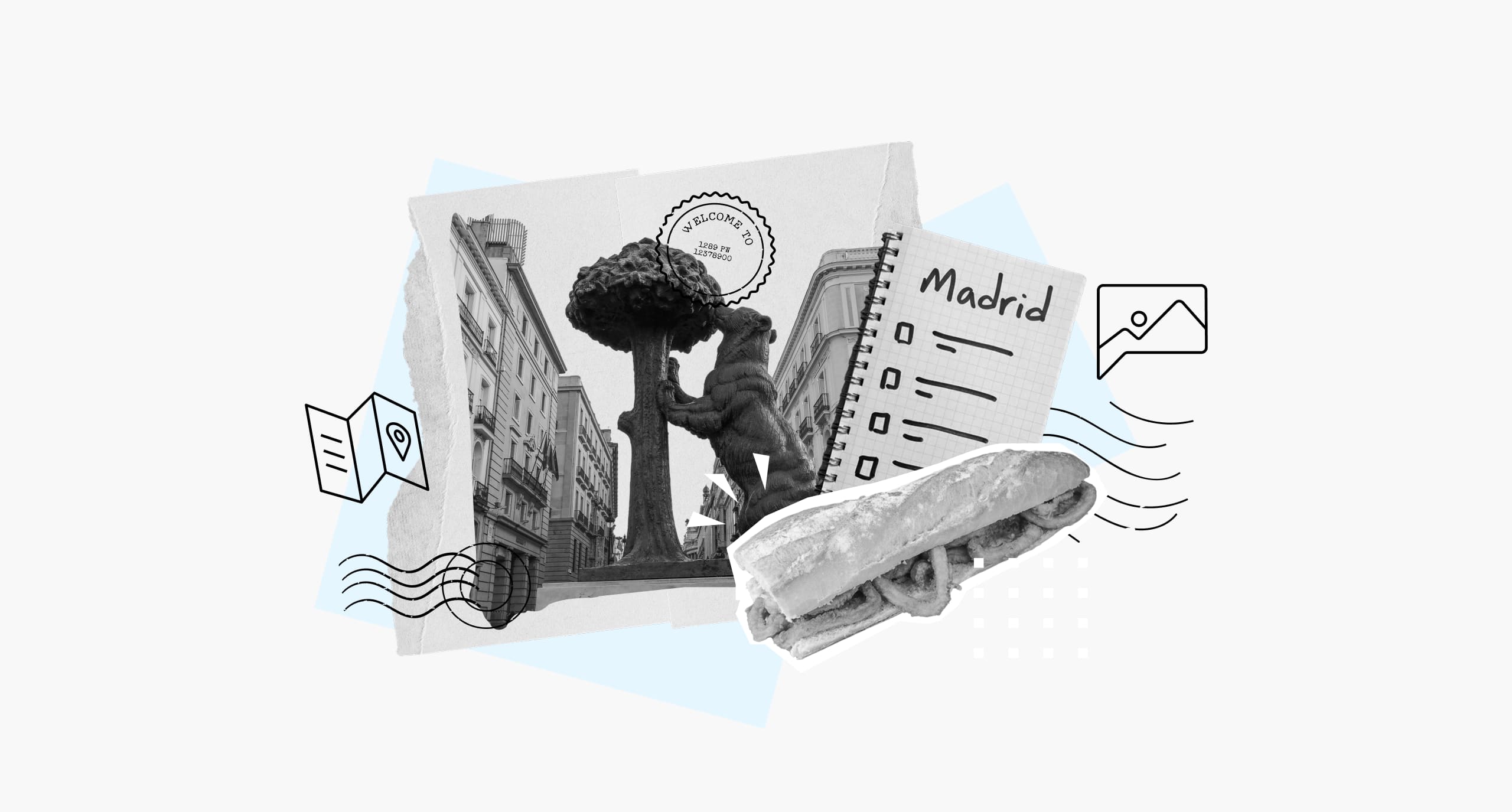
Puerta del Sol offers a different kind of history. Less regal, perhaps, but no less important. It is one of Madrid’s symbolic centers: civic, animated and alive with movement. Here, the pulse of the city feels closer to the everyday life of its people.
Museo de San Isidro
For those who want to understand where Madrid began, the Museo de San Isidro offers the earliest clues. It traces the city’s origins and places its rise into a broader historical frame. Before the palaces and grand avenues, there was a settlement shaped by terrain, water and strategy.
Museo del Prado
The Prado is essential because Spain’s history has so often been expressed through painting. Here, royal patronage, religion, empire and identity come into view through masterpieces that span centuries. To enter the Prado is to see history not merely explained, but embodied.
Reina Sofía
If the Prado tells the story of Spain’s past grandeur, the Reina Sofía carries that story forward into the modern age. It reveals a Madrid that is not only historic, but self-reflective: a capital willing to examine its own complexities through contemporary art and memory.
What can the history of Madrid add to your summer in Spain?
Learning the history of Madrid changes the way you move through the city. Streets stop feeling generic. Squares become political spaces. Museums become part of a national conversation. A palace becomes more than a photo stop. Even a short visit starts to feel more layered when you know how Madrid grew from Mayrit to court city to modern capital.
For students considering a summer in Spain, that matters. Madrid gives you access to major institutions, daily cultural immersion and a direct sense of how the country has evolved. That is part of what makes a program in the city such a rich experience.
It becomes a way to study in a place where history, art and contemporary global life meet in one walkable capital.

Want to get a full sense of Madrid with enough time to explore its history? Take a look through the programs offered at IE Summer School, both for undergraduate and master’s study, and start planning a unique stay in this historic city.

Benjamin’s writing is featured in the LAMDA Verse and Prose Anthology Vol. 19, The Primer and Moonflake Press. Benjamin provided translation for “FalseStuff: La Muerte de las Musas”, winner of Best Theatre Show at the Max Awards 2024.
Benjamin was shortlisted for the Bristol Old Vic Open Sessions 2016 and the Alpine Fellowship Writing Prize 2023.