Madrid works well as a base for seeing more of Spain. High-speed rail, regional trains and buses make it easy to leave the city in the morning and come back the same day. That is why so many of the best Madrid excursions are built around short, practical journeys rather than long travel days. Renfe’s Madrid-Toledo and Madrid-Segovia routes are especially straightforward, and Seville is connected to Madrid by Spain’s high-speed network too.
The best choice depends on how much time you have. Some places are classic first picks, such as Toledo and Segovia. Others work better if you want a slower day with fewer crowds, such as Chinchón or La Granja de San Ildefonso. And if you want to push further, a day trip to Seville from Madrid is possible by high-speed train, though it makes more sense as a very long day or one-night trip.
Toledo: the classic first day trip
If you only do one of the classic day trips from Madrid, Toledo is the easy place to start. UNESCO describes it as a city shaped by twenty centuries of history, set on a rock above the Tagus River, with a remarkably preserved historic cityscape. That is what makes Toledo feel so complete. You can walk through a compact old city and still move across Roman, Islamic, Jewish and Christian layers in a single afternoon.
From Madrid, Toledo is simple by train. Renfe’s official route page shows regular service from Madrid Puerta de Atocha to Toledo, with early departures that help you make a full day of it. Once there, focus on the old town itself rather than racing between too many stops.
The streets are steep, the viewpoints are strong and much of the reward comes from wandering.
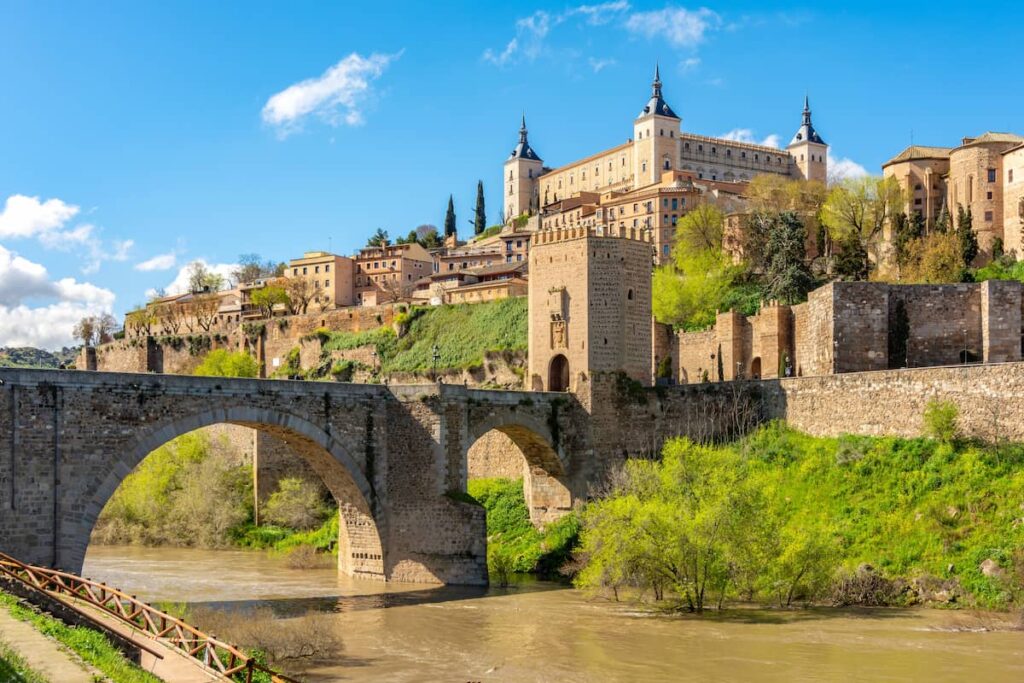
A good Toledo day includes the cathedral area, a walk through the old Jewish quarter and time for the city’s viewpoints over the river. This is one of the best day trips in Madrid for people who want history, atmosphere and a very manageable travel plan. It feels substantial without becoming complicated.
Segovia: for the aqueduct and a dramatic skyline
A Segovia day trip from Madrid is one of the easiest wins on this list. The AVE train can get you there from Madrid in around 30 minutes, though the Guiomar station sits about 6 kilometers from the city center, so you should factor in the extra transfer time at the end.
What makes Segovia special is that the headline sight is already unforgettable. The Roman aqueduct defines the city. Renfe’s official Segovia destination page also highlights the Alcázar and places it beside the aqueduct as one of the city’s main attractions.
Together, they give Segovia a visual drama that few short trips can match.
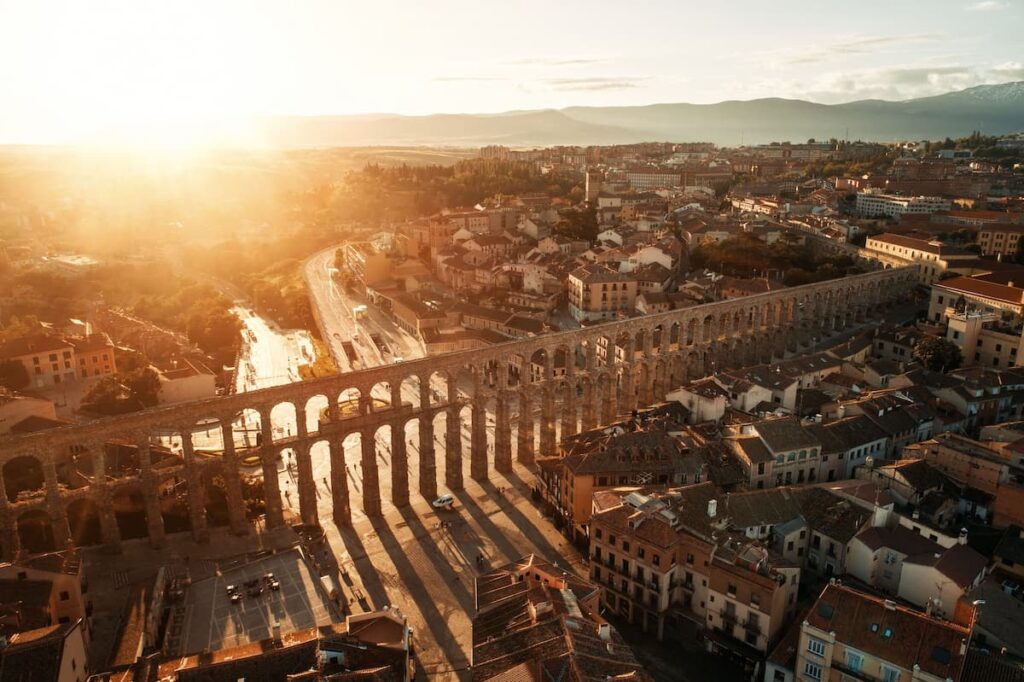
This is a good excursion if you want a tighter route. Start at the aqueduct, walk uphill through the old town, then finish at the Alcázar. If you have time, stop for the cathedral and a long lunch. Segovia works especially well for visitors who want one of the most efficient Madrid excursions by train, with a strong payoff the moment they arrive.
Chinchón: a slower day close to Madrid
Not every good trip from Madrid needs a major monument. Chinchón is a better choice when you want a quieter day and a more local scale. The town’s official tourism site describes it as being about 45 kilometers from the capital and frames Plaza Mayor as its standout landmark. That square is the reason most people come. It is irregular, arcaded and instantly memorable.
Chinchón works best as a half day or relaxed full day rather than a packed checklist. Spend time in the plaza, walk uphill through the old streets and visit the church of Nuestra Señora de la Asunción.
The appeal here is rhythm. You go for the setting, the food and the chance to see a smaller historic town without much effort.
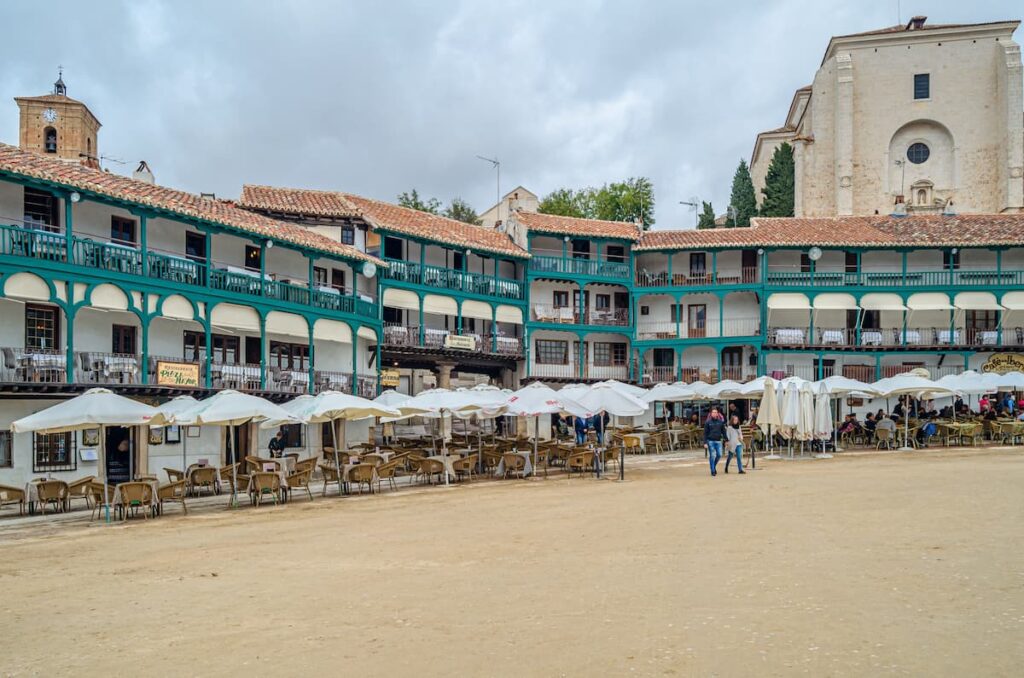
It also makes sense for students or visitors who are already busy in Madrid and want one of the easiest day trips from Madrid, Spain without committing to a long rail journey. Go by bus or car, stay unhurried and let the town do the work.
La Granja de San Ildefonso: gardens, palace and mountain air
La Granja is one of the better picks for people who have already done Segovia or want something more refined and less obvious. The Royal Palace of La Granja de San Ildefonso is one of Spain’s best examples of French-style gardens, close to the Sierra de Guadarrama. It is formal, green and slightly removed from the pace of Madrid.
The practical move is to pair La Granja with Segovia if you start early, or give it a full day of its own if you want more time in the gardens. Patrimonio Nacional also provides official visitor hours for the palace, which is useful if you are planning around a train or bus schedule.
This is one of the more elegant Madrid excursions on the list.
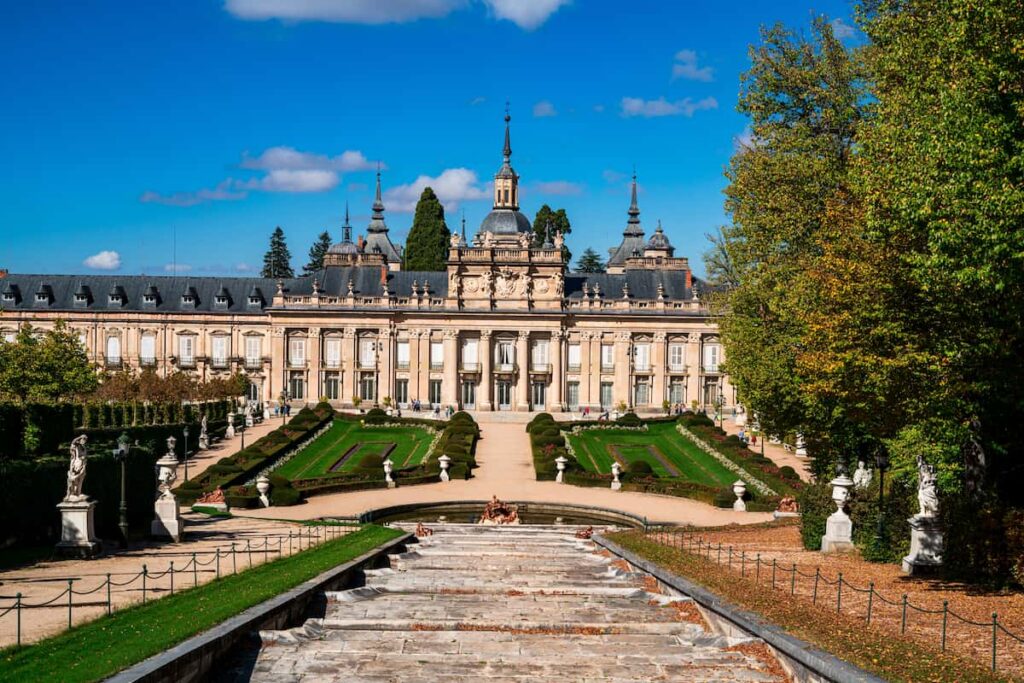
You go for royal history, wide garden avenues and a setting that feels different from the urban energy of the capital. It suits travelers who want architecture and landscape together, not just a quick photo stop.
El Escorial: a serious historical stop
San Lorenzo de El Escorial is one of the strongest history-focused trips near Madrid. Patrimonio Nacional’s official information places the Royal Site in the Guadarrama area and provides transport guidance from Madrid, including road access and rail connections.
The monastery is the main reason to go. It is large, austere and deeply tied to the history of the Spanish monarchy. This is not the most playful excursion on the list, but it may be the most imposing. If Toledo feels layered and Segovia feels cinematic, El Escorial feels deliberate.
It rewards visitors who want context, scale and a quieter pace.
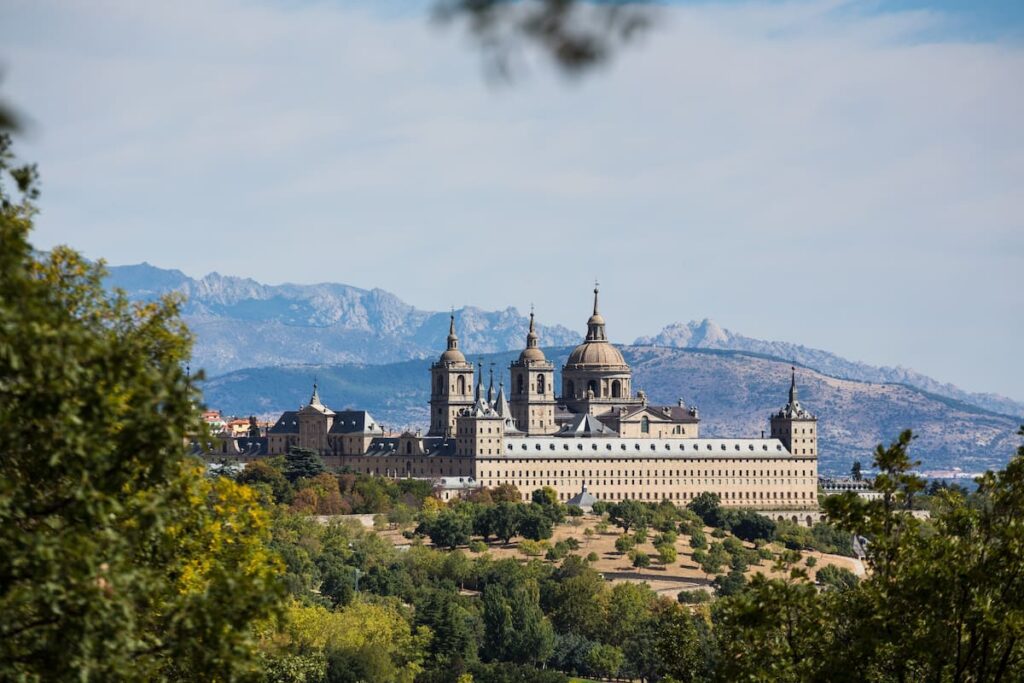
This trip works well in cooler weather and for anyone interested in statecraft, religion and architecture. It is also one of the easiest options to fit into a stay in Madrid because transport is so direct.
Aranjuez: royal landscape south of Madrid
Aranjuez is another strong option if you want something historic without going far. The Royal Palace of Aranjuez forms part of the Aranjuez Cultural Landscape, which UNESCO recognizes as a World Heritage Site.
The appeal is broader than the palace alone. Aranjuez is about designed landscape as much as architecture. Gardens, river setting and royal planning all shape the visit.
It makes a good alternative to Toledo if you prefer open space and a calmer pace over dense medieval streets.
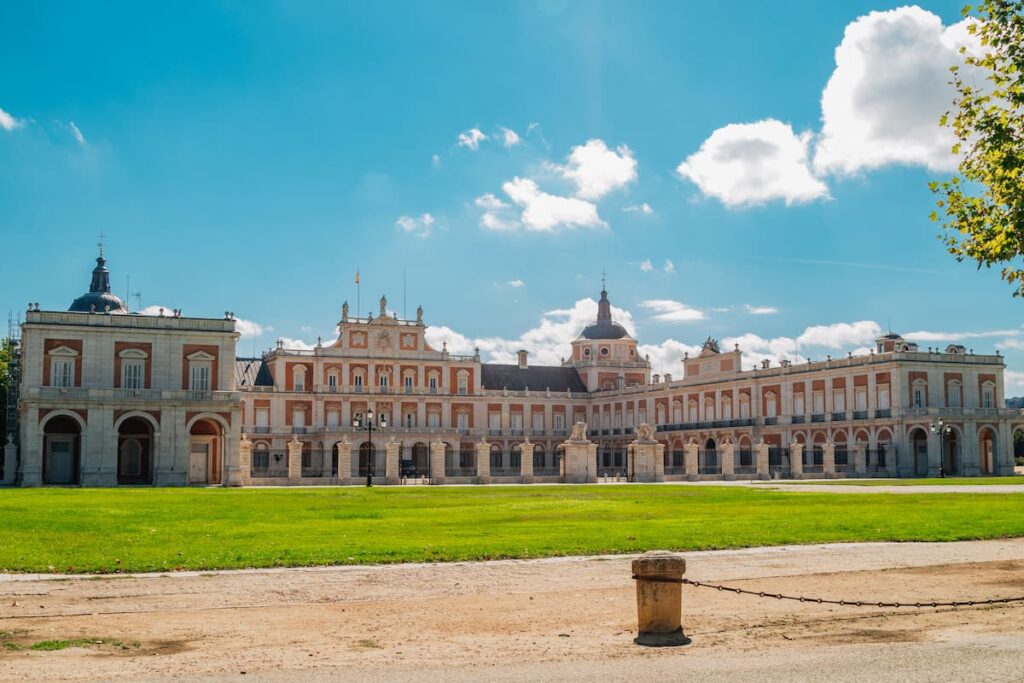
This is a smart pick for spring and early summer. It is also one of the more balanced day trips in Madrid because you can see a major royal site without turning the day into a logistical project.
Seville: the longer-distance option from Madrid
A day trip to Seville from Madrid is possible, thanks to high-speed rail into Santa Justa station. There is a strong AVE train connection from Madrid, with Seville being an accessible high-speed destination.
That said, Seville is better treated as an ambitious excursion or an overnight extension. There is a lot to see. UNESCO lists the cathedral, Alcázar and Archivo de Indias together as a remarkable monumental complex in the heart of the city.
And you’ll be amazed by how walkable the center is, meaning you can easily navigate between the sights.
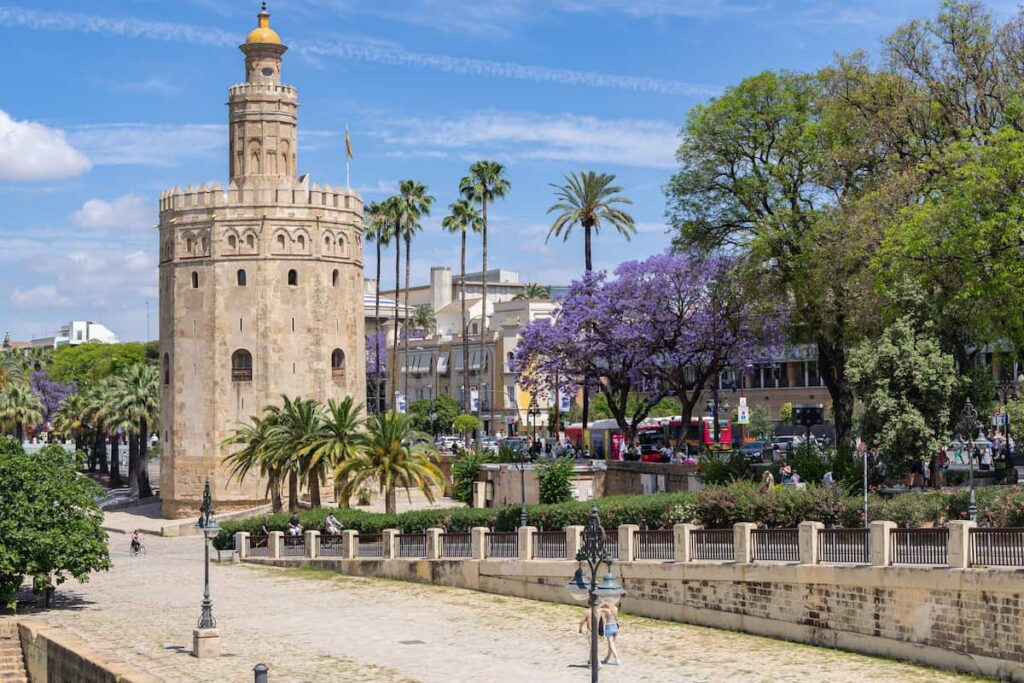
If you do go, keep the plan tight. Focus on the cathedral and Giralda area, the Alcázar and a walk through the old center. This gives you a sense of Seville’s scale and character without trying to conquer the whole city in one sweep. Among all the possible Madrid excursions, this is the one that feels most like a bonus chapter.
How to choose the right Madrid excursion
1. Choose Toledo if you want the most rounded history day.
2. Choose Segovia if you want the easiest visual payoff.
3. Choose Chinchón if you want something close and slower.
4. Choose La Granja, Aranjuez or El Escorial if royal sites and historic landscapes sound more appealing.
5. Choose Seville if you are willing to travel further for a bigger shift in atmosphere.
The good thing about staying in Madrid is that you don’t have to choose between city life and wider travel. You can keep Madrid as your base, then build outward one day at a time. That makes the capital especially useful for students, summer visitors and anyone who wants to understand more of Spain without moving hotels every other night.
Interested in spending some meaningful time abroad in Spain? Find out more about IE Summer School and see how you can hone your professional skills with world-leading education.