Becoming a CMO is no longer about simply climbing the marketing ladder. Today’s chief marketing officers are expected to understand brand, growth, data, customer experience, technology, revenue and business strategy. The role has expanded. So too has the path to getting there.
For some professionals, becoming a CMO means moving through traditional marketing leadership roles inside one company or sector. For others, it means building a broader portfolio across agencies, startups, consulting, product marketing, growth marketing or even fractional leadership. While there is no single route, those wondering how to become a CMO should start by building the right mix of strategic vision, commercial fluency and leadership experience.
What does a CMO actually do?
A chief marketing officer leads the marketing vision of a company. That usually includes brand strategy, customer acquisition, communications, market positioning, demand generation, product marketing, customer insights and growth.
In many organizations, the CMO is also closely involved in revenue strategy, sales alignment and digital transformation.

It’s important to bear in mind that the digital age is shaping new-age CMOs. A CMO must now understand how people discover, evaluate and choose a brand across many channels. That includes search, social, paid media, content, events, communities, partnerships, CRM, automation, customer experience and increasingly AI-powered discovery.
The best CMOs now help define where the company is going and how the market should understand its value. They translate business goals into a brand and growth strategy that people inside and outside the company can believe in.
Core areas of expertise for a new-age CMO: Summarized
1. Brand strategy
2. Customer acquisition
3. Communications
4. Market positioning
5. Demand generation
6. Product marketing
7. Customer insights
8. Growth
9. Social media
10. Paid media / Performance
11. Customer experience
12. CRM
13. Automation
14. AI-powered discovery
How do you become a CMO?
To become a CMO, you need to build experience across strategy, execution and leadership. Most CMOs start in a specialist area such as brand, communications, digital marketing, product marketing, growth, performance, content or sales enablement. Over time, they move from managing channels to managing teams, budgets and business outcomes.
The key shift is from “doing marketing” to leading marketing as a business function. That means understanding how marketing affects revenue, customer loyalty, market share, reputation and long-term growth.
You need to show that your work generates visibility while creating measurable value for the organization.
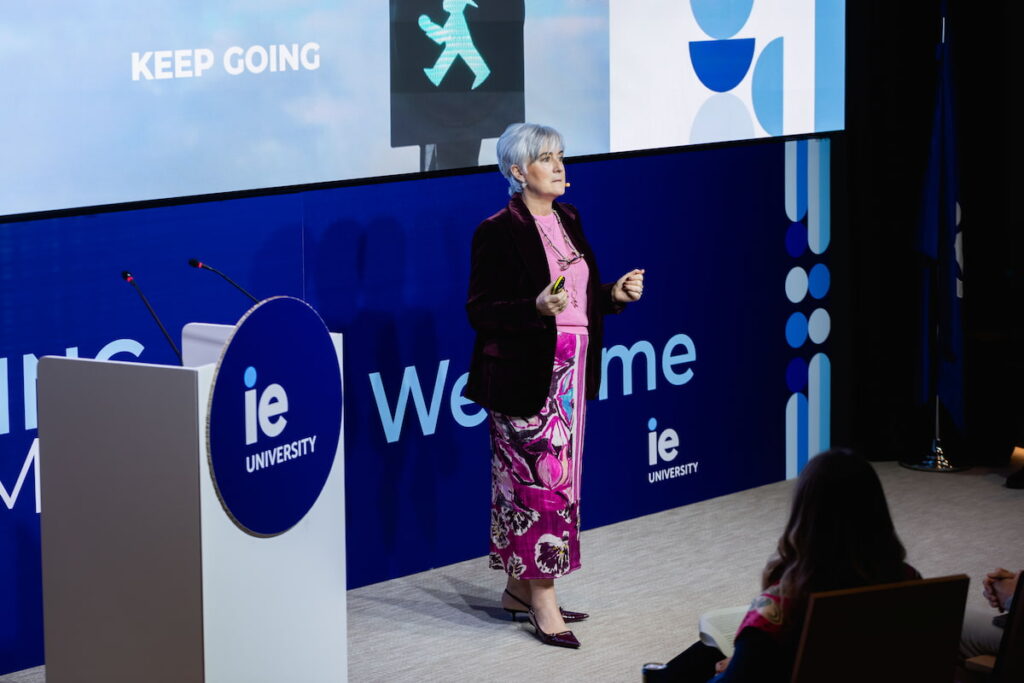
A strong path toward becoming a CMO usually includes managing people, owning strategic projects, presenting to senior stakeholders and working closely with sales, product, finance and leadership teams. The more you can connect marketing decisions to business performance, the closer you move to the CMO level.
How long does it take to become a CMO?
There is no fixed timeline, but many professionals take around 10 to 20 years to become a CMO. The exact timing depends on the size of the company, the sector, the speed of your progression and the roles you take along the way. In startups or fast-growth companies, the path can be shorter. In large corporations, it usually takes longer.
What matters most is not only the number of years but the quality of your experience. Someone who has managed budgets, led teams, launched products, built brands and influenced revenue may move faster than someone who has stayed in a narrow specialist role for many years. If you are asking how long does it take to become a CMO, think less in terms of age and more in terms of milestones. Have you owned a marketing strategy? Have you led people? What significant budgets have you managed? Have you shown business impact? Have you earned trust at leadership level?
You may also consider becoming a Fractional CMO on your journey to the C-Suite.
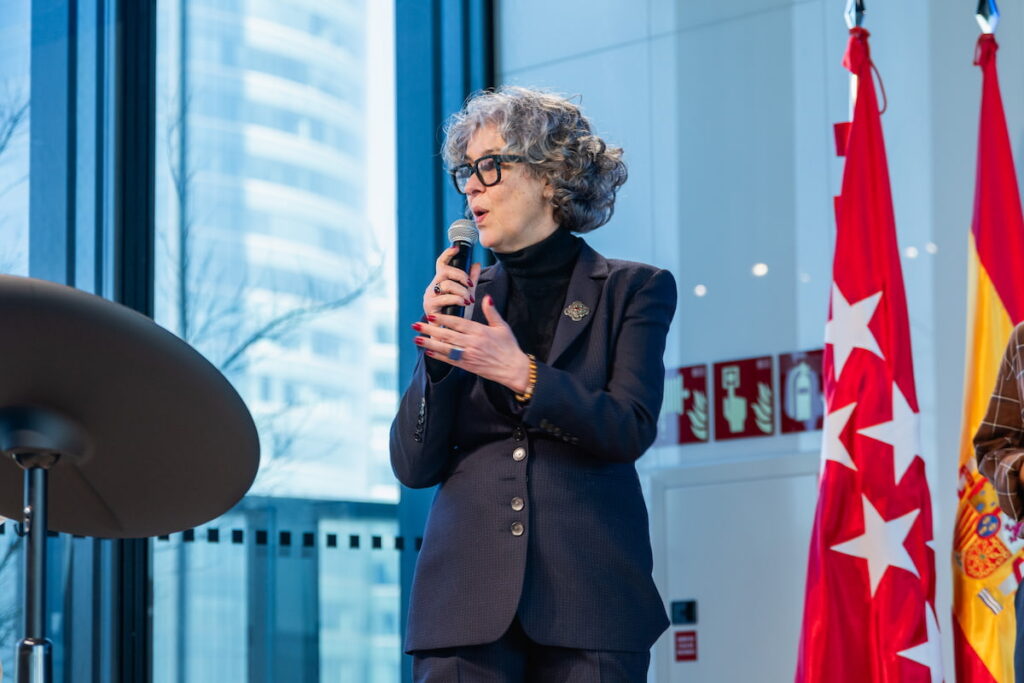
A Fractional CMO is a senior marketing leader who works with companies on a part-time, contract or advisory basis. Instead of serving as a full-time executive for one organization, they may support several businesses at once. This model is especially common among startups, scaleups and small or medium-sized companies that need strategic marketing leadership but are not ready to hire a full-time CMO.
If you are wondering how to become a Fractional CMO, the first requirement is credibility. Companies hire an fCMO because they need senior-level judgment, which means you usually need strong experience in marketing strategy, team leadership, growth planning, positioning, customer acquisition and executive communication. You also need to think like a consultant and operator at the same time: diagnosing problems quickly, creating practical marketing plans and helping teams execute. The role is not just about giving advice. It is about bringing clarity, structure and momentum to businesses that need marketing leadership now.
What career paths can lead to becoming a CMO?
There are several valid paths to becoming a CMO. Some professionals come from brand strategy or communications. Others come from performance marketing, product marketing, growth, content, sales, consulting or agency leadership. What matters is how well you expand beyond your original specialty.
A brand-led marketer may need to strengthen their data and revenue skills. A performance marketer may need to develop broader brand and customer experience thinking. A content or communications leader may need to show stronger commercial ownership. Each path has advantages, but each also has gaps to close.
The most successful future CMOs often combine several perspectives. They understand the emotional power of brand, the precision of data, the discipline of revenue growth and the operational reality of leading teams. That combination is increasingly what separates a senior marketer from a true CMO candidate.
Core career paths to become a CMO: Summarized
1. Brand strategy
2. Communications and PR
3. Performance marketing
4. Growth marketing
5. Demand generation
6. Product marketing
7. Digital marketing
8. Content strategy
9. Customer experience
10. Sales enablement
11. Agency strategy
12. Marketing consulting
13. Startup leadership
14. Revenue or commercial leadership
What education can help you become a CMO?
There is no single degree required to become a CMO. Many marketing leaders study business, marketing, communications, economics, psychology, data analytics, media, technology or related fields. What matters most is building a strong foundation in how markets, customers and organizations work.
Advanced education can help if it expands your strategic and leadership capabilities. An MBA, executive master’s or specialized program in marketing, digital transformation, business analytics or leadership can be valuable, especially if you want to move from execution into senior management. The right education should help you connect marketing with business strategy through real-world projects, data-driven decision-making, customer insight, innovation, leadership and cross-functional collaboration.
If you want to take your CMO venture seriously, you may start with our Executive Master in Strategic Marketing & Communication.
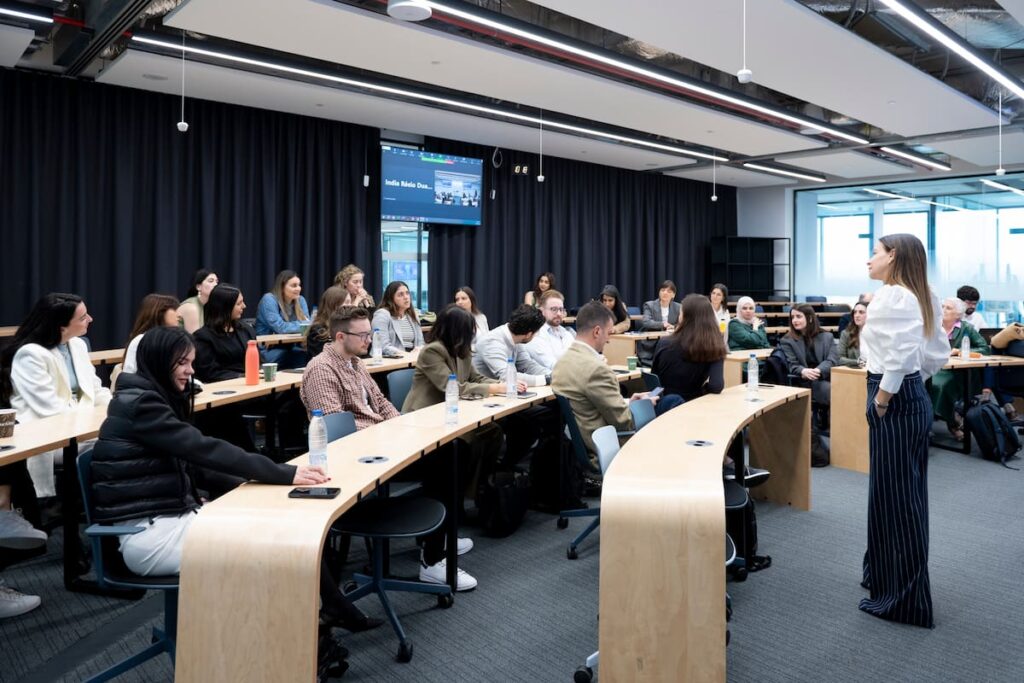
Brought to you from world-famous IE Business School, this program helps you move from marketing specialist to strategic leader. The program strengthens your understanding of marketing, communication, branding, reputation, digital strategy and business management, giving you the broader perspective modern marketing executives need. If you want to become a CMO, that 360-degree view matters: you need to know how to reach audiences, shape perception, drive growth and lead across the business.
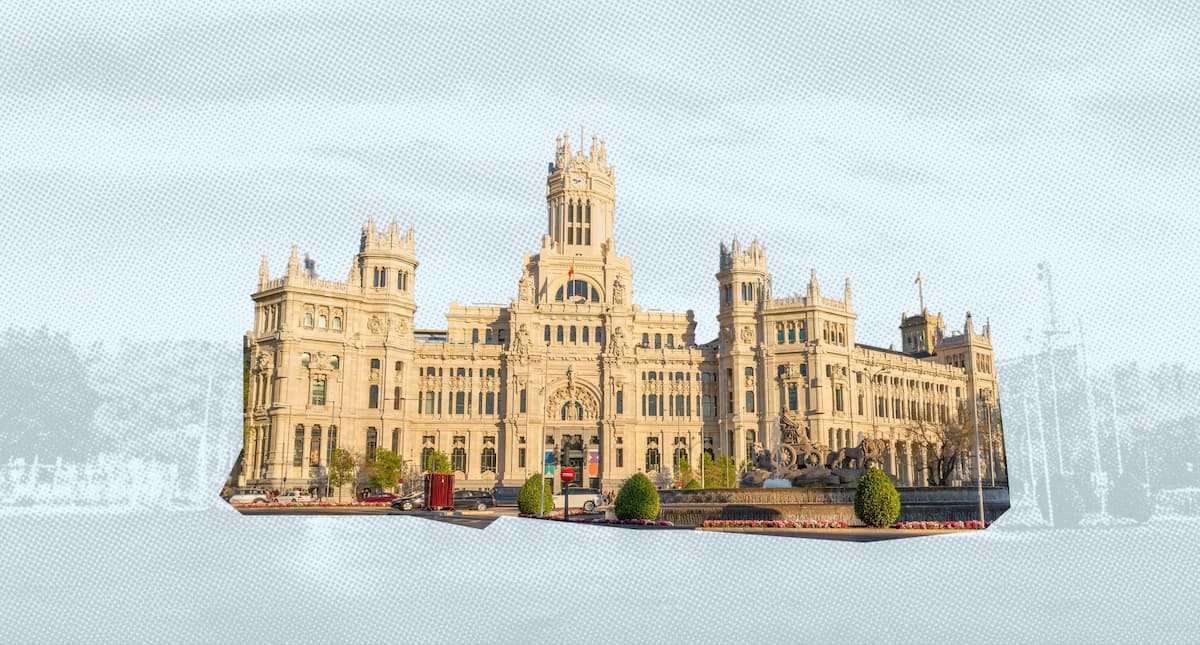
You can also keep building your career while you study. The 15-month, part-time blended format combines online learning with face-to-face periods in Madrid, so you can apply new ideas directly to your work. Through practical learning, real-world case studies and a final project focused on a real communications challenge, you learn how to connect strategy with measurable business impact.
If your goal is to become a new-age CMO, an fCMO or a senior marketing and communication leader, this program gives you the tools to move forward with clarity. You build strategic, analytical and leadership skills alongside international professionals from different industries. The CMO path takes time, but the right executive education can help you grow your credibility, expand your network and lead with more confidence.