Having a productive summer doesn’t have to mean spending your whole time working.
When summer comes around at the end of a busy academic year, we all need a break. At the same time, many students feel the pressure to fill their time with productive summer ideas to ensure they keep building their resume and professional credentials.
But being productive doesn’t have to mean chaining yourself to a desk for three months. With a bit of smart planning, you can build work, study and rest into your summer, without having to sacrifice one for another. Think of it as a modular summer: a way to combine all three elements by breaking it down into structured, manageable blocks.
A modular summer means you can add some experience to your profile while still enjoying a meaningful break. So rather than wondering “How hard do I have to work this summer to stay competitive?” you can reframe it as “How can I plan my summer to help me grow in different ways?”
How to have a productive summer? Plan in blocks
It’s time to rethink productivity. Summers don’t have to be just one long commitment. Instead, you can divide your time into blocks, each with its own focus and opportunity for growth and professional development. For example:
• Block 1 (4 weeks): an internship or summer job
• Block 2 (2-3 weeks): a university summer program or other study opportunity
• Block 3 (2-3 weeks): travel and quality time with friends and family
• Block 4 (1-2 weeks): rest and reflection
If you’re flexible with your time, you’ll find it easier to take advantage of different opportunities as they come up without locking you into a single path.
Summer jobs for students: Work that builds more than your resume
Internships are a great way to gain real industry experience and build a resume. Check on LinkedIn and company websites for opportunities, and don’t forget to check in with your university’s careers service, because they often advertise opportunities that don’t appear on public channels.
If you want to expand your search, there are other ways to get hands-on learning while also building some highly transferable skills:
• micro-internships (lasting anywhere from a day up to four or five weeks)
• part-time seasonal jobs
• research assistant positions
• volunteering opportunities
• freelance work
These options will all look impressive to future admissions teams and employers, and will also develop essential emotional intelligence skills, such as adaptability, communication, time management and financial independence.
It’s more about what you do with the time than how much time you spend; what matters most is being able to demonstrate tangible growth. If you can identify the skills you built, the problems you solved and the lessons you learned, even a short experience can have an impact on your future opportunities.
Studying over the summer: Academic exploration without the pressure
Taking a three-month break from studying can sometimes feel like losing momentum. Summer is a chance to dive deeper into your field or explore new areas you don’t have time for during term time. The difference is that you can do it without the pressure of exams and grades: it’s a low-stakes opportunity to enhance your learning.
And you will not be short of options. Here are just a few ideas:
• language courses
• coding bootcamps
• entrepreneurship programs
• design workshops
• university summer school
University summer programs are a chance to explore an academic environment and a field of interest before committing to a degree. You can clarify your interests and gain a firsthand glimpse into university life, while also connecting with other students from around the world and exploring a new city and culture.
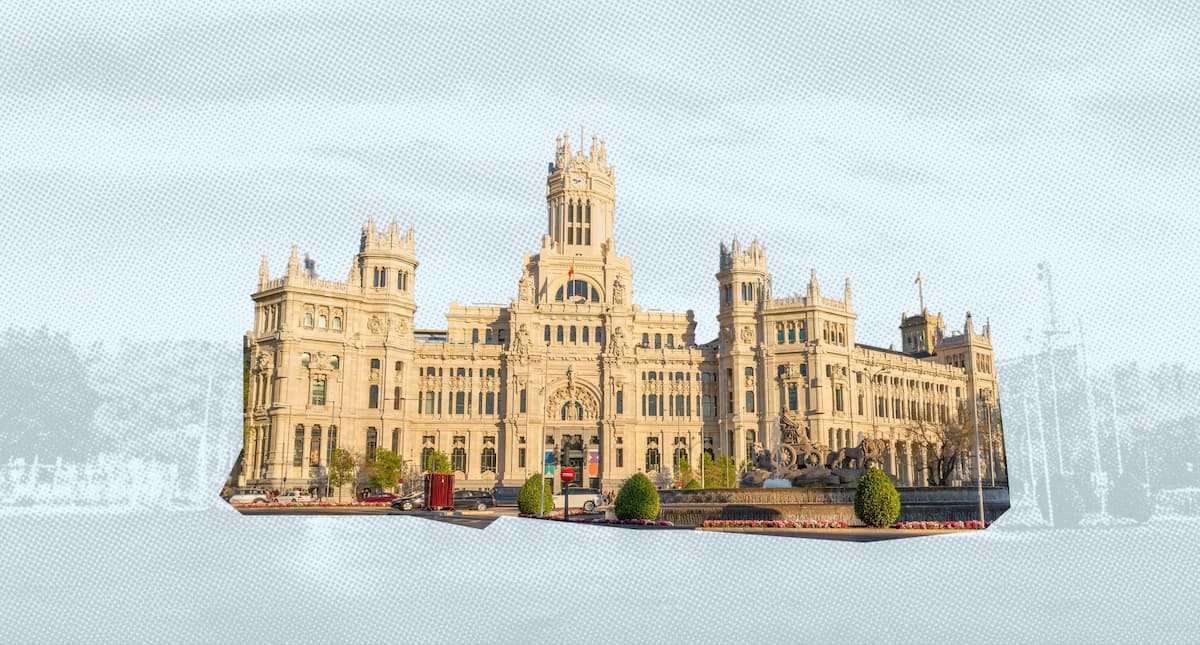
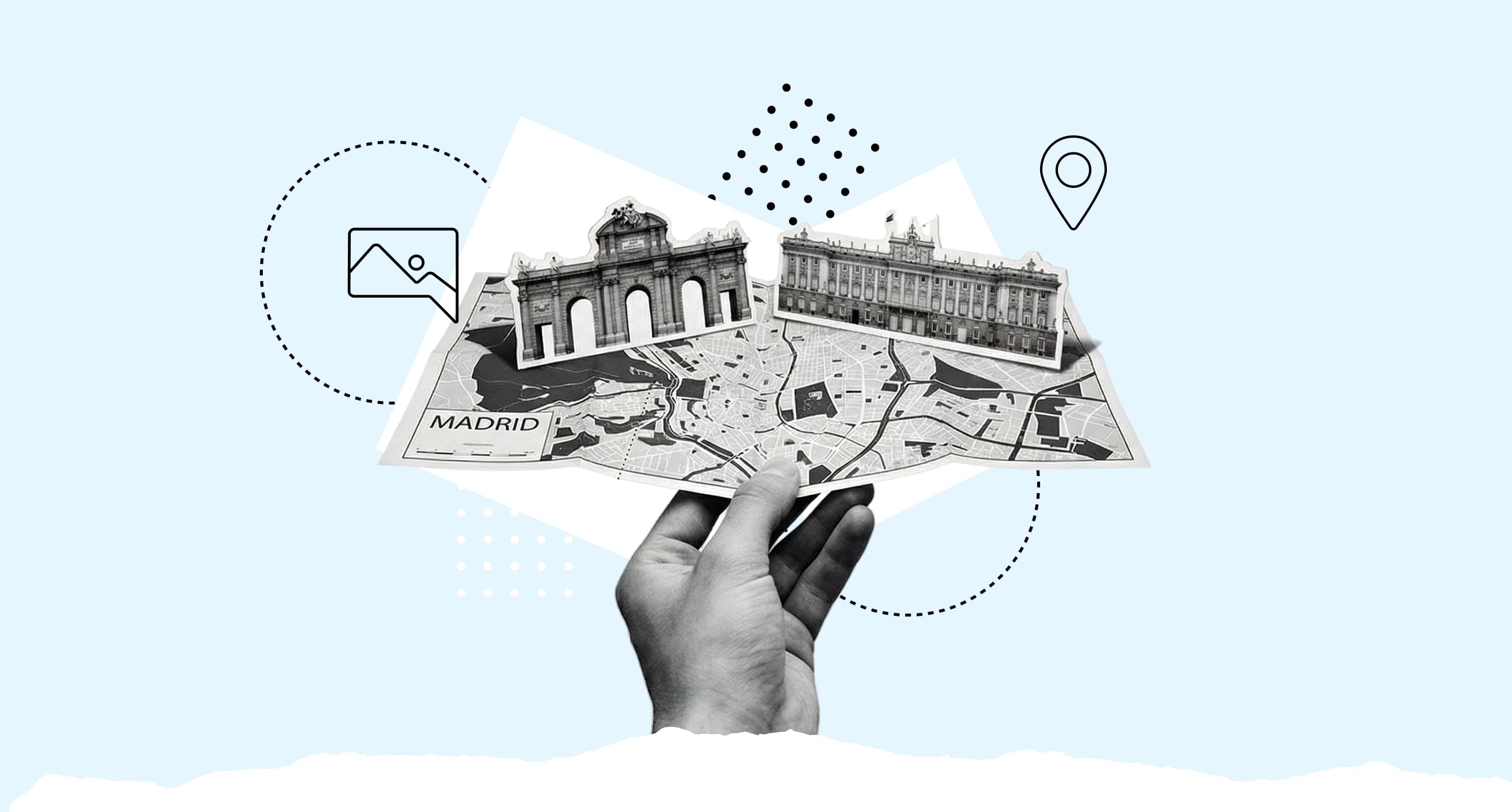
For example, participants in IE University’s Summer School experience life in Madrid alongside a group of global peers, balancing practical and collaborative projects with extracurricular and social activities to broaden both their academic and cultural perspectives.
Whatever you choose to learn, you can come away with new skills, fresh perspectives and a clearer idea of where you want to go next.
Travel with purpose: building a global perspective
Travel can be both restorative and productive. It can legitimately boost your skills and your profile, while still giving you a chance to rest. When you travel, you might be navigating unfamiliar places, problem-solving, building resilience and confidence, strengthening intercultural communication and much more. These are exactly the situations that lead to personal growth.
You could explore your own country, visit friends or family or go on a solo trip abroad. Or, you could combine work or study with travel: for example, a volunteering placement or language course abroad with some travel time tagged on at the end.
Wherever you go, spending some time in a different environment will help broaden your mindset and cultural awareness. Many opt for student travel in Europe: imagine spending a couple of weeks in a city like Madrid, where you can immerse yourself in a new culture, meet new people and experience life through a different lens. These kinds of stories and perspectives often make for stronger applications than just another line on a resume.
Don’t forget to leave space to recharge and reflect
While productivity is the focus, planning time to recharge and rest is also important. The summer break should feel like a change of pace rather than another semester, so don’t forget to plan time for the things that help you switch off:
• hobbies
• time with family and friends
• exercise
• reading for pleasure
• or simply disconnecting
Resting isn’t a waste of time: it’s an essential way to avoid burnout and allow everything else you do to stick.
Your best summer doesn’t look like anyone else’s
The most productive summer is one that you design intentionally. You don’t need to have everything planned perfectly; just make choices that move you closer to where you want to be and the person you want to become.
Breaking your time down into manageable blocks keeps the door open for career exploration, skills development, travel and rest. Your future career is unique to you, and so is your summer. Making your summer intentional can set the tone for the next year and everything else to come.
Scott is editor-in-chief of Uncover IE and Senior Content Manager at IE University. He holds degrees in English Literature and Spanish from Saint Louis University and has spent more than a decade working in content strategy, editorial leadership, journalism and multilingual communications.