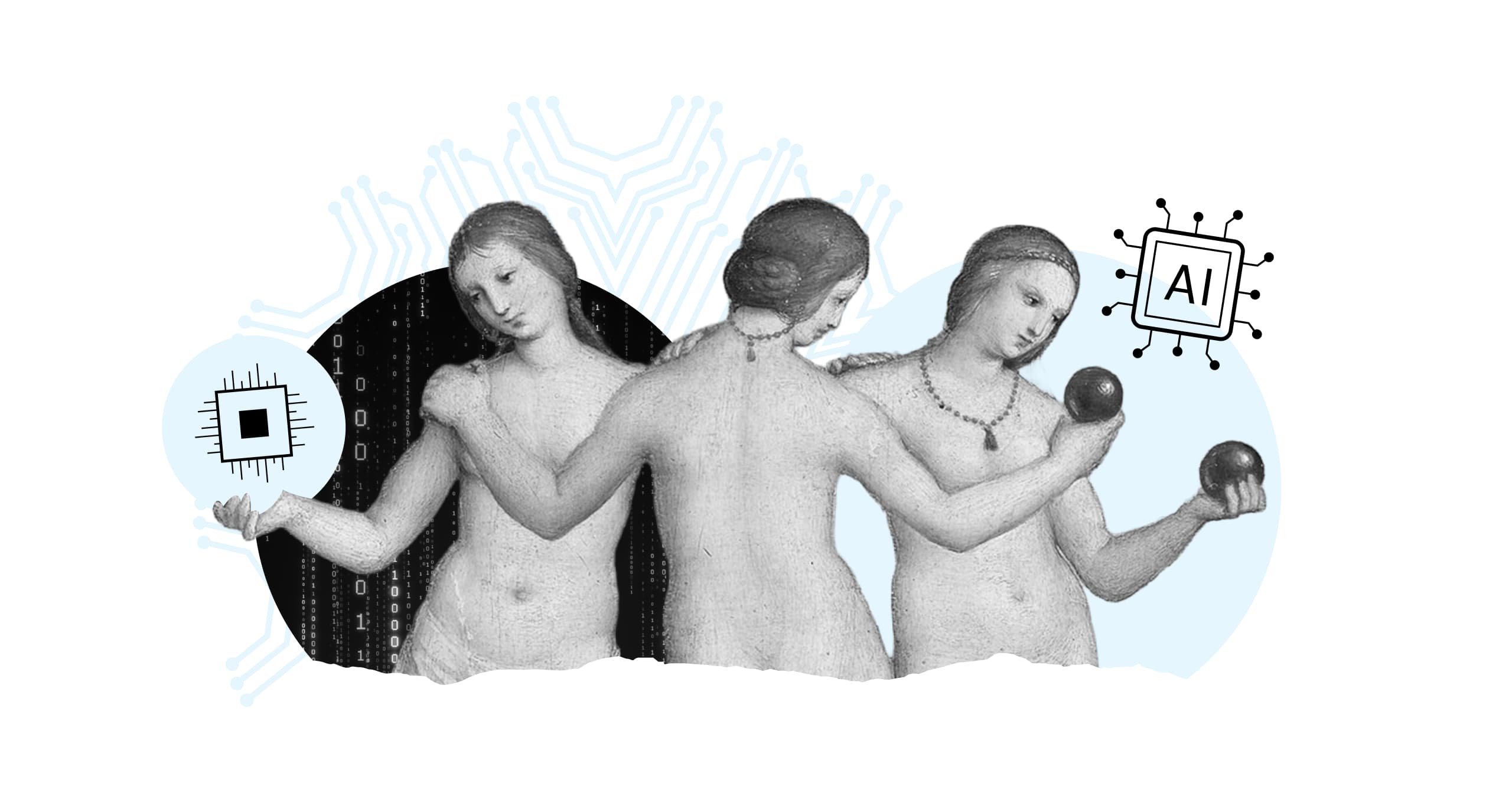
Artificial intelligence is changing how we create. It can already help us generate images, draft copy, edit video, summarize research and test ideas faster than ever before. However, that leaves a big question mark for students considering a communication and digital media degree: Is this still a smart field to enter?
How is AI changing creative careers?
AI is already embedded in creative careers, reshaping how ideas are developed and executed. It can generate visual directions, draft copy, suggest variations and accelerate production, making the early stages of creative work faster and more exploratory. As a result, AI has shifted the nature of the creative process, where speed and iteration are increasingly built into everyday workflows.
However, it is important to note that producing options is not the same as making decisions. AI does not understand brand purpose, cultural context or the emotional nuance that gives communication meaning. It cannot determine what should be said, why it matters or how it will be received. For this reason, creative careers are shifting away from execution alone and toward roles that require judgment, direction and strategic clarity.
This is why human creativity remains central. Communication is fundamentally about understanding people and translating that understanding into ideas that resonate. The most effective professionals will be those who can interpret audiences, shape narratives and guide AI-generated output into meaningful work. In this environment, value comes less from producing content and more from defining direction and making it land.
How does IE University bring AI into the classroom?
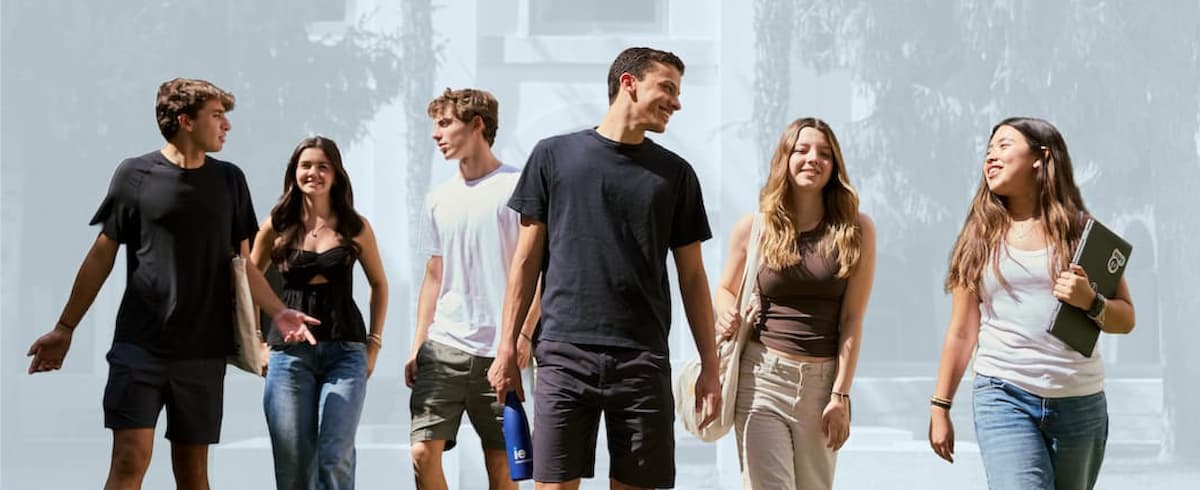
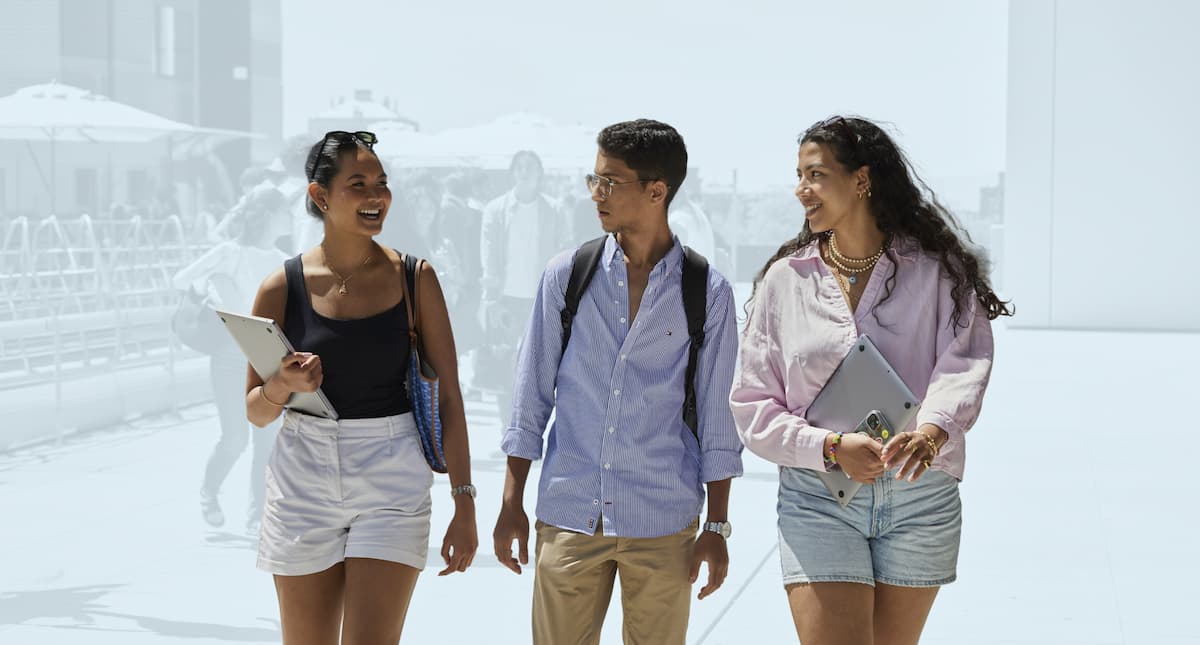
At IE University, students are encouraged to engage with technology as part of the learning process. In the Bachelor in Communication and Digital Media, the hands-on methodology connects classroom learning with practical projects based on real-world scenarios.
That means students are not only studying communication in theory. They are learning how to apply it in a changing media environment. For example, they work on projects such as short films, social media campaigns, YouTube channels and other creative formats, using the tools and technologies available to them at IE University.
This video shows some of the ways that IE University is using AI creative learning.
Why should future communication students embrace AI?
For students entering communication, branding, marketing or digital media degree paths, AI should not be seen as a threat to avoid. It should be seen as a skill to master.
The professionals who understand AI will be able to work faster, explore more ideas and make smarter creative decisions. They will also be better prepared to question AI outputs, identify bias, protect originality and use technology responsibly.
Understanding AI in today’s business climate is especially important in fields shaped by trust and influence. Communication professionals do not just make content. They shape how people understand brands, institutions, and culture. And in an AI-driven world, that responsibility becomes even greater.
What careers can graduates pursue?
Graduates of the Bachelor in Communication and Digital Media can pursue paths across advertising, branding, marketing, digital media, consulting, audiovisual production and creative industries. IE University also highlights opportunities in digital marketing, social media management, content creation, journalism, UX/UI design, digital project management, media production and public relations.
Although these careers are changing because of AI, they are not becoming irrelevant. Organizations still need people who can build brands, understand audiences, manage digital platforms, tell stories and create communication strategies that connect with real people.
In many ways, AI increases the need for hybrid profiles. Future communication professionals will need creative instincts, business awareness, technological fluency and the ability to adapt. That combination is exactly what modern communication and digital media education should develop.
Why should you choose the Bachelor in Communication & Digital Media
Communication and digital media continue to evolve alongside technology, creating new opportunities for professionals who understand creativity, audiences and digital platforms. As AI becomes part of the creative process, future communicators will need to know how to combine strategic thinking with technological fluency across industries such as branding, marketing, content creation, media production and digital storytelling.
At IE University, the Bachelor in Communication & Digital Media helps students develop practical experience through hands-on projects, collaborative learning and exposure to the tools shaping modern communication. Students work across creative formats while building the adaptability and digital mindset needed in a rapidly changing media environment.
For students interested in shaping campaigns, creating content, understanding audiences and exploring the future of digital communication, the program offers a chance to develop creative, strategic and technical skills in an international and innovation-driven environment.
Scott is editor-in-chief of Uncover IE and Senior Content Manager at IE University. He holds degrees in English Literature and Spanish from Saint Louis University and has spent more than a decade working in content strategy, editorial leadership, journalism and multilingual communications.