- Home
- News And Events
- News
- New Forms Of Governance For The Digital Age: A Workshop On Power, Platforms, And Democratic Accountability
New Forms of Governance for the Digital Age: A Workshop on Power, Platforms, and Democratic Accountability

On October 28, 2026, the Center for the Governance of Change (CGC) at IE University held a half-day thematic workshop on “New Forms of Governance in the Digital Age” at the IE Maria de Molina campus in Madrid, as part of the multiannual research program “The Digital Revolution and the New Social Contract”, now in its fourth and final year examining the social fractures of the digital revolution and the pathways for a renewed social contract.
The workshop was prepared and facilitated by Johan Linaker, Senior Researcher at RISE Research Institutes of Sweden and Adjunct Assistant Professor at Lund University, who leads this thematic strand of the research program and is the lead author of the policy recommendations that will emerge from the work.
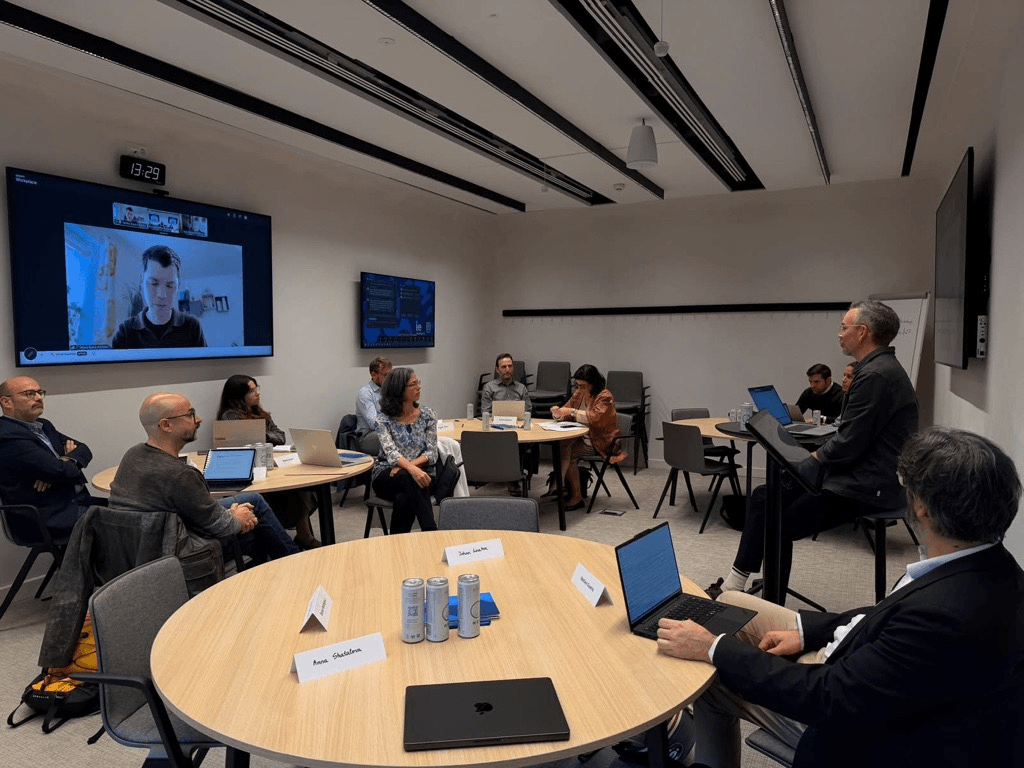
The discussion
Drawing on Elinor Ostrom's design principles for governing shared resources, participants examined concrete governance challenges across two structured sessions, held under the Chatham House Rule:
- Who should decide how platform data is used, and how much genuine say should the people affected by those rules have in shaping them?
- What does fair, accessible recourse look like when rules are broken or contested?
- How can end users gain greater agency over their data and the value it generates, without undermining viable business models?
- What would it take for a dominant provider’s refusal to follow common rules to have real consequences — especially across jurisdictions?
The first session focused on social media and communication platforms; the second extended the discussion to cloud infrastructure and AI systems, examining how governance challenges shift when the infrastructure at stake underpins entire economies rather than individual user interactions.
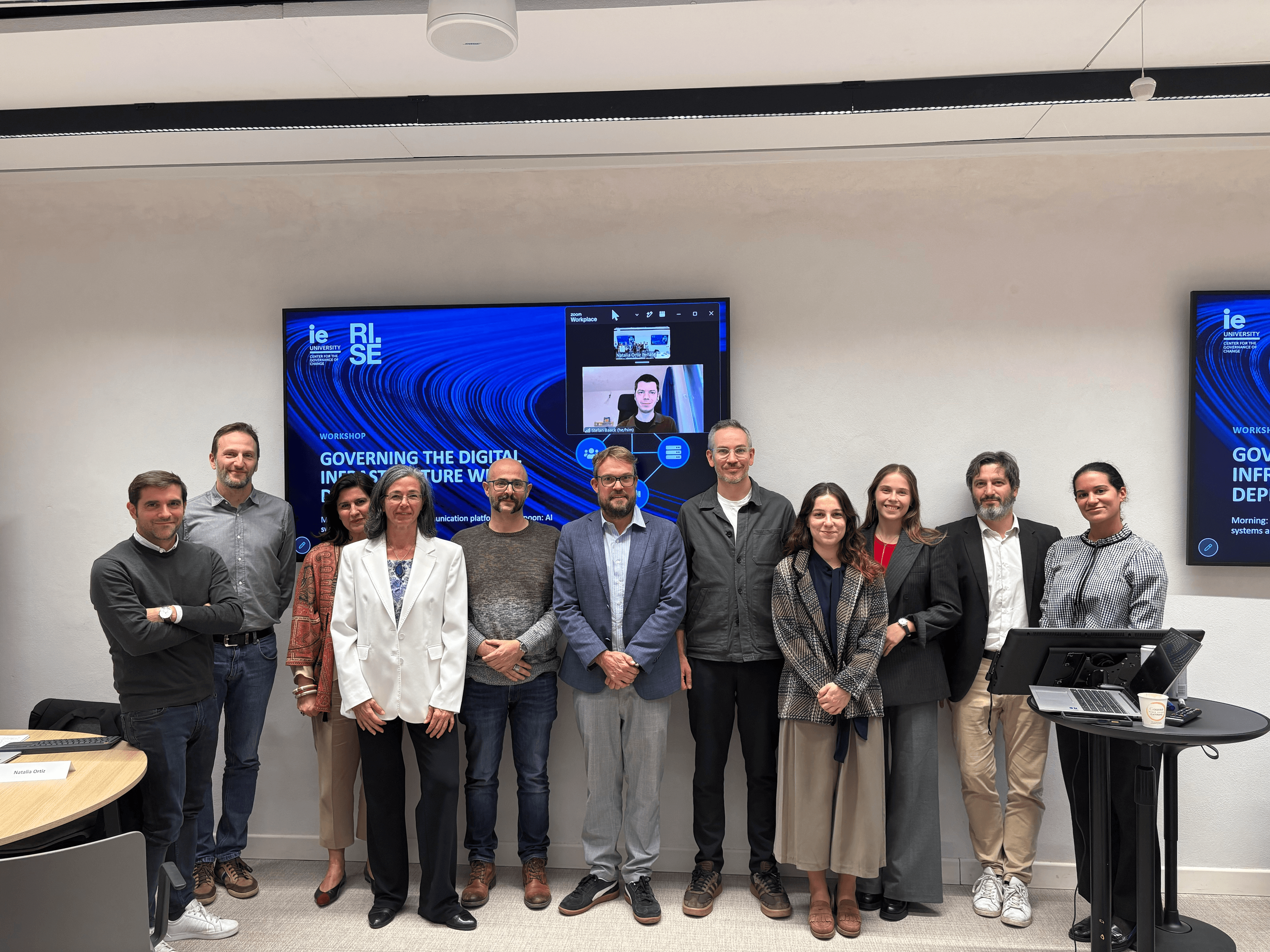
The discussion will feed directly into the development of concrete policy recommendations as part of the CGC's forthcoming publication 50 Recommendations for a New Social Contract, scheduled for March 2027.
Thank you to Johan Linaker for the preparation and facilitation of the workshop, to all participants for bringing their expertise to the table, and to the members of the project's Steering Committee — Miguel Otero Iglesias, Jen Schradie, and José Luis Martí — for their continued guidance in shaping this research. Participants were hosted by Irene Blázquez Navarro (CGC Director), Carlos Luca de Tena Piera (CGC Executive Director), and Natalia Ortiz Peñate (CGC Junior Project Manager).