So, you’re wondering why study international relations. Globalization means breaking barriers and communicating in a way we all understand. While it’s a relatively new field that studies the unique relationships between different countries and cultures, its professional fields affect economics, law, security and governance.
Read on to find key reasons to reinforce your choice.
What is international relations and why does it matter?
International relations is the study of how countries, governments and cultures interact. These relationships shape everything from economics and law to security, governance and global cooperation.
It’s also one of the most relevant fields you can study today. Issues like climate change, geopolitical conflict, global markets and human rights don’t exist in isolation—they are interconnected. International relations helps you understand how these forces shape the world around you.
So why study international relations? Because it gives you the tools to interpret, navigate and influence a globalized world.
Why study international relations?
Studying international relations gives you the tools to understand how the world works and where you fit within it. It combines global awareness with practical skills like analysis, communication and strategic thinking, opening doors to a wide range of international careers. Here are five key reasons why it’s a compelling field to study.
1. Numerous career options
One of the biggest advantages of an international relations degree is its flexibility. As you develop analytical, decision-making and interpersonal skills, you open doors across both the public and private sectors.
A strong understanding of global systems makes you valuable to organizations operating across borders.

Graduates go on to work in government, international organizations, NGOs and multinational companies, as well as in consulting, journalism and policy roles. Positions such as diplomat, policy advisor, political analyst or international business consultant are all common outcomes.
2. Develop key transferable skills
International relations equips you with skills that are relevant across industries and roles. You learn how to analyze complex situations, communicate clearly, work across cultures and approach problems from multiple perspectives.
Over time, you build confidence in public speaking, data interpretation, negotiation and conflict resolution.

These skills are transferable, meaning they remain relevant regardless of the career you choose. Whether you move into policy, business or another field entirely, the ability to think critically and communicate effectively gives you a long-term professional advantage.
3. Gain real-world experience
International relations is deeply connected to what is happening in the world right now. It focuses on global issues such as conflict, trade, climate change and human rights, helping you understand how different forces interact on an international scale.
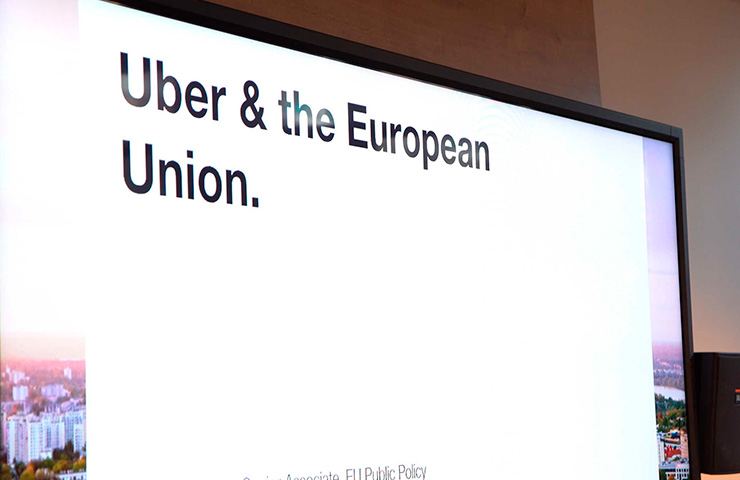
When taught properly, studying international relations gives you practical experience beyond theory. At IE School of Politics, Economics & Global Affairs visit top hubs for international relations, including a visit to Brussels to engage with European institutions and international organizations.
This helps you gain direct exposure to how global systems operate in practice.
You’ll also complete a Capstone Project with organizations in the public, private or nonprofit sectors. Over time, this way of thinking changes how you engage with the world. You begin to approach news, policy and global developments with a more analytical mindset, making connections between events rather than seeing them in isolation.
4. Be part of a global, collaborative field
International relations is inherently collaborative. Whether in diplomacy, business or policy, outcomes depend on teamwork, negotiation and shared understanding. The field emphasizes cross-cultural communication and cooperation, helping you understand how to navigate differences and build effective relationships. This ability is increasingly important in a globalized world where organizations operate across borders and cultures.
As a result, you develop not just technical knowledge, but also the interpersonal skills needed to work in diverse environments.
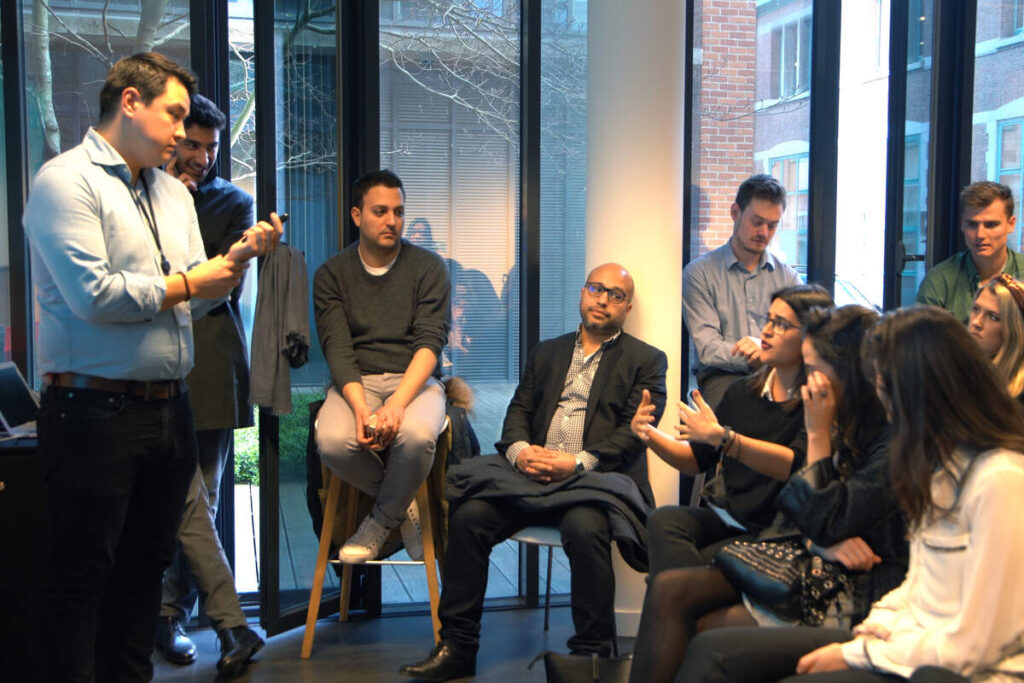
The Master in International Relations has you working your collaborative muscles all throughout the program, with a strong focus on group work inside the classroom. Studying at IE School of Politics, Economics & Global Affairs also gives you a great head-start on making connections with people from all backgrounds who are passionate about making a global impact, establishing a strong network that will nurture your career Throughout the program, you work closely with peers from diverse backgrounds, building both your collaborative skills and your global network. These connections often become a long-term professional advantage as your career develops.
5. Make a positive global impact
For many students, the biggest motivation for studying international relations is the opportunity to contribute to global challenges. The field focuses on issues such as human rights, sustainability, economic development and international security.
If you’re motivated by global issues, it offers a way to turn that interest into action.
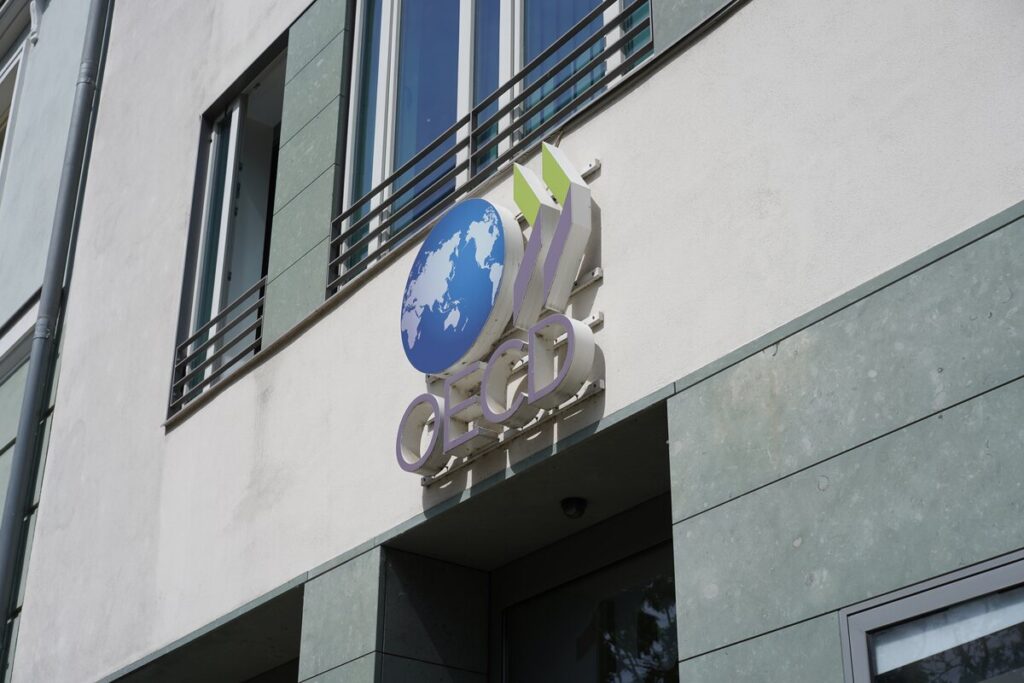
The Master in International Relations was designed in collaboration with the OECD gives you insight into how global organizations tackle social, economic and environmental challenges. From addressing inequality to shaping sustainable policy, international relations provides a pathway to meaningful impact.
A final thought
International relations is about understanding the complexity behind global decisions—and navigating them effectively.
It’s also about communication. As history has shown, even world leaders can get caught out when they forget how closely the world is listening. The Master in International Relations at IE School of Politics, Economics & Global affairs will put you at the forefront of societal change. With three specializations to choose from, our goal is to empower you in find the niche that fits. These include: Geopolitics and Diplomacy; International Economics and Business; and Global Governance and Cooperation.
If you want a degree that combines global relevance, career flexibility and real-world application, international relations is a strong choice. Discover how far your career can reach with the Master in International Relations at IE School of Politics, Economics & Global Affairs.
Benjamin’s writing is featured in the LAMDA Verse and Prose Anthology Vol. 19, The Primer and Moonflake Press. Benjamin provided translation for “FalseStuff: La Muerte de las Musas”, winner of Best Theatre Show at the Max Awards 2024.
Benjamin was shortlisted for the Bristol Old Vic Open Sessions 2016 and the Alpine Fellowship Writing Prize 2023.