Women make up roughly half of the global workforce but remain significantly underrepresented in executive leadership and business education. The barriers are well-documented, yet more and more women are choosing to return to an educational environment to assess and challenge their own capabilities.
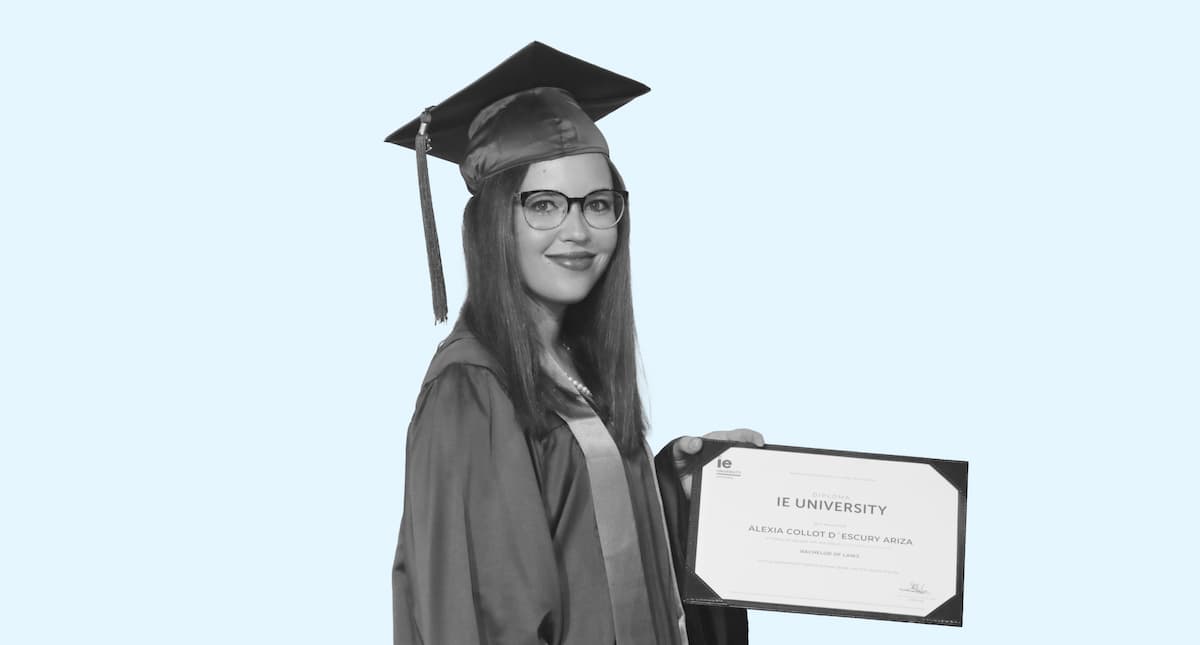
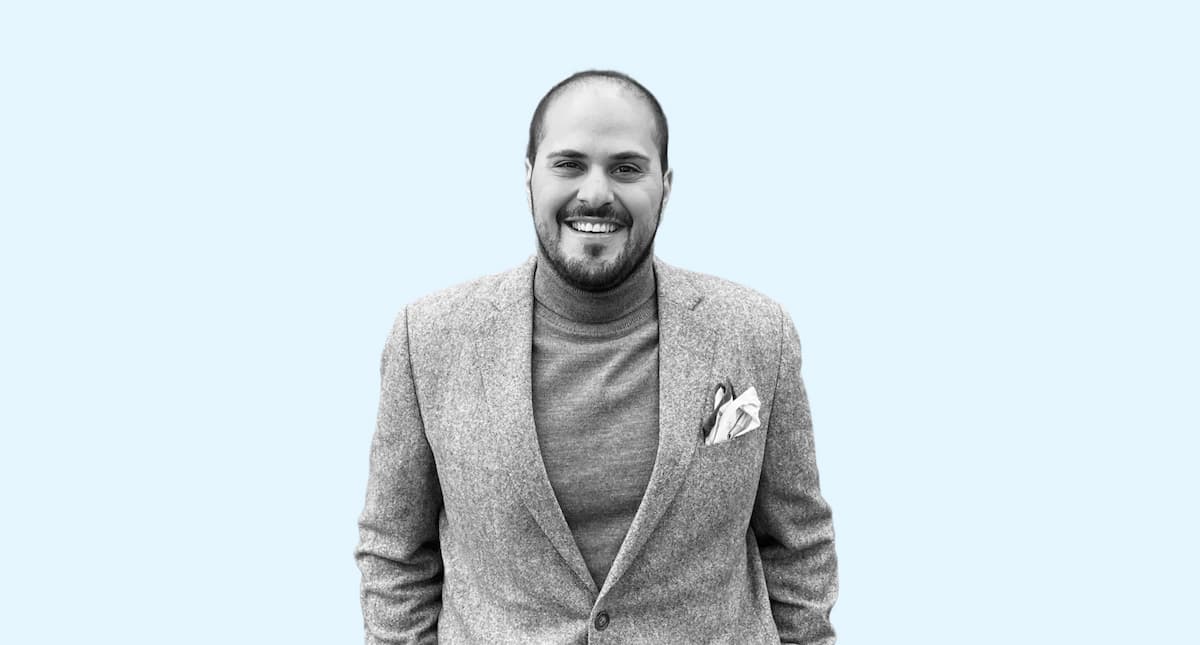
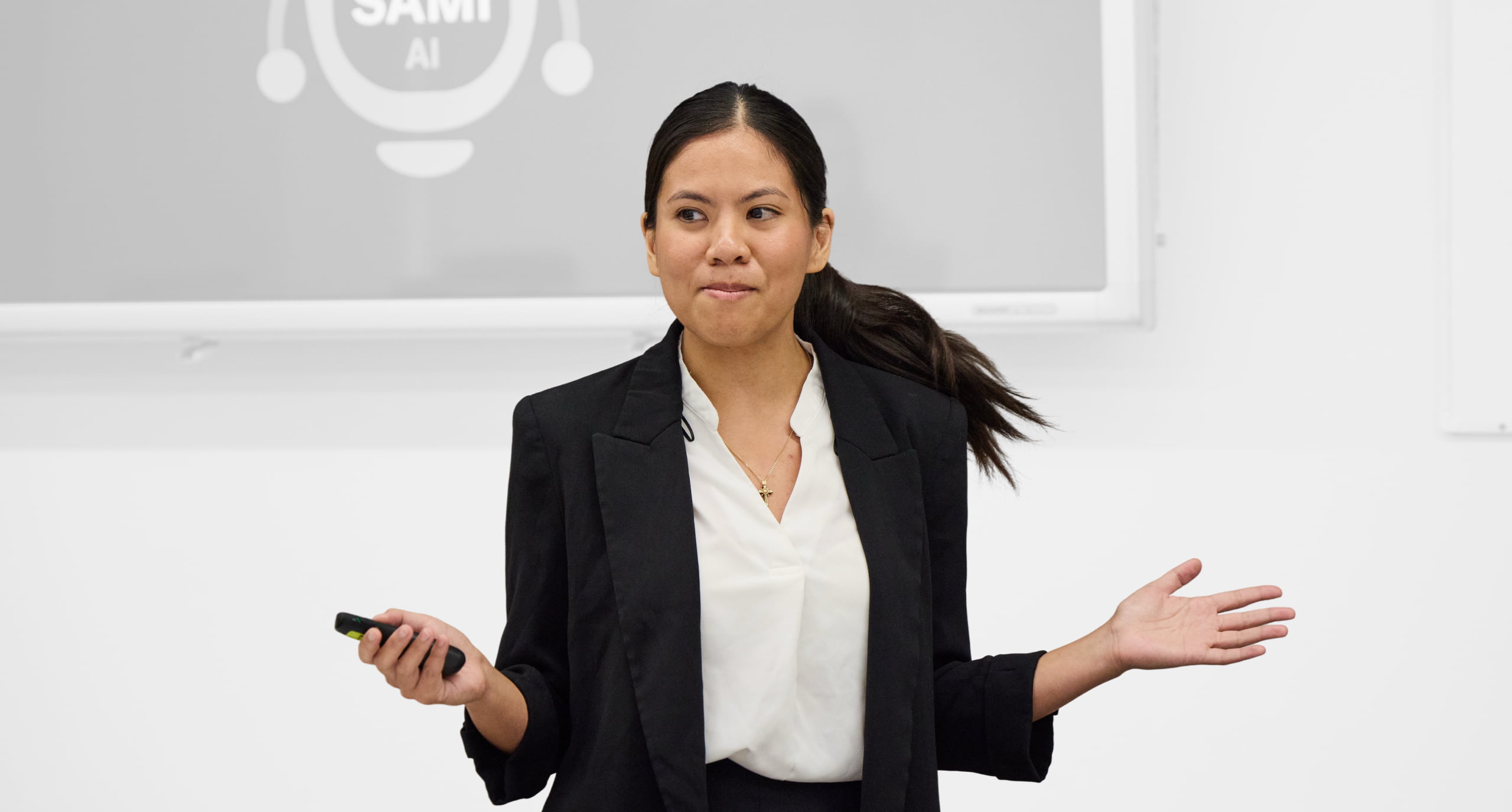
Swati Sevvana is a mechanical engineer. Karen Kassouf built her career in marketing and the construction industry. Bushra AlZamil has over a decade leading in the energy sector. Zeina El Hakam is Communications Manager for Middle East, Turkiye and Africa at Boeing. All four completed the Global Executive MBA at IE Business School. All four agreed to talk honestly about what that actually involved.
The decision to go back
For many women, the idea of returning to formal education later in a career is something that lives in the “someday” column for years. The timing is never right. The cost is significant. The disruption feels too great. And underneath all of that, for some, is a quieter question: is this for people like me?
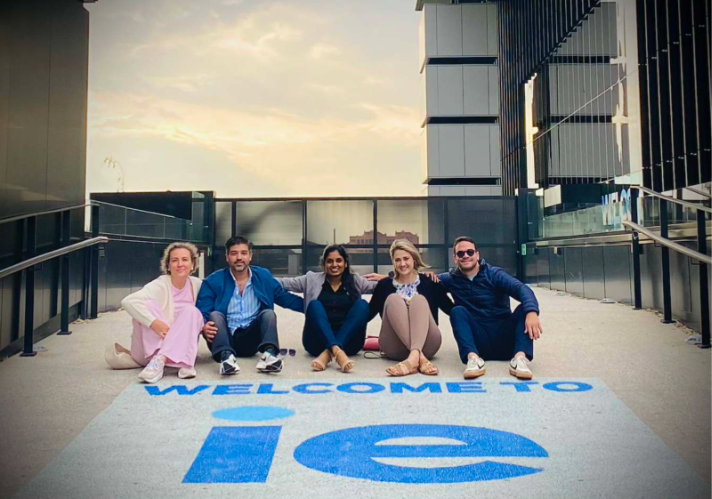
What moved each of these women from thinking about it to actually doing it was not the resolution of those concerns. It was a shift in how they framed the question.
For Swati, the catalyst came from watching her husband complete his MBA at IE Business School during the pandemic. “It wasn’t just academic,” she says. “It was in how he carried himself. His confidence shifted, his tone changed. When he spoke in a room, people paused and listened.” Seeing that evolution up close made her decision for her.
Karen’s motivation was expansion rather than reinvention. Her marketing background had given her a strong foundation, but her role was increasingly intersecting with strategy, operations and business development. “I wanted to challenge the boundaries I had unconsciously placed around what I could contribute to,” she says. The program was not about starting over. It was about reaching further.
Bushra came to it from a position of clarity. Her energy career had been deep but concentrated, and she was looking for global perspective and a more diverse network. “For me, the Global Executive MBA was an opportunity to keep growing as a leader and to see my own experience through a wider lens.”
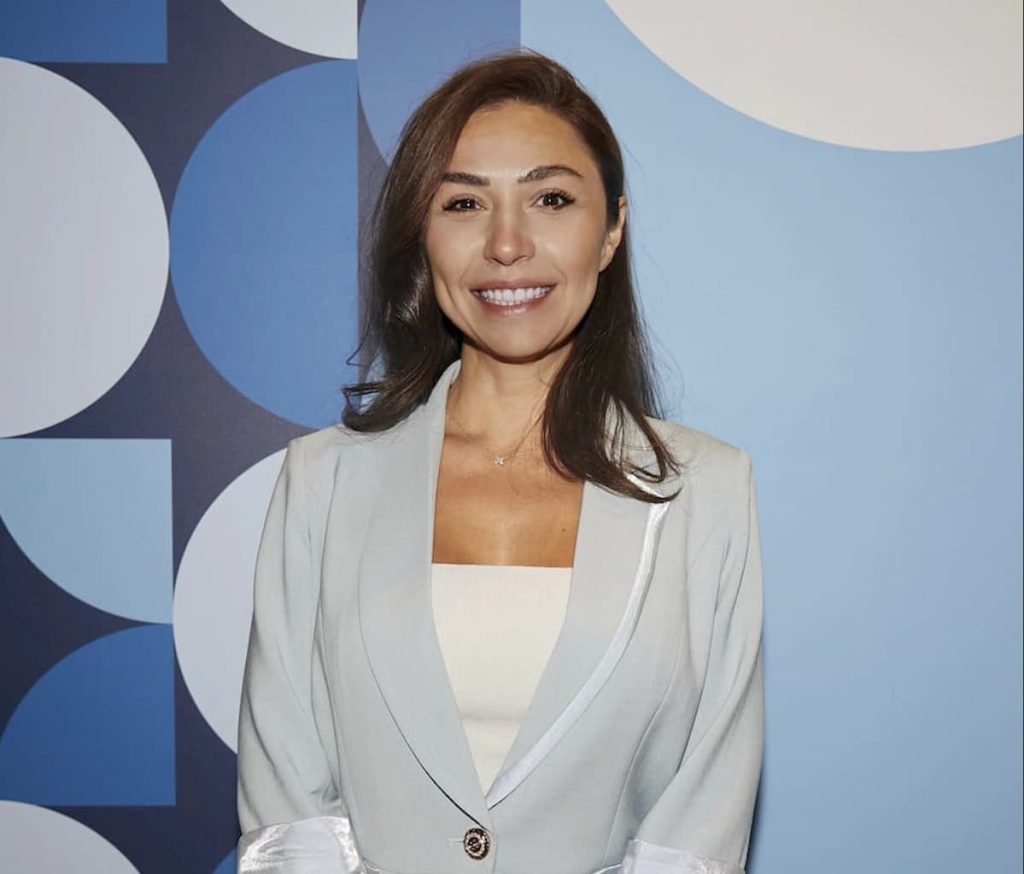
Zeina framed it practically. Twenty-one years in communications had given her breadth, but she wanted depth in the areas adjacent to her work. “I wanted to take my understanding of finance, strategy and operations to a deeper level, so I could contribute more meaningfully beyond my functional expertise.”
Imposter syndrome: the fear that doesn’t have to stop you
Research on imposter syndrome, known as the internal experience of feeling like a fraud despite evidence of competence, shows it is more prevalent among high-achieving women than almost any other professional group. It intensifies in environments where women are in the minority, and it tends to peak precisely at moments of transition: taking a new role, entering a new room, going back to school. Any situation where you find yourself surrounded by CFOs, founders and people who seem to have everything figured out is exactly the kind of environment designed to trigger it.
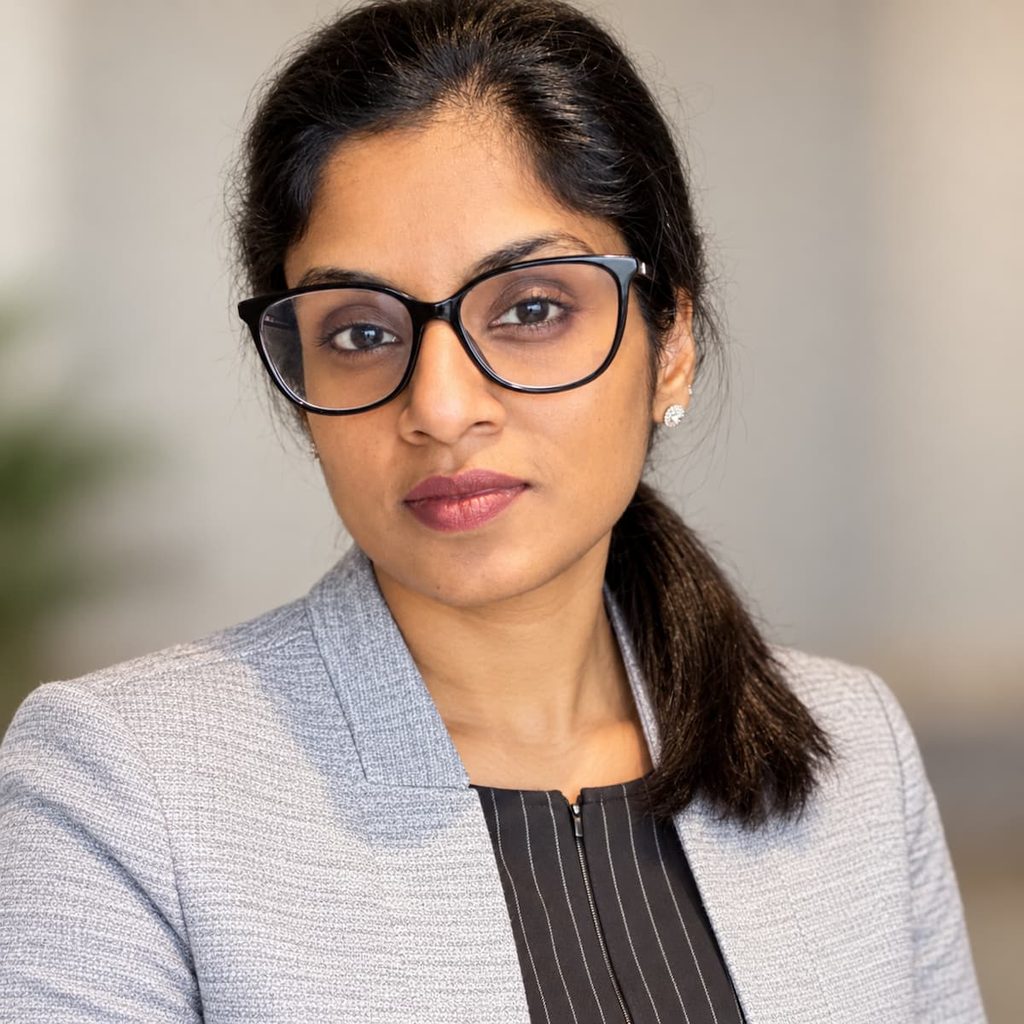
Swati was direct about her ongoing experience with imposter syndrome. “Honestly? I feel it every single day, no matter how much experience I build up,” she says. Rather than pretending the fear isn’t real, she relies on an analogy from a moment at the top of a hill before tandem ziplining with her son. Terrified inside, she put on a brave face as his mom, but he took the lead and told her, “I’ll count to three, and we both jump.”
“Imposter syndrome is exactly like that zipline,” Swati explains. “It exists, and the fear doesn’t magically disappear because you earned a degree or held a leadership title. But deep down, I know my capability. You acknowledge the fear, put on that brave face, count to three, and jump anyway.”
Zeina found that the feeling shifted over time, replaced gradually by evidence. “When you’re surrounded by CFOs, heads of VC firms and senior executives from around the world, it’s natural to wonder whether you belong. But confidence builds. Your ability to grasp new and unfamiliar concepts will impress you. And realizing that your contributions in teamwork, leadership and project management carry real weight will impress you too.”
Karen’s shift was quieter but equally significant. She learned to sit with not knowing, and to trust that contribution does not require certainty. “I realized that nobody arrives knowing everything. We each brought a different lens to the room.” She came to a place where she could say, genuinely: “I don’t know this yet, but I can learn it, and I still have something valuable to contribute.”
Bushra’s response complicates the narrative in a useful way. “Quite the opposite, actually.” Years of being the youngest and often the only woman in high-stakes rooms had been intimidating early on, but those same experiences had built something durable. “The Global Executive MBA gave me greater clarity about my own value proposition.” Where furthering your education or taking on a new executive role, not every woman arrives looking for permission to belong. Some arrive knowing they already do.
Balance: managing priorities, not achieving perfection
The question of how to balance work, study and personal life is one of the most common reasons women delay returning to university, and it is one of the most honest concerns to raise. A rigorous graduate program on top of a senior leadership role and the rest of life is not a small addition. There will be difficult weeks. There will be trade-offs.
What all four women describe, though, is that the goal was never perfect balance. It was something more realistic and, ultimately, more sustainable.
“I learned to think less about perfect balance and more about managing priorities over time,” says Karen. “Some weeks work will need more of you. Other weeks the MBA will. Sometimes your personal life will need to take priority.” Reframing from balance as a fixed state to balance as an ongoing practice was central to how she got through.
Bushra is characteristically direct: “There will never be a perfect time.” Zeina adds the practical nuance that makes this actionable: “Time it right so it’s hard, not impossible. Don’t forget that you’re the best person to know how.”
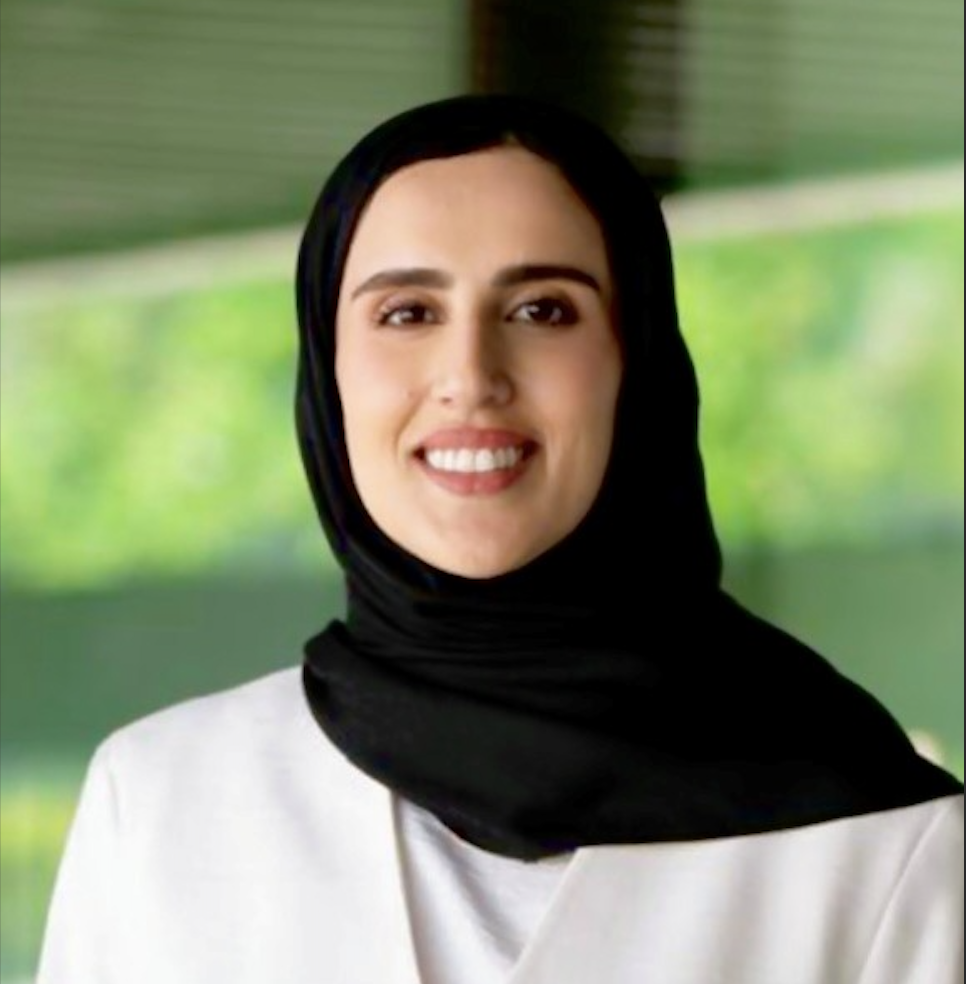
Swati is the most candid about what the hard periods actually feel like from the inside. “Yes, there will be overwhelming days. You might cry. I certainly did. But then you wipe away those tears and step right back out there, ready for the next round.” She also makes the point that the growth did not stay confined to her professional life. “The patience, perspective, confidence and clarity I gained at IE Business School transformed the ‘home me’ just as much as the ‘professional me.’ Your family gets to watch you model what resilience actually looks like.”
Karen ends with the question she would put to any woman sitting on the fence: not “how will I fit this into my life?” but “who could I become because I made room for it?”
On being inspired by the women around them
There is a specific kind of confidence that comes not from being told you can do something, but from watching someone like you actually do it. For women in leadership, that kind of visible representation is still rarer than it should be. An Executive MBA cohort, where the women in the room are not the exception but a significant part of the experience, can shift that.
All four describe the impact of their female cohort in similar terms. It was not a support group, but a proof of concept.
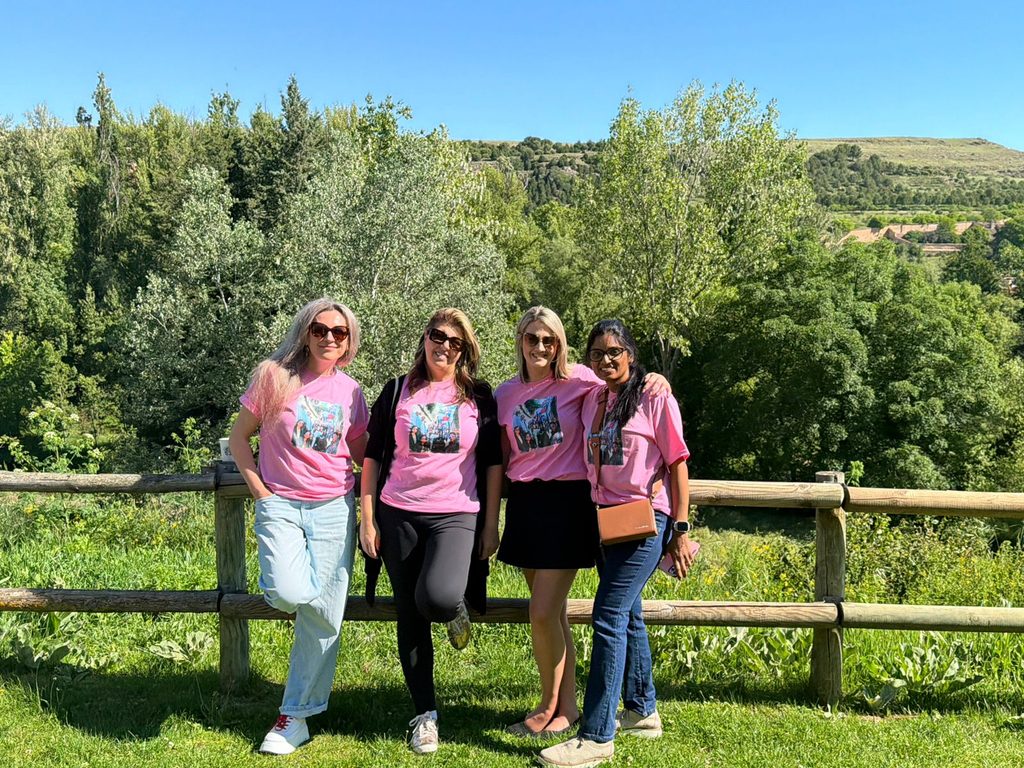
Swati’s cohort named themselves “GXXMBA.” The bonds they formed went well beyond the academic. She describes mothers managing young children and heavy work travel, a classmate who had a baby during the program others navigating serious health emergencies and conflict at home. “Yet no matter what they were facing, they showed up, fully present, articulate and completely unshakeable. When a woman decides to do something, she delivers.” The group became a sounding board for professional challenges as much as a personal anchor. During one particularly difficult stretch, a message from a classmate stayed with her: “It’s okay to always want to improve, learn and grow, but make sure you pause and thank God for what He has already given you.”
Karen, who served as class representative, observed the cohort through a different lens. The breadth of leadership styles she saw, from analytical, entrepreneurial, quietly influential, and boldly direct, all changed her own frame of reference. “There is something powerful about seeing that there isn’t one model of what a successful female leader should look like.”
Bushra points to something harder to name but equally present: “an unspoken understanding. We could relate to many of the challenges women encounter as they progress into leadership, even when those experiences aren’t openly discussed. That sense of shared understanding created a supportive environment where we challenged one another and learned from one another’s experiences.”
Zeina keeps it simple. “Being in a cohort with women juggling large families, new mothers, full-time senior roles, while some still landed on the Dean’s list, was genuinely inspiring. Ambition looks different for everyone, and there’s no single formula for how to pursue it. If you really want something, you find the way and the time to do it.”
Who they became
Leadership development is one of the most commonly cited outcomes of an Executive MBA. But the change these four describe is less about acquiring new tools than about stripping away inherited assumptions about what a leader is supposed to look like, how they are supposed to speak and what they are supposed to prioritize.
Swati moved away from what she calls the instinct to be “the mom in every room.” The program gave her a sharper model. “My job as a leader isn’t to mother the people around me; my responsibility is to build teams that are resilient, self-sufficient and capable of thriving wherever they go.” She also points to a shift in how she handles conflict and disagreement. “I stopped fearing conflict and realized that constructive friction is where the best ideas are born.” Her summary: “IE Business School showed me that when you look at a problem from a completely different angle, yes, fish can fly.”
Karen came away with a broadened definition of credibility itself. “Before the program, I probably associated leadership more strongly with competence: knowing your subject, delivering, solving problems.” The program challenged that. Crisis simulations and residentials in Oxford, Singapore and UCLA showed her that leadership also means making decisions without perfect information, and holding a room together under pressure. “Empathy, curiosity, communication and the ability to connect people are not softer alternatives to leadership. They are leadership capabilities.”
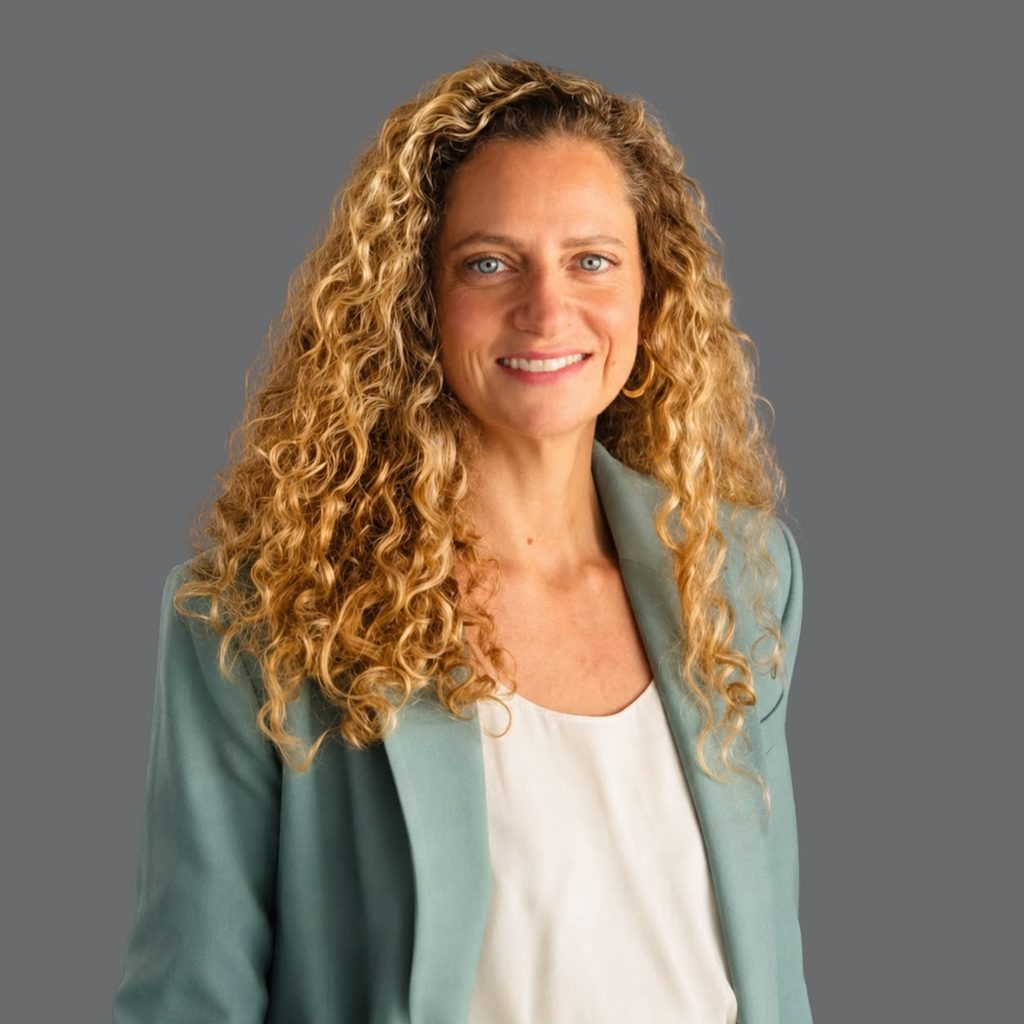
Bushra’s shift was about authenticity. “What changed wasn’t my ambition or my standards. It was becoming more comfortable leading in a way that felt authentic to me, rather than trying to fit an inherited model of leadership.” She describes IE Business School as “an effortlessly inclusive environment that empowers self-expression.” That, she says, created the conditions for genuine reflection rather than performance.
Zeina frames her change in terms of scale. “The shift was less about gender and more about scope. Learning how finance, operations and strategy trade off against each other gave me a bird’s-eye view on leadership, helping me be less protective of my own corner, and more focused on the whole board.” She also became more comfortable with decisions under pressure. “You sharpen that fast when you’re debating case studies with CFOs and founders at 9pm after a full day’s work.”
Advice from inspiring women who did it
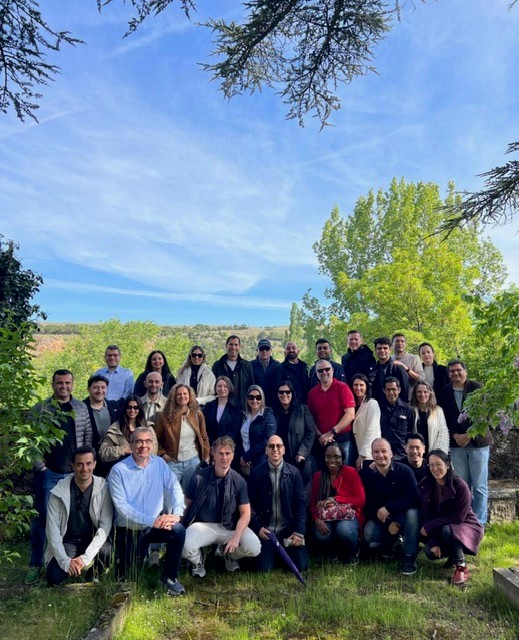
Swati: “As women, we are infinitely more resilient than we give ourselves credit for. Don’t wait for the perfect time when life is completely quiet. That time never comes. Count to three, and jump.”
Karen: “Ask yourself not only, ‘How will I fit this into my life?’ but also, ‘Who might I become because I made room for it?'”
Bushra: “Start anyway. You may not always feel ready, but you’ll likely discover you’re far more capable than you ever imagined.”
Zeina: “Everything worth doing is hard. If your heart is set on it, just do it. But time it right so it’s hard, not impossible.”
Scott is editor-in-chief of Uncover IE and Senior Content Manager at IE University. He holds degrees in English Literature and Spanish from Saint Louis University and has spent more than a decade working in content strategy, editorial leadership, journalism and multilingual communications.