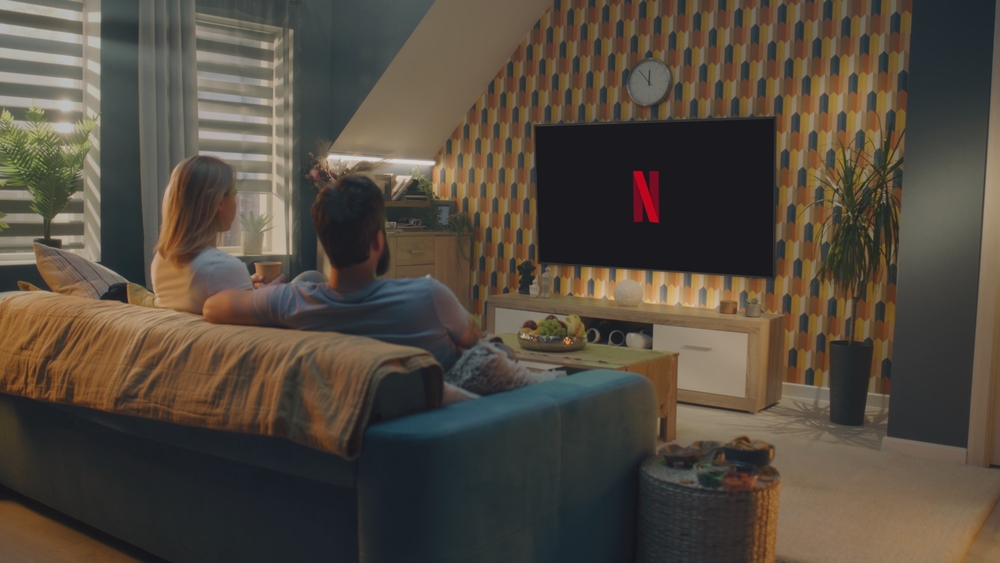
David Fincher’s Mindhunter was one of the most acclaimed series Netflix had ever made, with a devoted following and plans for five seasons. It ended after two. Years later, Fincher explained why, without bitterness: it was an expensive show, and in Netflix’s eyes it hadn’t drawn a big enough audience to justify the investment in another season.
It’s a story fans of many shows will recognize, from Sense8 to First Kill. So why does Netflix cancel shows people love? The short answer is that it’s closely tied to the product lifecycle and the hard truth that being loved and being viable are two different things. Netflix decides based on the second.
Loved isn’t the same as viable
Sense8 is the clearest example, because the people involved explained it. The series, created by Lana and Lilly Wachowski, was filmed in cities across several continents with an international cast, and it built one of the most passionate fan communities Netflix has ever had. It was also expensive: one of its producers estimated that each episode of the second season cost around $9 million.
Netflix canceled it in June 2017, after two seasons. Fans responded with a petition that gathered more than half a million signatures. Netflix’s reply was polite but clear: the attention didn’t change the cost or the size of the audience. Lana Wachowski later acknowledged that the numbers had always been challenging, even though Netflix loved the show.
That’s the core of every cancellation. A passionate audience can still be too small for what a show costs to make. Online buzz, petitions and trending hashtags show how much people care. They don’t show how many (and when) people are watching, and that’s the number that pays for the next season.
Sense8 did get one concession: a two-hour finale special in 2018, which gave fans an ending. It’s a rare case of a campaign changing the outcome, at least partly.
What Netflix actually measures
Netflix rarely explains individual cancellations, but enough has come out from creators, executives and industry reporting to show the main factors.
Completion, not just clicks. Starting a show is easy; finishing it is a much stronger signal. When the teen drama First Kill was canceled after one season in 2022, its showrunner said Netflix told her the completion rate wasn’t high enough. Netflix doesn’t publish completion rates, so this is one of the few times the metric has been confirmed as the deciding factor.
The first few weeks. Most viewing happens soon after release, so a show has a short window to prove itself. Before the second season of The Sandman, Neil Gaiman urged fans to watch it within its first 30 days, a sign of how much that early window matters to renewal decisions.
Cost per season. Shows usually get more expensive as they continue: contracts are renegotiated, cast members expect raises and stories grow more ambitious.
Here, Mindhunter is a textbook case. Fincher has said Netflix asked whether a third season could be made for less, and he didn’t believe it could be done for less than the second, especially as the story was set to expand. Trade press has also reported that Netflix sets a higher viewing threshold for renewing expensive genre series than for comedies or reality shows, which helps explain why ambitious shows like Sense8 and Mindhunter were especially vulnerable. Ted Sarandos has also pointed to Fincher’s busy schedule as a factor, a reminder that real decisions rarely have a single cause.
New subscribers versus existing ones. A new show can bring people to the service. A third or fourth season mostly serves people who already subscribe and would probably stay anyway. For a subscription business, that changes the math: an additional season has to justify its cost by keeping subscribers who might otherwise leave.
The product lifecycle, explained through TV
Step back from streaming and these decisions follow a pattern product teams know well. Every product moves through a lifecycle: launch, growth, maturity and, eventually, decline, which can lead to retirement. A TV series follows the same arc. The first season is the launch, when it has to find an audience quickly. If it grows, later seasons are its maturity, when costs rise and the audience usually stops expanding. At some point, the question shifts from “is this good?” to “is this still the best use of our resources?”
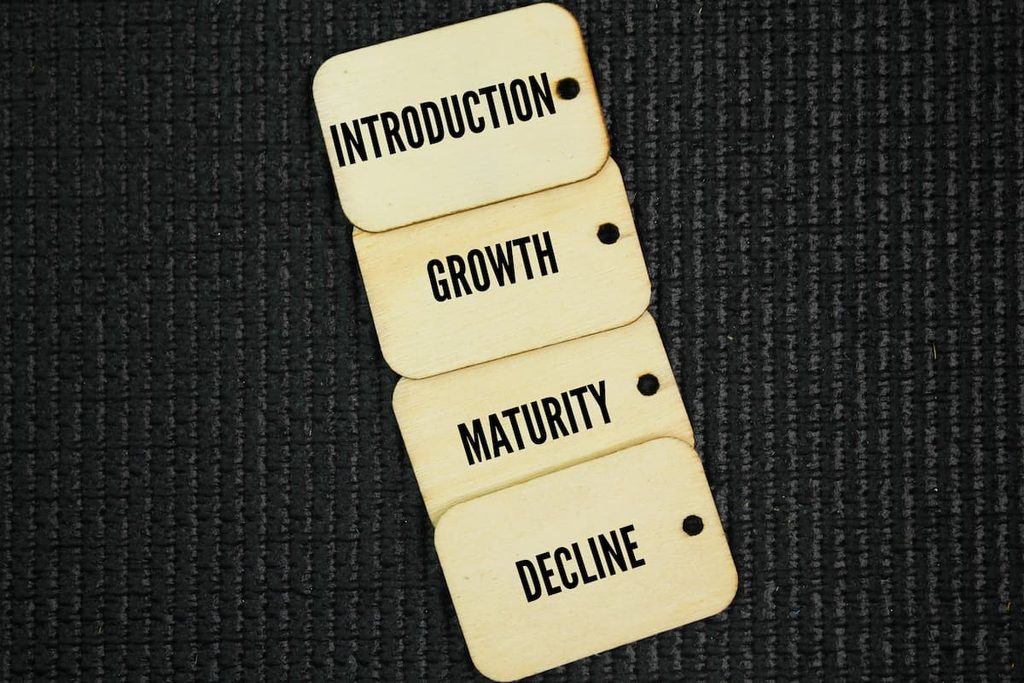
That’s why quality alone rarely saves a show. A product can be well made and deeply loved and still not make sense at its current stage of the lifecycle. Netflix has a fixed budget and perhaps more importantly, a constant stream of new projects competing for it, so every renewal is also a decision not to fund something else.
The same logic shows up far beyond TV. Google shut down Google Reader in 2013 despite a loyal user base, and Apple discontinued the iPod in 2022, years after its role had been absorbed by the iPhone. In both cases, the product still had fans. It just no longer fit where the business was going.
So, can you save your favorite show?
If the metrics above are what count, a few habits matter more than any hashtag. Watch a new season soon after it’s released rather than saving it for later. Finish it, because completion is a stronger signal than starting. And if you love a show, recommend it to friends early, when new viewers can still change the numbers.
Campaigns rarely reverse a cancellation, though Sense8 shows they can sometimes win an ending. The lesson isn’t that fans don’t matter. It’s that the signal Netflix listens to is viewing, not volume.
And if the product lifecycle is something that interests you, the Master in Product Management & Design Innovation explores how products are built, managed and reinvented across their entire lifetime.

Scott is editor-in-chief of Uncover IE and Senior Content Manager at IE University. He holds degrees in English Literature and Spanish from Saint Louis University and has spent more than a decade working in content strategy, editorial leadership, journalism and multilingual communications.