

How does one develop personal taste? Whether in music, art, fashion, or design, taste is often treated as an internal preference that people simply possess. From Pierre Bourdieu’s work on taste and social distinction to more recent research by Anissa Pomiès of emlyon business school and Zeynep Arsel of Concordia University about how markets shape taste and identity, scholars have long explored the role of social class and culture in what we like. Shaped in part by the people around us, taste becomes a form of expression and affiliation. However, this is only part of the story. While these factors shape artistic and aesthetic preferences, so too do environments and sensory experiences. Understanding how taste is formed has implications not only for artists and audiences, but also for brands as they develop products and create experiences for consumers.
To better understand how materiality influences consumers’ relationships with cultural products, we studied Helsinki’s vibrant electronic dance music (EDM) scene and found that the music people love is shaped through immersive environments, emotional intensity, and shared sensory experiences. In other words, preferences emerge not only from who we are, but also from the experiences carefully crafted around us.
Nevertheless, the findings have implications far beyond this corner of the music industry. Music is art, and also a product. Listeners are consumers, and their developing tastes determine which tracks they download, which vinyl records they purchase, and which performances they book tickets for. The principles of carefully crafting built environments, sensory experiences, and emotional responses to shape how consumers interact with a product can likewise be applied in retail stores, entertainment venues, and beyond.
Too often, marketing professionals limit themselves by thinking consumer taste is something that must be decoded and then acted upon. But our findings suggest that taste can – at least partially – be engineered. So, now is the time for brands to stop targeting consumers’ preferences and start designing them.
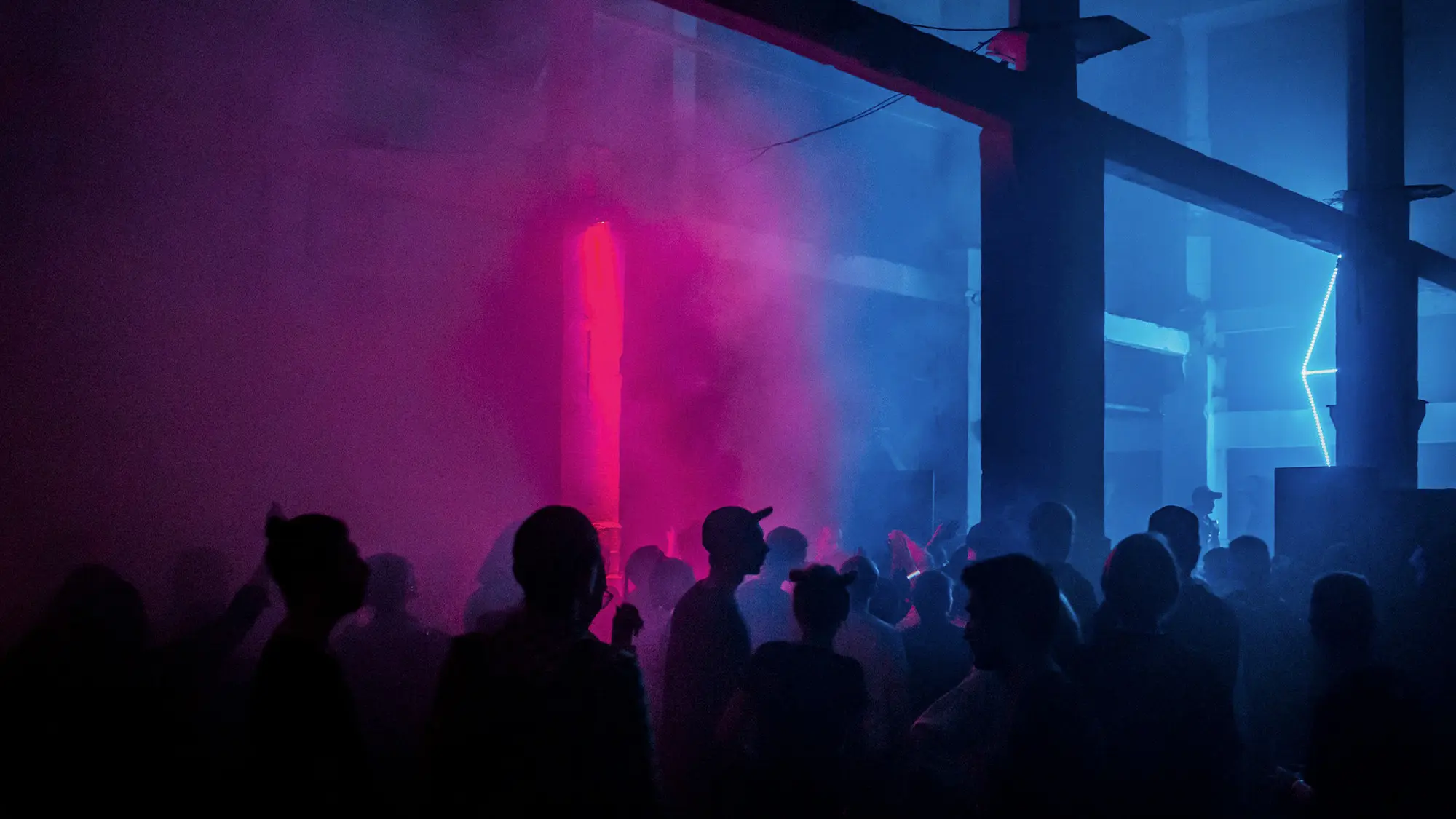
EDM offers an interesting lens through which to understand this phenomenon because of its material intensity as an art form. The built environment – the physical clubs where this music is experienced communally – matters, as does the technical setup of a DJ’s equipment. With a thrumming bass that pulses through the floor, light displays that synchronize with the rhythms, and crowds moving to the beat through moments of anticipation and release, the music becomes a tangible sensory experience.
Designing experiences that shape taste
Imagine yourself in the midst of a live music performance. You can feel the bass through the soles of your shoes, the people dancing around you, and the light displays overhead moving to the rhythm. Everything feels synchronized, as if occurring naturally – but it is actually the result of careful planning, investment, and design.
Drawing on interviews with local DJs, field notes collected at live music venues, and an analysis of the wider EDM community, our research explores how carefully designed experiences shape musical preferences. The picture that emerges is of an industry where sensory experiences are constructed with care. Clubs act as curated environments designed to draw people towards particular emotions, allowing them to step outside of their everyday routines. In these settings, attendees do not just listen to the music; they are immersed in the collective atmosphere of the performance.
It’s this ability to engineer communal emotional experiences that transforms tracks and artists into broadly desired cultural artefacts. In the right atmosphere, ordinary songs can become highly desirable, even go viral, as audiences seek out music that they have experienced collectively.
This dynamic suggests cultural value is created collectively and contextually rather than through individual listening. Rather than developing musical tastes based on individual influencers or pre-existing preferences, these spikes form in response to particular feelings, energies, and ambiences shaped at live events.
Four elements work together to create these immersive experiences.
- Physical environments: Clubs or live music venues act as the stage for performances. Both their layout and material quality have the power to influence the atmosphere, from practical considerations such as acoustics to cultural signals about the type of experience being offered. Whether a venue embraces large-scale productions or intimate settings, its design communicates values that shape audience expectations.
- Technical quality: Technical quality is equally important. Sound systems must be carefully matched to the acoustics of the venue so that the music is delivered with the intended emotional experience. Achieving the desired sound quality relies on the sound system being properly dialed in to the acoustics of the space. Executed poorly, even the strongest performance will fail.
- Curated journeys: Having established the technical foundations, DJs create curated set lists designed to guide audiences through an emotional journey. By balancing energy, anticipation, and release, they create the conditions where audiences are receptive to the music, even if it is unfamiliar.
- Audience participation: When DJs curate set lists effectively, audience members respond by using online platforms such as Shazam to identify new tracks. The result is an organic transition from attending a performance to purchasing music, as participants’ sensory and emotional journeys translate into digital or material consumption. We also observe that clubgoers often share and discuss newly discovered tracks. Appreciation becomes a communal activity, extending from dance floor to online forums and music industry publications, broadening exposure and, with it, consumer demand.
Of course, not every retailer, museum, or hotel lobby is the ideal setting for an EDM performance. But the principles that shape audience experiences on the dance floor also shape how consumers engage with products and brands. Any organization that seeks to create memorable experiences – from retailers and hospitality brands to museums, cultural institutions, and city centers – can learn from the way environments create emotional resonance and shape consumer preferences. Every element of the service environment is already emotionally coded, so the point is to choose from the full range of elements both material and immaterial whose codes induce a desired tasteful and taste-making event. When organizations thoughtfully design physical spaces, sensory experiences, and emotional journeys, they do more than encourage consumers to make a purchase. They help shape what people value. The opportunity, then, is to not simply react to a consumer’s taste but to create an environment in which those tastes are actively formed.
© IE Insights.