Wesam Al Asali, Professor of IE School of Architecture & Design, Publishes New Book on Modern Architecture in the Arab World

"We wanted to look beyond the conventional narrative that treats modern architecture in the Arab world as simply imported," said Al Asali during the presentation event.
Madrid, 11 March 2026 — IE School of Architecture and Design professor and researcher Wesam Al Asali has co-edited the book Arab Modern: Architecture and the Project of Independence, published by Zürich-based gta Verlag. Edited together with architectural historian and professor at the American University of Beirut, Nadi Abusaada, the volume brings together an international group of scholars to examine how architecture intersected with the political and cultural transformations that accompanied independence movements across the Arab world during the twentieth century, opening new directions for understanding how architecture participates in shaping societies undergoing profound change.
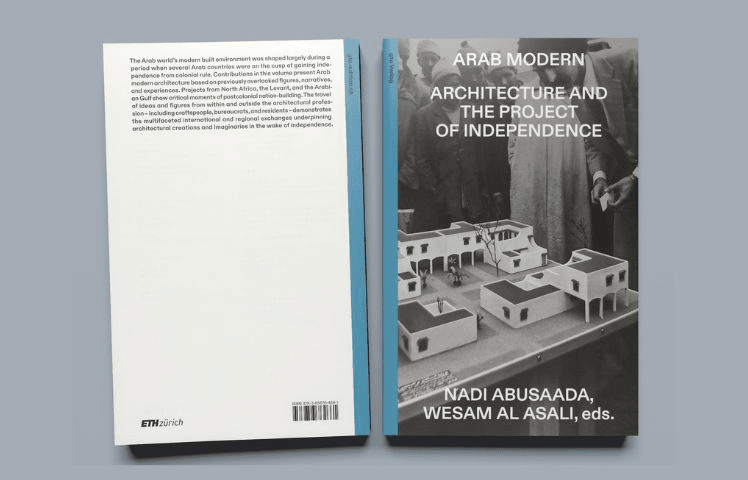
The book was presented at the IE University Paper Pavilion during an event hosted by IE School of Architecture and Design together with IE Editorial Knowledge, bringing together researchers, professors, students, and members of the academic community to discuss the research behind the publication and its broader implications for architectural history and practice.
"As architects and researchers working on the region, we wanted to look beyond the conventional narrative that treats modern architecture in the Arab world as simply imported," said Wesam Al Asali during the presentation event. "The book shows that architecture was deeply entangled with broader aspirations for independence, social transformation, and cultural self-definition".
The book explores the role architecture played during the transition from colonial rule to independence in several Arab countries. Rather than interpreting modern architecture in the region as a simple extension of Western modernism, the editors and contributors situate it within broader debates about nation-building, identity formation, and the search for new architectural languages capable of responding to local contexts and aspirations.
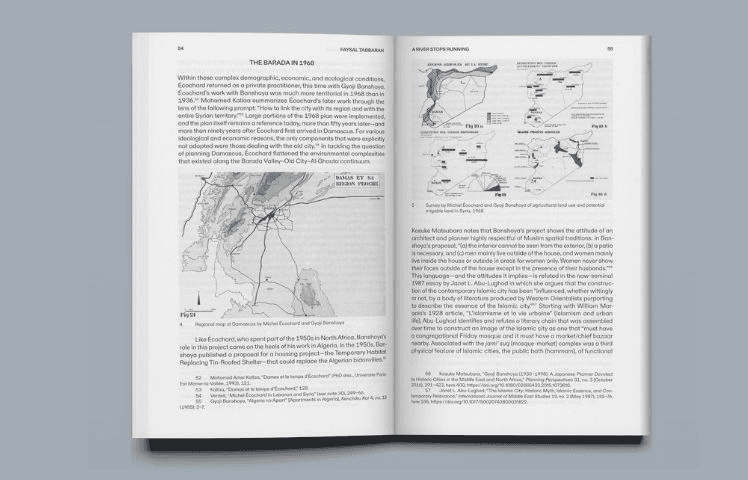
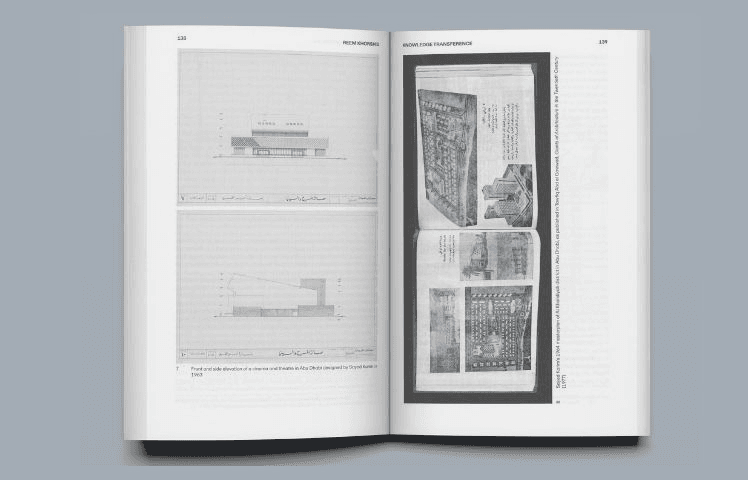
Structured in three thematic sections - Professionalization and Nation-Building, Regionalism and Traveling Ideas, and Alternative Practices and Imaginaries - the volume examines topics ranging from the formation of the architectural profession and regional networks of knowledge exchange to overlooked actors such as craftspeople, labor networks, and community-based building traditions. Together, these perspectives offer a more nuanced understanding of how architectural modernity developed across the Arab region.
The research also contributes to a growing international effort to rethink architectural history from a global perspective, foregrounding the voices, institutions, and practices that emerged within the region itself.
Wesam Al Asali’s teaching and research at IE University connect construction history, traditional craft knowledge, and digital technologies, demonstrating how manual skills and heritage practices can inform architectural innovation. His projects include InnixAR, an experimental vaulted pavilion that combines traditional masonry techniques with augmented reality guidance, enabling builders to construct complex, form-found geometries without physical molds or scaffolding, and Alternative Skies, an installation presented at the 2025 Venice Architecture Biennale that reimagines traditional vault construction through lightweight modular structures.
The book is available in open access through the publisher's website, and the print version is distributed by IE Editorial Knowledge.
An interview with Wesam Al Asali about the book Arab Modern: Architecture and the Project of Independence can be viewed on IE Insights.
