
The Green Future for Segovia’s Water is a project designed to solve the current problem of water overflow into wastewater treatment plants affecting the city of Segovia leading to water contamination, property damage, and water stress. Our project aims to develop methods in Segovia that solve this problem by modernization of current water systems, and utilizing concepts of green architecture, such as permeable pavements and green roofs. All while building a lusher environment that improves the physical and mental health of its inhabitants and attracts tourists from throughout the world.
Project Overview
Project Overview
The project analyzes the current state of Segovia’s water resources and proposes sustainable solutions for long-term water quality improvement. It covers water conservation methods, pollution control, ecosystem restoration, and community involvement in sustainable water use.
Purpose of the project
Purpose of the project
This project was completed as part of an academic assignment, giving us the opportunity to explore hands-on problem solving strategies. We were motivated to tackle the project of water overflow management as water contamination negatively impacts our community and we strive to participate in improving the life quality of the people of Segovia. During our semester field trip we were able to firsthand observe the impacts of water contamination as we visited different locations around Segovia and conducted water quality testing that allowed us to learn field techniques and data analysis. The locations included Peñalara, River San Ildefonso (Bocas del Asno), Ponton Water Reservoir, Hontanares de Eresma, Yanguas de Eresma, and Carbonero El Mayor. In addition, we were able to visit the headquarters of the upcoming project of Madrid Nuevo Norte. The project aims to transform the area of Northern Madrid with the creation of homes, commerce, offices, and green zones. Here we were able to observe similar projects with the use of green architecture which allowed us to refine our chosen solutions. These included the implementation of bioretention rain gardens and permeable pavements. Our solutions were ultimately inspired by the various field trips we were able to attend and formulated with ideas of long-term benefits and ecological applications to combat wastewater overflow. Ultimately, after extensive research, we concluded that basalt bricks, separating sewage and rainwater systems, and green roofs would have the best possible outcome.
Technical Details
Technical Details
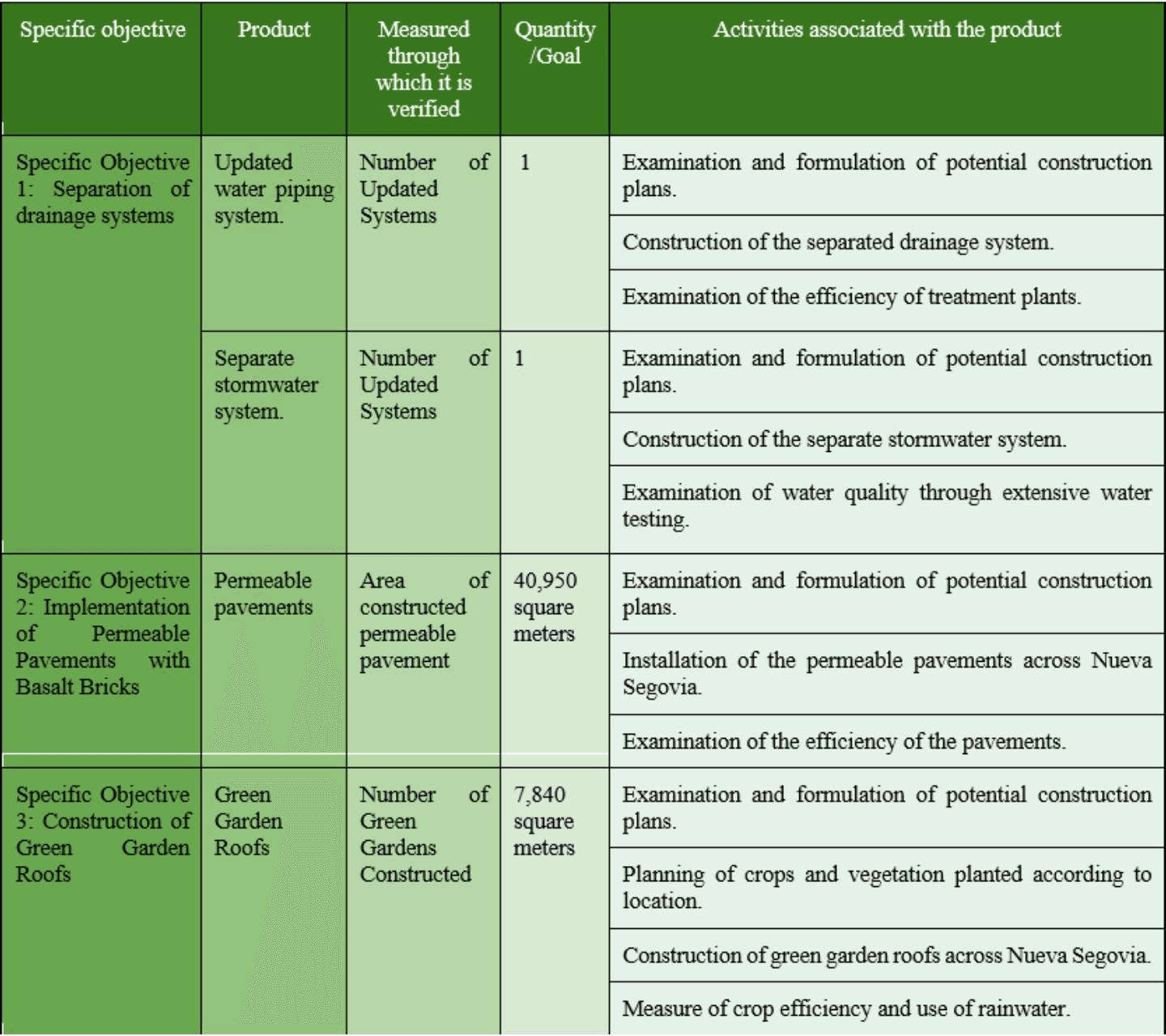
To solve the main issue of the project we designed three solutions:
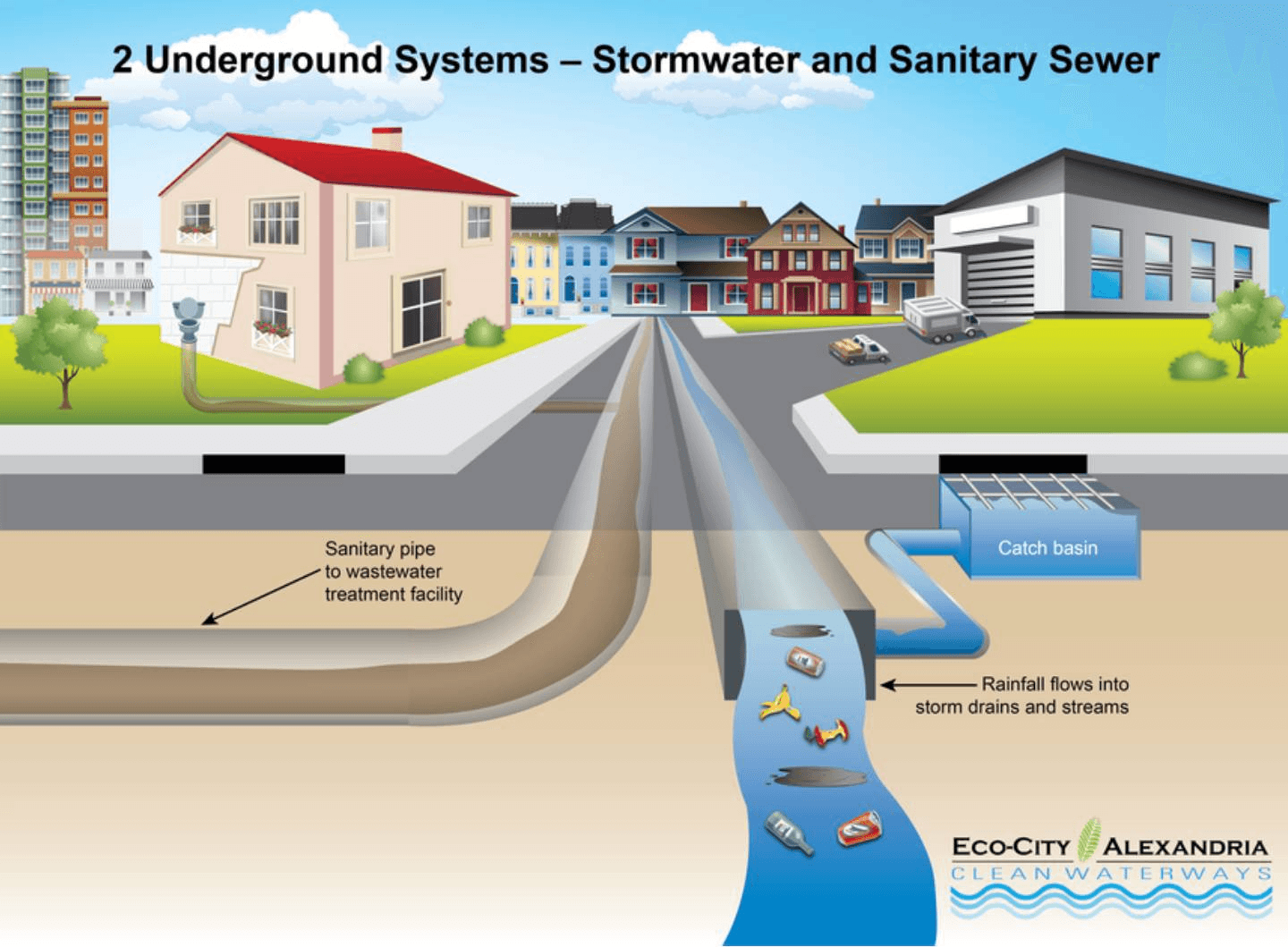
- Development of Separate Sewer Systems: Wastewater and stormwater would flow through separate pipes to avoid mixing and cross-contamination. This would reduce the stress of rainwater in water waste treatment plants and rainfall not absorbed by pavements and gardens would be released to natural bodies of water, such as the Eresma River or artificial water reservoirs.
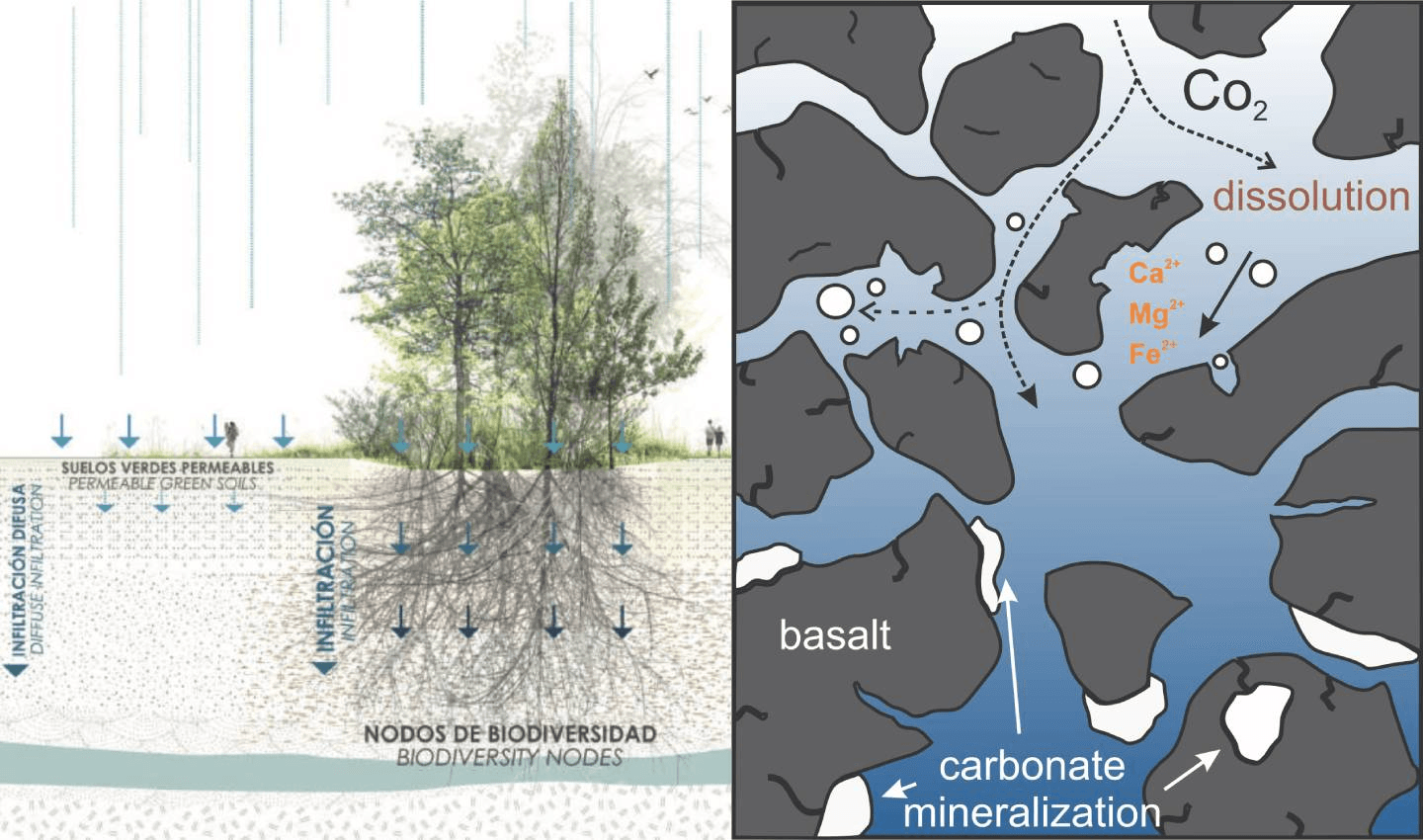
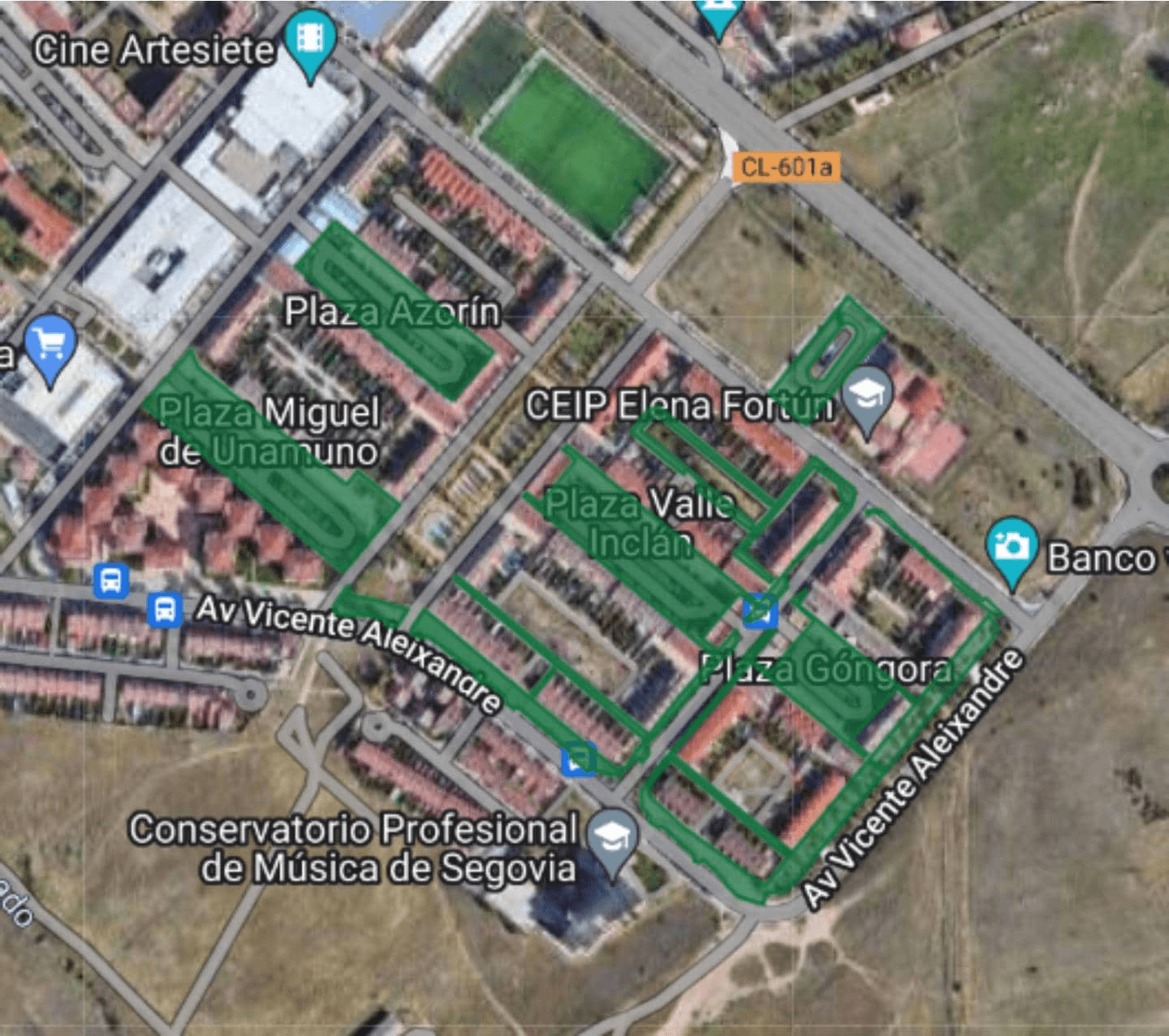
- Installation of Permeable Pavements with the use of Basalt Bricks: when wet, basalt bricks can remove carbon dioxide from the atmosphere, and permeable pavements allow rainwater to flow into the ground. When degraded, basalt bricks can be broken into powder, which in agriculture improves soil fertility and soil pH correction.
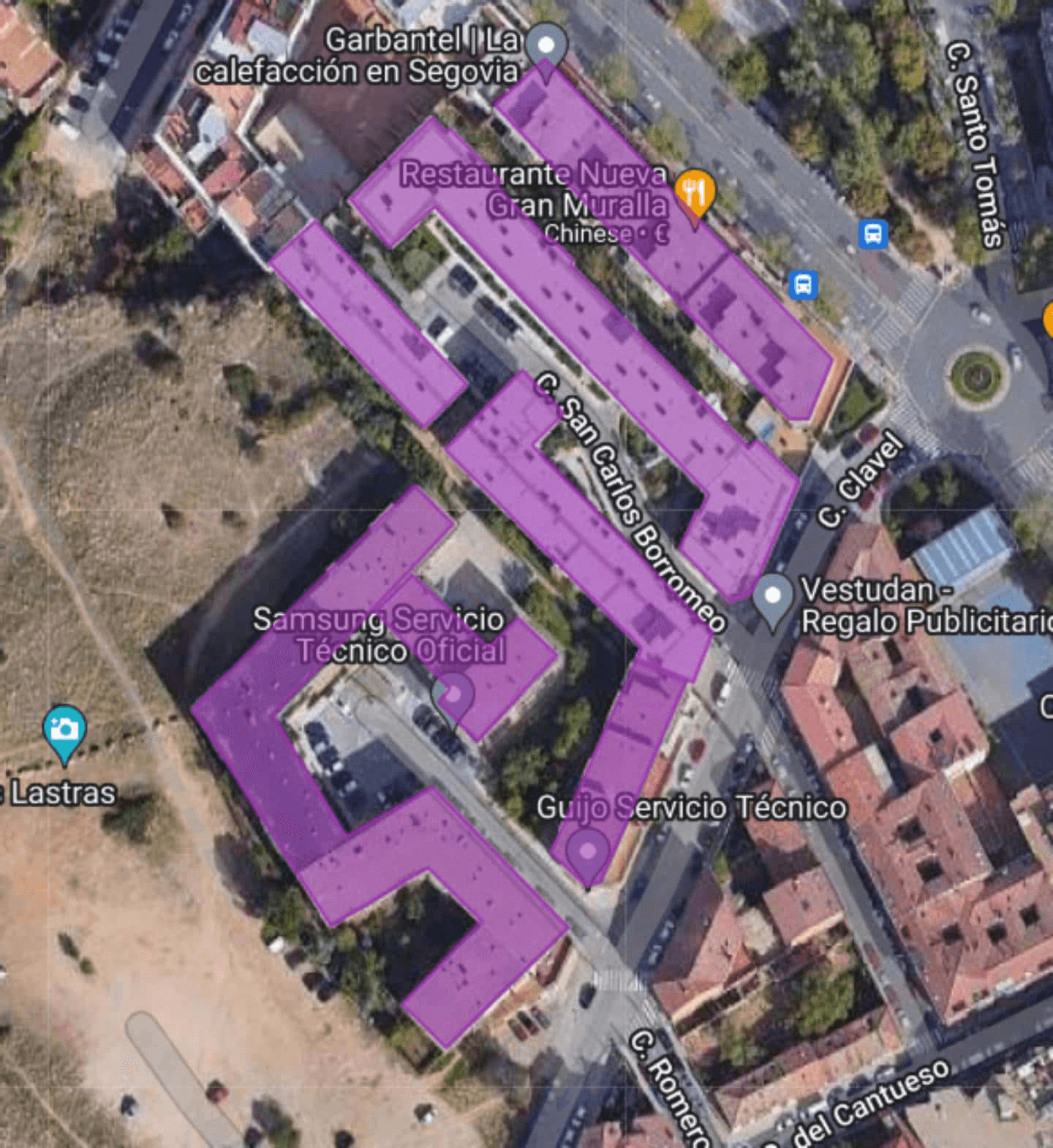
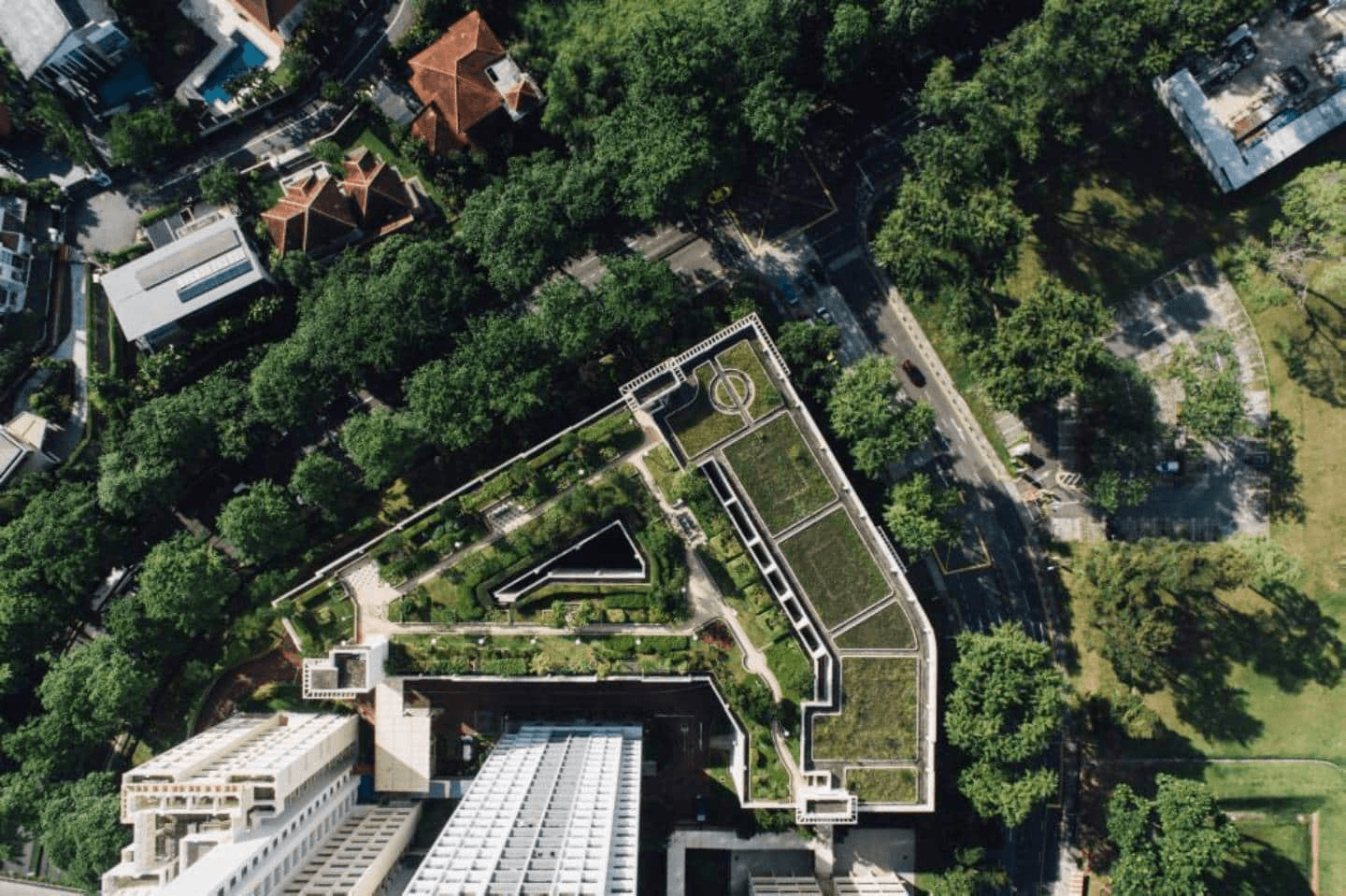
- Develop green roof gardens in the new parts of the city to absorb rainwater: Green garden roofs reduce stormwater runoff. Planted vegetation benefits from rainwater, resulting in no need for irrigation systems. Excess water can be used for sanitation systems.
Challenges and Solutions
Challenges and Solutions
Throughout this project, we faced a significant challenge during the process of quantifying the CO₂ absorption capacity of basalt bricks. The complexity of the calculations along with the theoretical data complicated the accuracy of our results. However, through critical analysis and the guidance of our instructors, we were able to refine our methodology and develop a deeper understanding of the underlying processes. Their input provided us with the clarity and direction we needed to navigate these challenges effectively, allowing us to create a more precise analysis.
Collaboration and Teamwork
Collaboration and Teamwork
Throughout the semester we were able to collaborate with other students in sessions where we were able to present our progress. In these follow-up sessions we were able to interact with other groups and exchange ideas which allowed us to refine and get a public opinion of our proposed solutions. In addition we obtained input from our professors, and their feedback helped us create solutions that could be applied to the real world and which integrated technology with environmental approaches for more effective and sustainable outcomes.
Learning and Takeaways
Learning and Takeaways
Through this project, we were able to apply theoretical concepts to real-world scenarios, enhancing our problem-solving abilities. Additionally, the structure of the assignment allowed us to deepen our understanding of green architecture, but also prepared us for possible future challenges in our careers.
Future Development
Future Development
Although this project was a theoretical exercise as part of an academic course, we would be thrilled to explore and implement these solutions in the future if the opportunity arises.
Attach pictures
Attach pictures
Additional information
Additional information
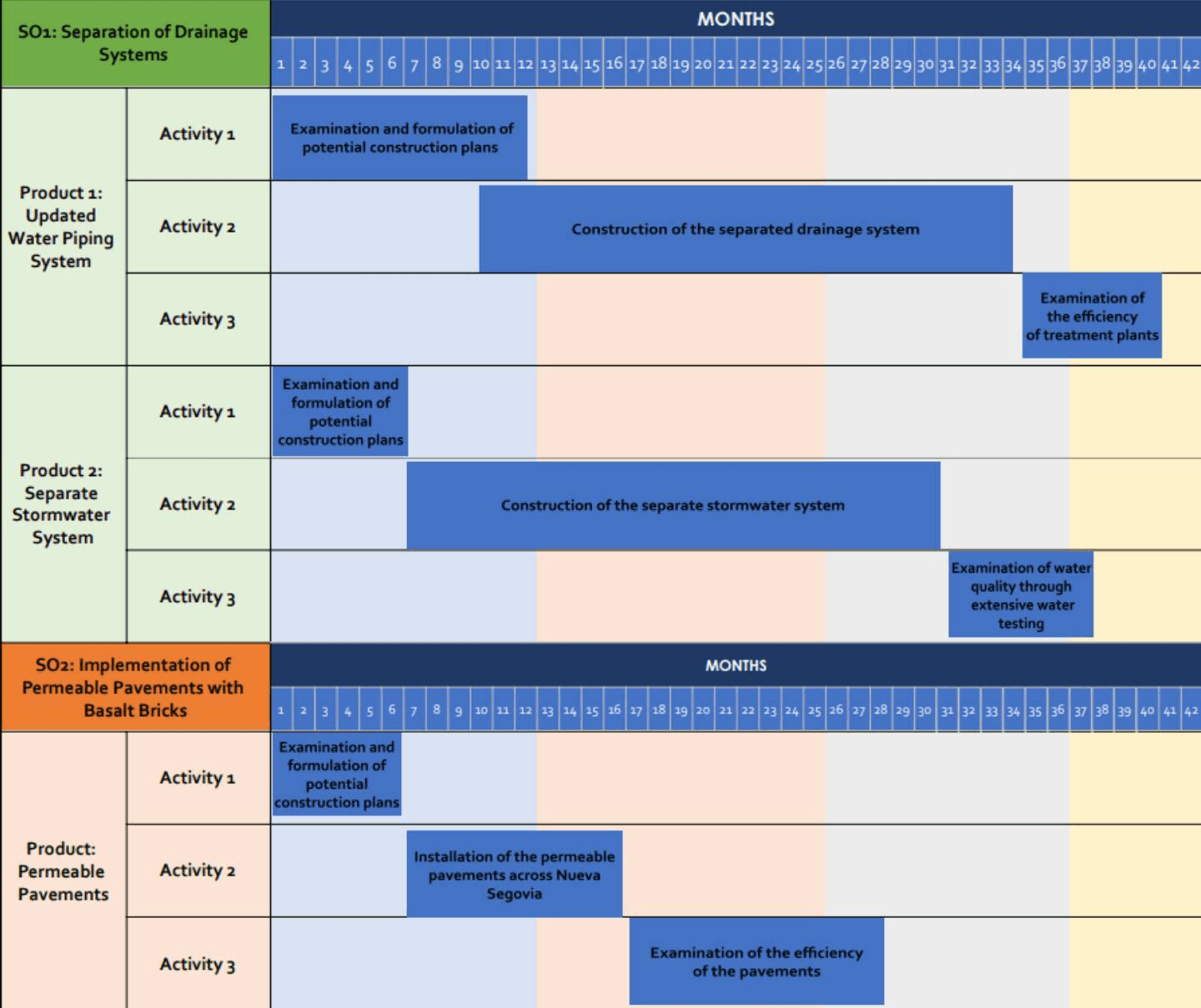
Project Schedule
Final Presentation Link
Final Presentation Link